

SANTA CLARA, Calif. —
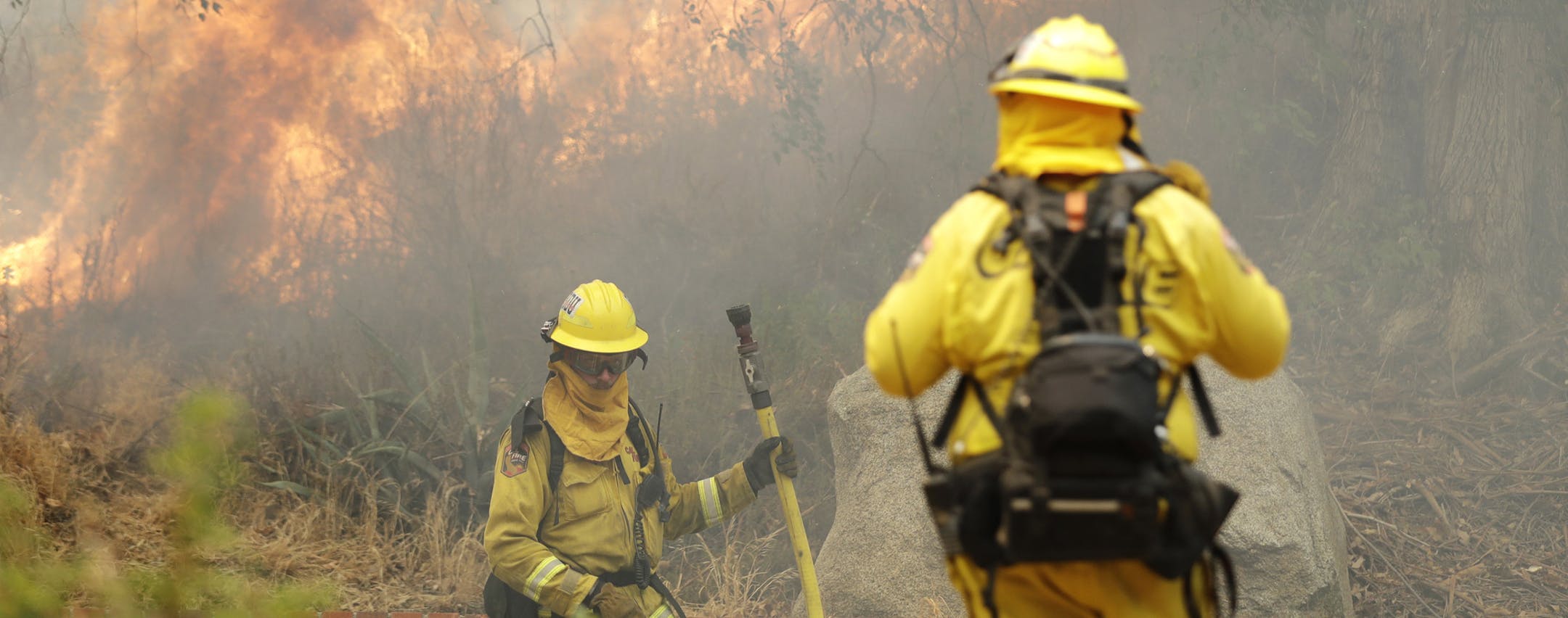
California is burning, but it is hardly alone. Up and down the western half of the country, 92 wildfires are currently raging in states as diverse as Alaska, Idaho and Arizona.
At the heart of the crisis, California is in the middle of another record-breaking fire season, with 820,000 acres across the state already ravaged — twice as many as by this point last year. Three of California's biggest recorded fires are burning right now.
We may be able to learn from California — a state that has larger populations, more extreme droughts, a history of intense forest management and greater susceptibility to warming than most.
Along with an intense fire season, 2018 is shaping up to be the fourth-warmest year on record, exceeded only by the three previous years.
In California, these warm years have been overlapping with the most intense drought in recorded history. Throughout the West, drought and heat have weakened trees and made them susceptible to disease and pests such as the pine beetle that devastates forests as far north as Canada.
Dead and weakened trees and excessive wood fuel from fire suppression have turned California into one giant tinderbox.
So can we blame those raging fires on human-induced climate change? Based on physical processes, elevated greenhouse gas concentrations make warmer temperatures, shifts in precipitation and climatic extremes much more likely. Although there is still much to learn about the way fires burn, higher temperatures and intense droughts facilitate extreme fire seasons.


