

Let's see, over the last 20 years the financial-services peddlers have given us junk bonds, derivative securities, the commercial real estate and tech-stock bubbles and now the subprime mortgage meltdown, to name just a few.
Each of these represented good niche products and investment strategies that made sense -- at first.
"But every time, every problem that I've seen has been because Wall Street found a way to take something to excess," said Ben Crabtree, the veteran local bank analyst with Stifel Nicolaus. "This is nothing new. But this time it's mortgages. And it is felt broadly by so many people."
This Wall Street crisis has literally hit home.
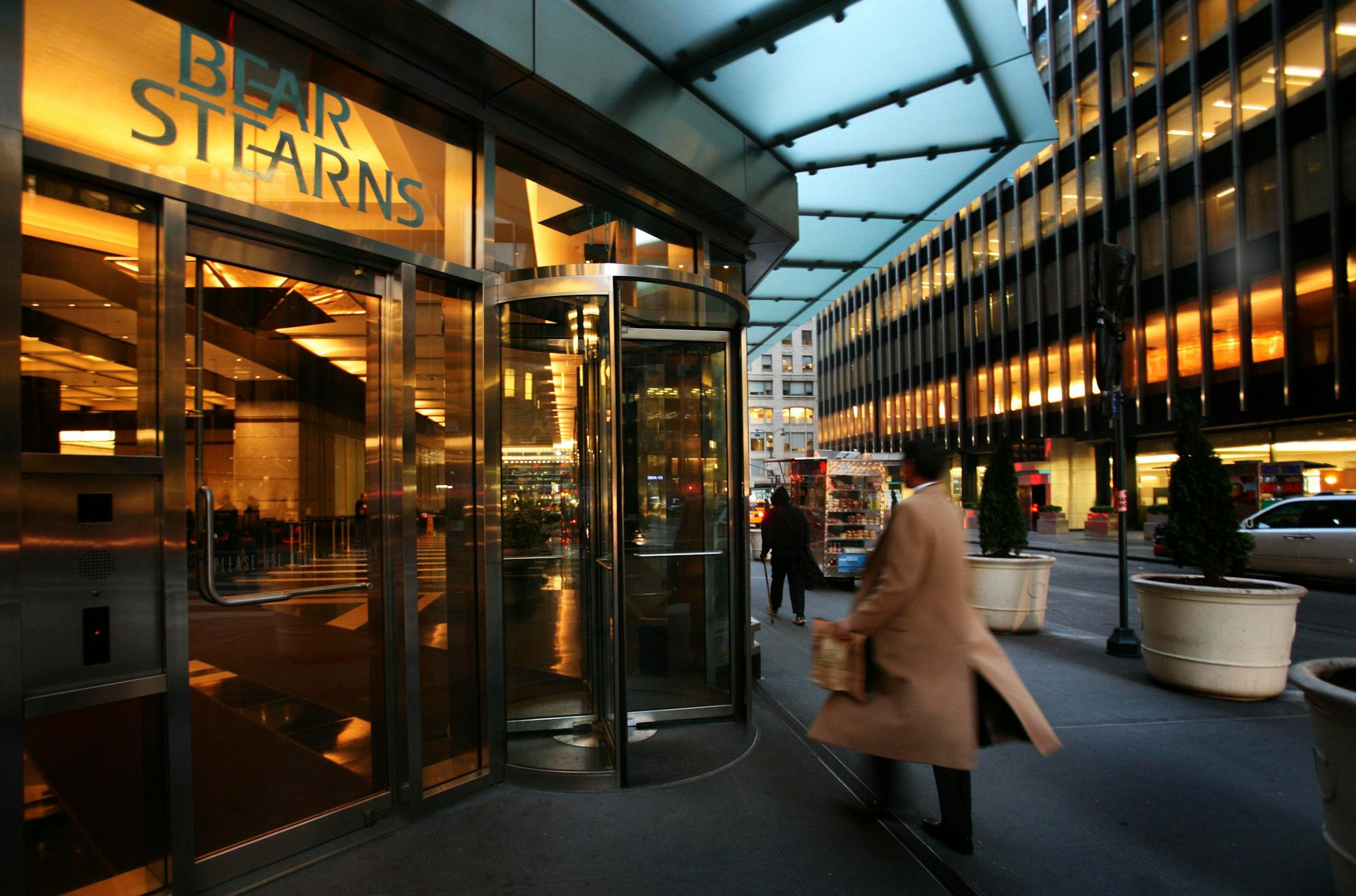
Over the weekend, the Federal Reserve orchestrated the $2-per-share stock sale of Bear Stearns Companies to J.P. Morgan Chase & Co. Bear Stearns, where former CEO James Cayne bagged $40 million in 2006 compensation, was one of the leading players in the subprime mortgage market.
Bear Stearns shareholders have seen the stock price fall from $170 per share last year. Many employees will lose jobs. They sure don't feel "bailed out" by the government.
But the Fed will essentially guarantee $30 billion of Bear Stearns most-illiquid investments.
And federal regulators have plainly said they will supply the cheap funds necessary to avoid a Wall Street meltdown. The Fed credit -- akin to the Fed's emergency lending "discount window" for banks -- will now allow the biggest investment banks access to this source of short-term cash.


