
Zebra mussel larvae discovered in Vermilion, Kabetogama lakes

All of Minnesota’s “Big 10″ fishing lakes are now infested.

The Minnesota Star Tribune
September 15, 2025 at 1:02AM
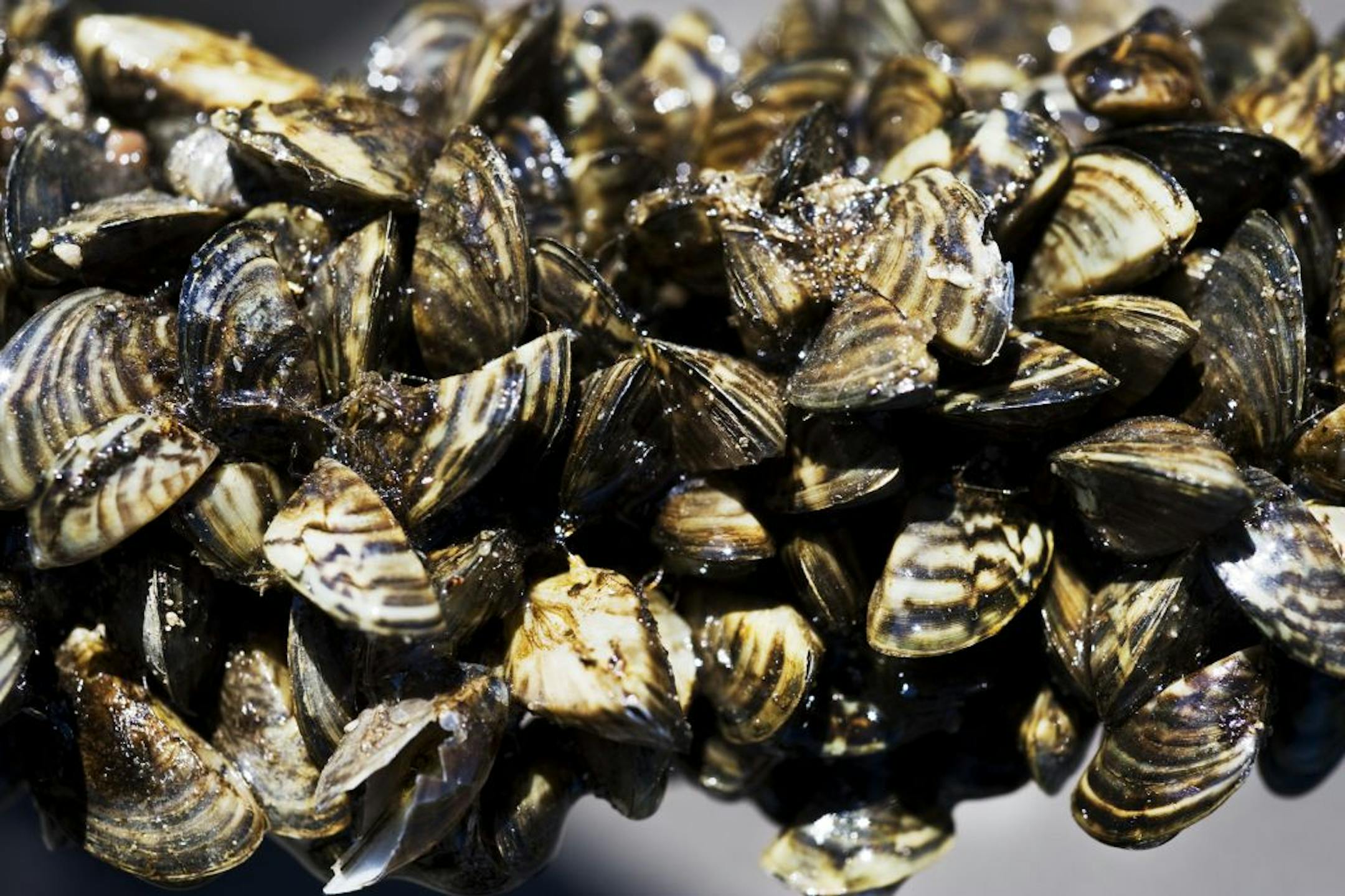
DNR officials showed this example of zebra mussels clustered on a small tree branch that had fallen into Rice Lake near Brainard.
DNR officials showed this example of zebra mussels clustered on a small tree branch that had fallen into Rice Lake near Brainard. (Dml - Star Tribune/The Minnesota Star Tribune)

For years, Lake Vermilion and Lake Kabetogama seemed special.

As Minnesota’s other large and heavily fished lakes fell one-by-one to zebra mussel infestations, the two sprawling wooded giants in northern St. Louis County remained clean. Many hoped that the unusually low amount of calcium in the two waters made it impossible for the devastating invasive mussels to grow their shells.

Those hopes were dashed recently when the Minnesota Department of Natural Resources said it found zebra mussel larvae in the two lakes, as well as in nearby Crane and Namakan lakes.

The discovery could upend ecosystems and change the way people fish, boat and swim in some of the largest and most widely used lakes in northern Minnesota. Local residents and guides are hopeful, though, that the lakes’ nutrient makeup will stave off devastation.

“It’s very sad,” said Jeff Forester, executive director of Minnesota Lakes and Rivers Advocates. “And it’s preventable.”

Zebra mussels are about fingernail-sized and typically spread when boaters unknowingly pick them up in infested waters and carry them to new lakes. They choke out other aquatic life and damage fish habitat.

With the addition of Vermilion and Kabetogama, the mussels have now spread to all 10 of Minnesota’s largest and most popular fishing destinations, including Lake of the Woods, Mille Lacs, Upper Red, Leech, Winnebigoshish, Cass, Pepin and Rainy lakes.

The “Big 10″ produce nearly half the walleye caught in the state by anglers each year. The lakes account for the majority of the about $2.4 billion spent annually on fishing in Minnesota.

There is still hope that the mussels will not be able to overrun and forever alter the water and aquatic life inside Vermilion and Kabetogama, as they have at other Minnesota lakes.

The calcium levels are low enough that the mussels may not be able to explode in number, said Richard Rezanka, an invasive species specialist for the DNR.

Rezanka spent Wednesday diving in Vermilion, searching small islands and outcrops to try to pinpoint where the mussels are breeding.

“We still don’t know, is it a really small isolated population?” he said. “Will they expand like they’re so famous for doing? It’s a big question mark. No crystal ball.”

Justin Chromy, a fishing guide on Lake Vermilion, points to other lakes in the Canadian Shield, where the waters are surrounded by exposed bedrock and little soil, such as Lake of the Woods and Rainy Lake.

Zebra mussels invaded those lakes several years ago but haven’t been able to cause too much damage to the fish and water.

“You can see in those lakes that they’ve cleared a bit, but not to the extreme extent where you see that gin-clear water in central Minnesota,” he said. “I don’t anticipate it’ll change the fishery too much in Vermilion.”

The Vermilion Lake Association has been one of the most active organizations in the state, working for decades to keep out mussels and other invaders, inspecting boats at launches and leading public education campaigns.

But with more than 15,000 boats launched into the lake each year from dozens of sites, it’s impossible to check them all.

“We tried awfully hard to keep them out,” said Terry Grossman, the association’s fisheries director.

Now the attention will turn to keeping more of the zebras from coming in.

The mussels primarily feed on tiny algae, continuously filtering the water. They’re so proficient at filtering algae they can turn water crystal clear and starve out small fish and native mussels, removing key parts of the food web.

They cluster together in beds by the tens of thousands, attaching themselves to any hard surface they can find, including rocks, wood, the shells of larger mussels, pipes, docks and swimming rafts. Their hard, sharp shells cut the feet of swimmers. They also cause expensive damage to water intake pipes and power plants.

Zebra mussels have caused extensive damage to lakes and rivers throughout the Midwest since they hitchhiked their way into the Great Lakes through the ballast water of ocean freighters in the 1980s.

They reached Minnesota by 1989, when they were discovered in Duluth Harbor. They’ve since been found in about 400 of the state’s lakes and wetlands as well as in hundreds of stretches of river.

University of Minnesota researchers found in 2024 that walleye and perch pulled from infested waters had 72% higher mercury concentrations as fish from lakes without zebra mussels. The researchers believe the invaders change lake chemistry in a way that alters pre-existing, inert mercury into a form that can be absorbed by bugs and other organisms in the food web.

Mercury is one of the big concerns for Forester, whose family has a cabin on Vermilion.

“When it gets to the point where you can’t eat the walleye out of the lakes, that’s just tragic,” he said.

The DNR did not find adult mussels in any of the four lakes, but the presence of the larvae shows that the invasive species has established itself and is reproducing.

The makeup of Vermilion and Kabetogama is similar to nearby Rainy Lake, where mussel larvae was discovered in 2021. Adult mussels still have not been found there.

about the writer

about the writer

Greg Stanley

Reporter

Greg Stanley is an environmental reporter for the Minnesota Star Tribune. He has previously covered water issues, development and politics in Florida's Everglades and in northern Illinois.

See Moreicon

More from Greater Minnesota

See More
card image
Leila Navidi/The Minnesota Star Tribune

Friday’s morning commute and weekend travel could be impacted by the snow.

card image
card image