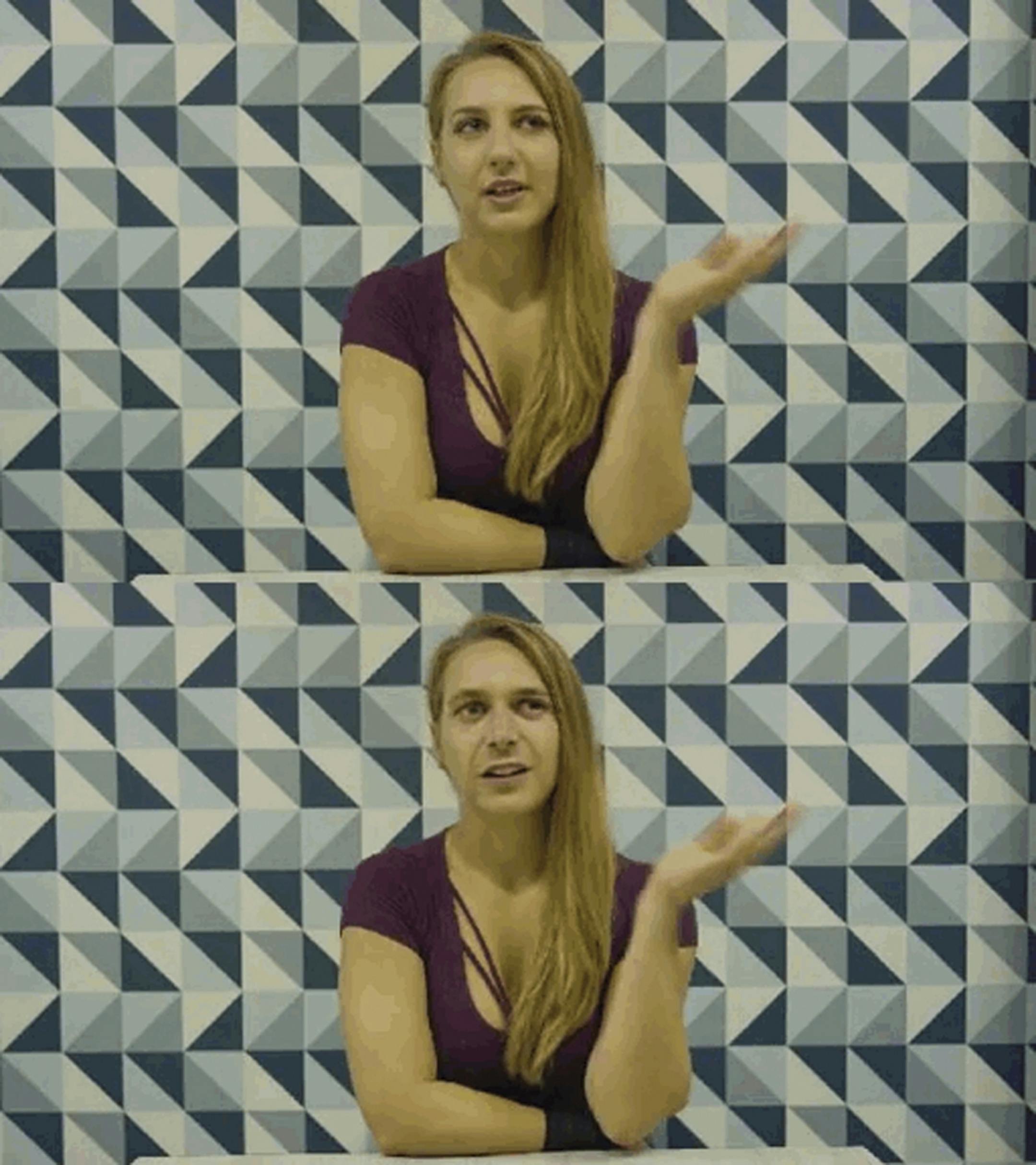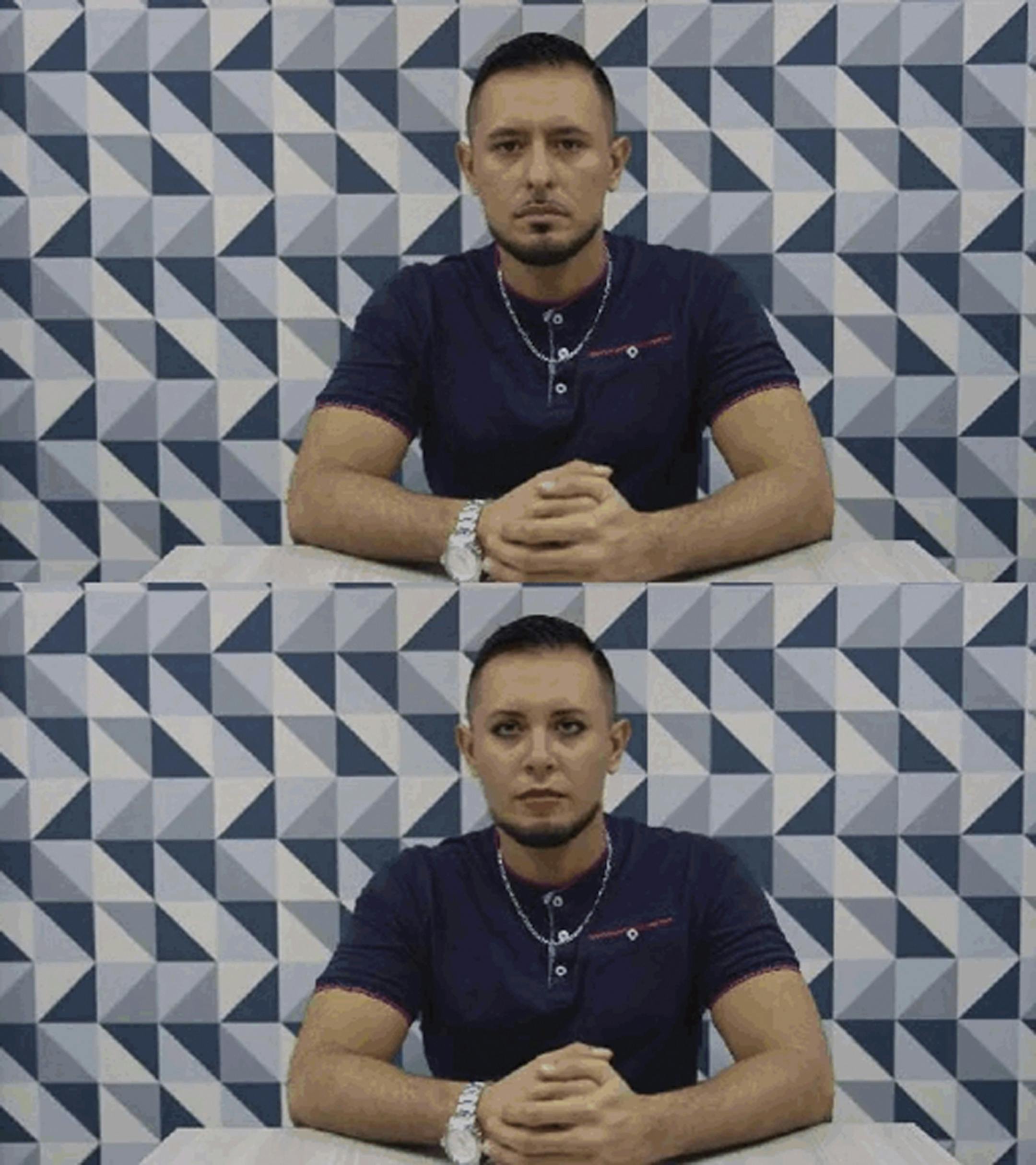
SAN FRANCISCO – Several months ago, Google hired dozens of actors to sit at a table, stand in a hallway and walk down a street while talking into a video camera.
Then the company's researchers, using a new kind of artificial intelligence software, swapped the faces of the actors. People who had been walking were suddenly at a table. The actors who had been in a hallway looked like they were on a street. Men's faces were put on women's bodies. Women's faces were put on men's bodies. In time, the researchers had created hundreds of so-called deepfake videos.
By creating these digitally manipulated videos, Google's scientists believe they are learning how to spot deepfakes, which researchers and lawmakers worry could become a new, insidious method for spreading disinformation in the lead-up to the 2020 presidential election.
For internet companies like Google, finding the tools to spot deepfakes has gained urgency.
Imagine a fake Sen. Elizabeth Warren, virtually indistinguishable from the real thing, getting into a fistfight in a doctored video. Or a fake President Donald Trump doing the same. The technology capable of that trickery is edging closer to reality.
"Even with current technology, it is hard for some people to tell what is real and what is not," said Subbarao Kambhampati, a professor of computer science at Arizona State University who is among the academics partnering with Facebook on its deepfake research.
Deepfakes — a term that generally describes videos doctored with cutting-edge artificial intelligence — have already challenged our assumptions about what is real and what is not.
In recent months, video evidence was at the center of prominent incidents in Brazil, Gabon in Central Africa and China. Each was colored by the same question: Is the video real? The Gabonese president, for example, was out of the country for medical care, and his government released a so-called proof-of-life video. Opponents claimed it had been faked.