Believe it: The Twin Cities housing market is firmly in recovery.
An improving economy and a lower jobless rate have propelled the region into its third consecutive year of gains in sales and home prices. The median price of all transactions last year was 28 percent higher than when the market hit bottom in 2011.
"The recovery is real, and it's happening," said Emily Green, president of the Minneapolis Area Association of Realtors.
"It'll take a long time to get back to a true, normal market, but buyers aren't nervous like they were."
Yet, the recovery has been noticeably uneven in some areas. In several markets, mostly in Minneapolis, sellers are fetching far more than they would have at the peak of the market, while homeowners in vast swaths of the region are still years from being whole after losing billions of dollars in equity that evaporated during the downturn.
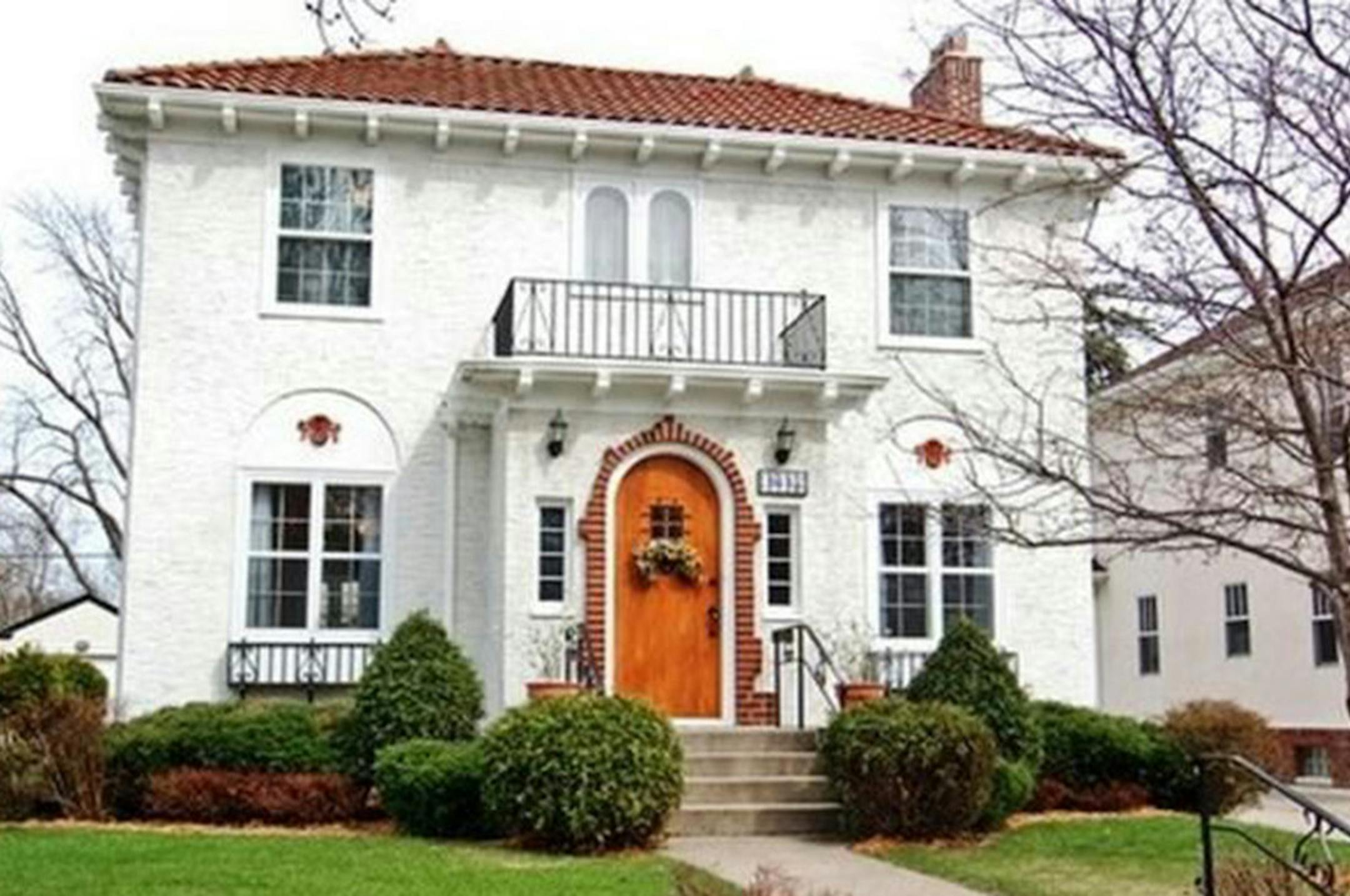
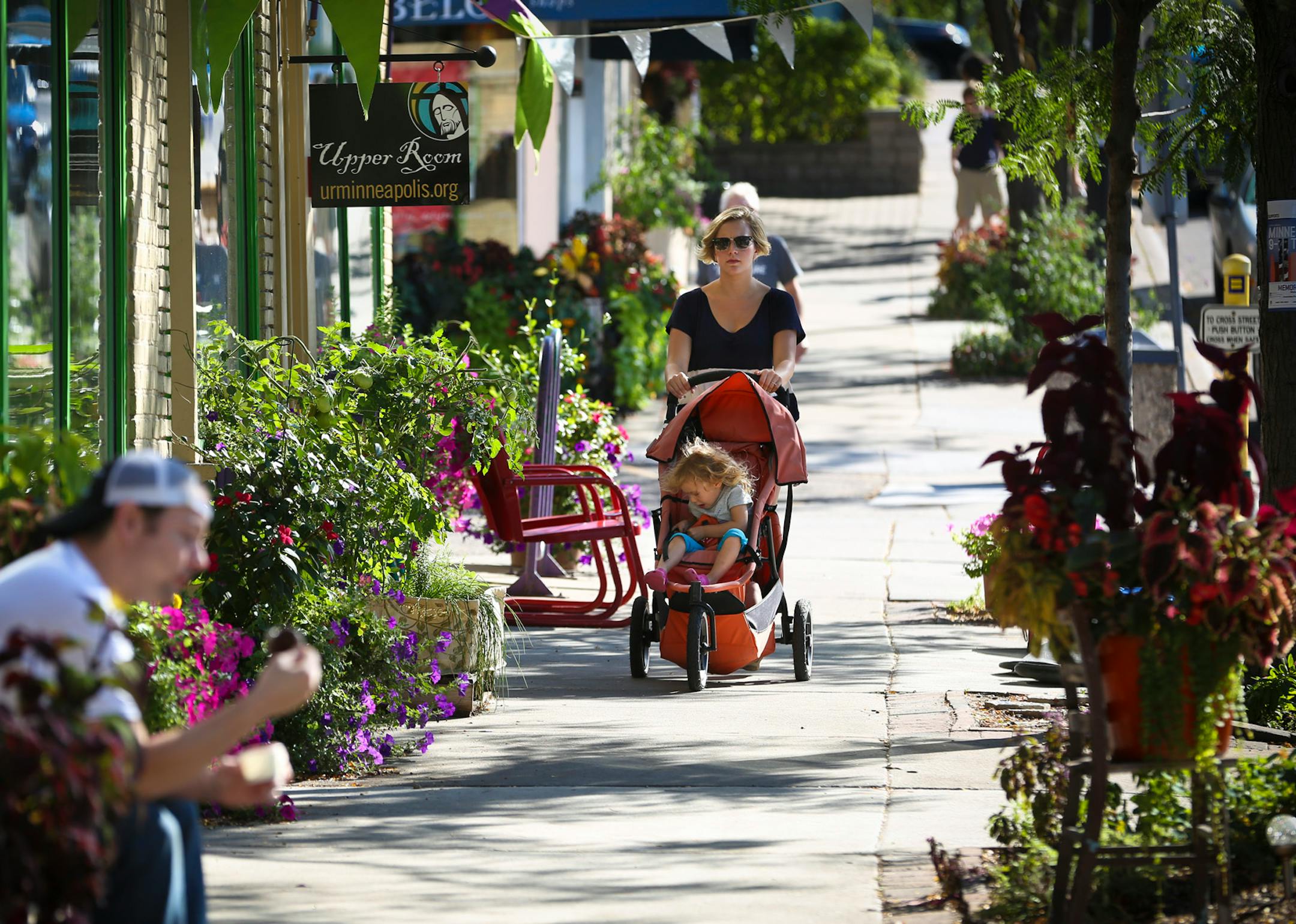
In the Linden Hills neighborhood of south Minneapolis, the median price of all closings last year was $415,000 — an astonishing 19 percent higher than the peak in 2007. But just a few miles north, prices in the Jordan neighborhood, while recovering, are still nearly 60 percent below their peak in 2005. And in dozens of suburbs from Anoka to Wayzata, prices are still 25 to more than 60 percent below precrash levels.
Despite such disparities, price gains are expected to continue into 2014, though not with the kind of momentum that defined the first two years of recovery. The consensus among experts ranging from government economists to industry analysts is that annual price gains will land in the 4 to 7 percent range, depending on the health of the economy and the direction of mortgage interest rates.
"We've seen the housing market swing from a buyer's market two years ago to a seller's market today," said Herb Tousley, director of real estate programs at the Shenehon Center for Real Estate at the University of St. Thomas' Opus College of Business. "In the maturing recovery of 2014, median prices will continue to increase."