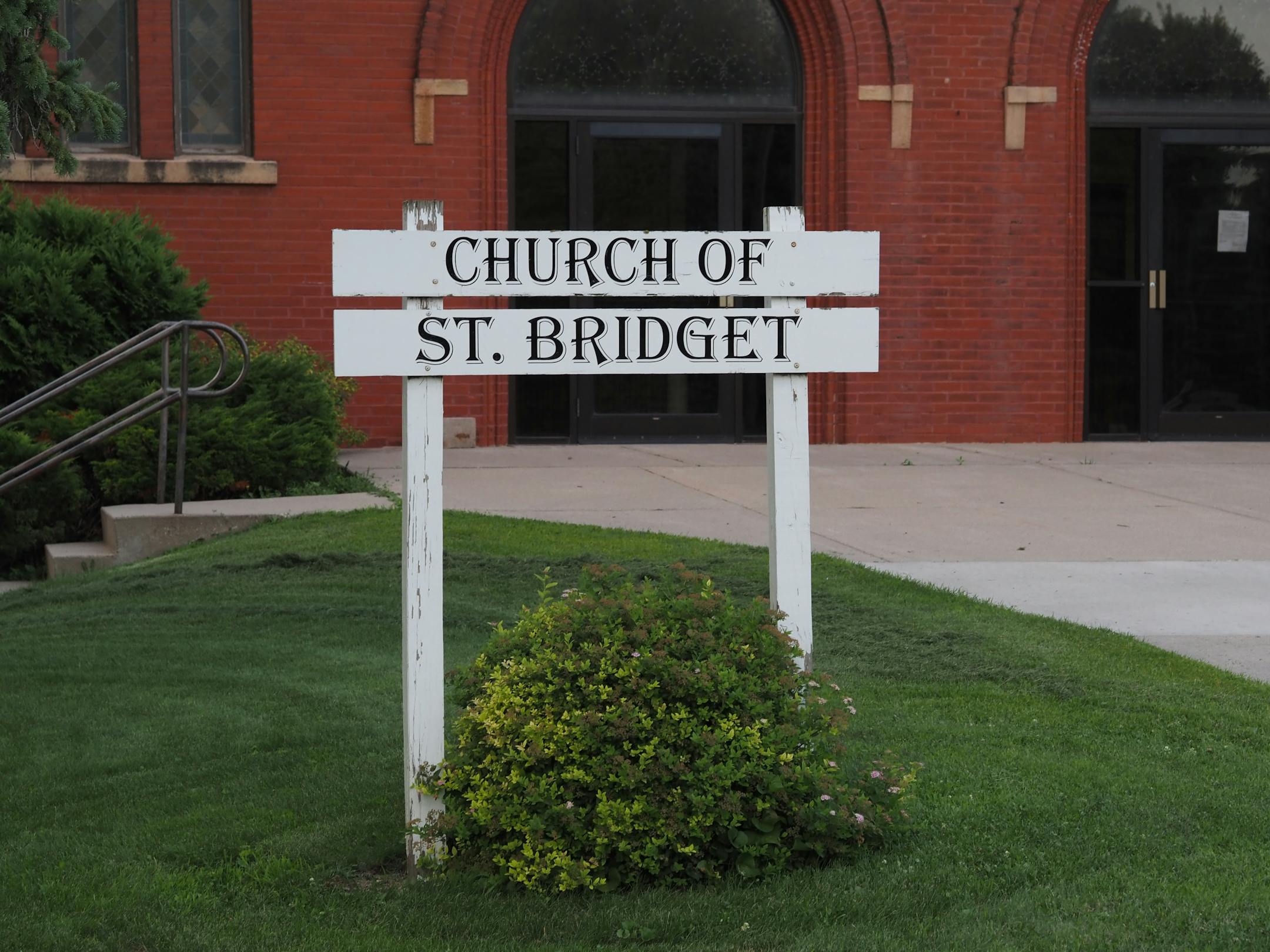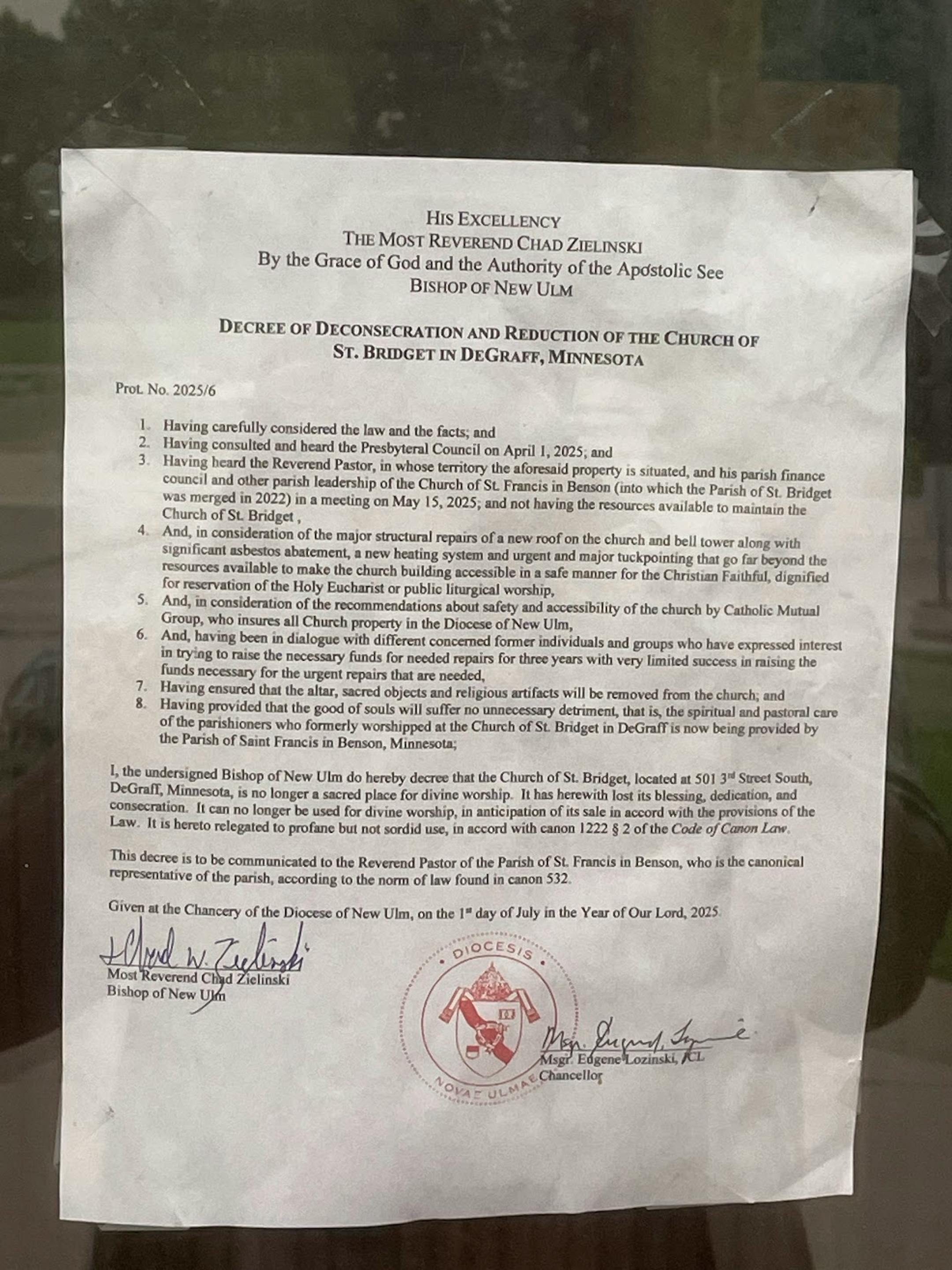
DE GRAFF, MINN. – It was tacked to the inside of the glass doors of St. Bridget’s Catholic Church, a single piece of paper declaring that the 124-year-old building was “no longer a sacred place for divine worship,” in anticipation of its sale.
The unassuming letter, issued July 1 by the Diocese of New Ulm, sparked a frantic, last-minute scramble by a small group of parishioners fighting to save St. Bridget and keep it open as a Catholic church.
“This was the very last block between the church and the bulldozer,” said Brody Hale, a 39-year-old attorney and canon law consultant volunteering for the parishioners in this small town about 2½ hours due west of the Twin Cities.
In the race against a 10-day appeal window, Hale worked from 4 a.m. until nearly midnight drafting a petition to revoke the diocese’s decision. At the same time, Jean Byrne, a former parishioner who grew up in De Graff, rallied 25 people to sign on before driving to New Ulm on July 10 to deliver the appeal, mere hours before the deadline.
“I will do everything to save this church,” Byrne said.
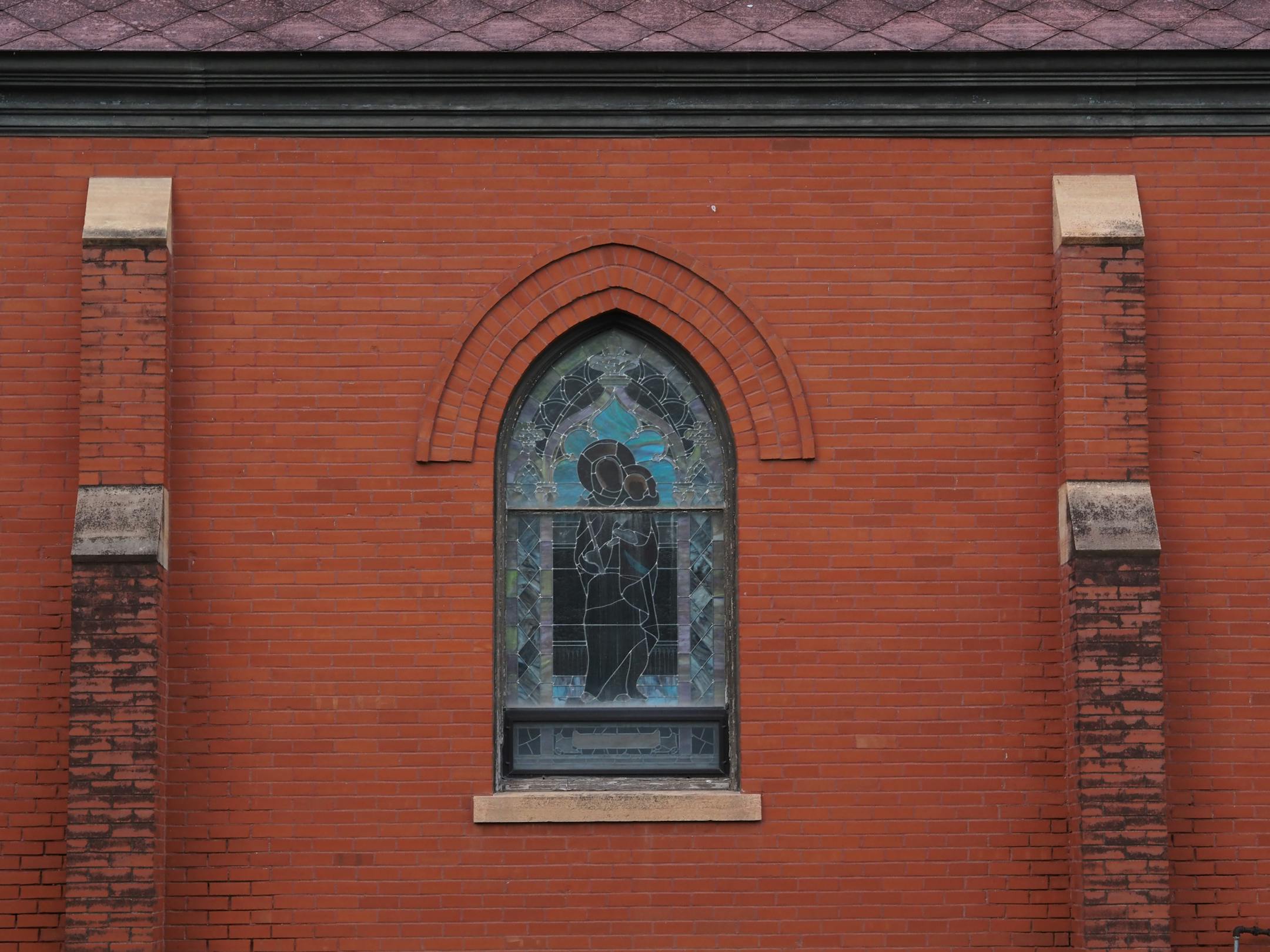
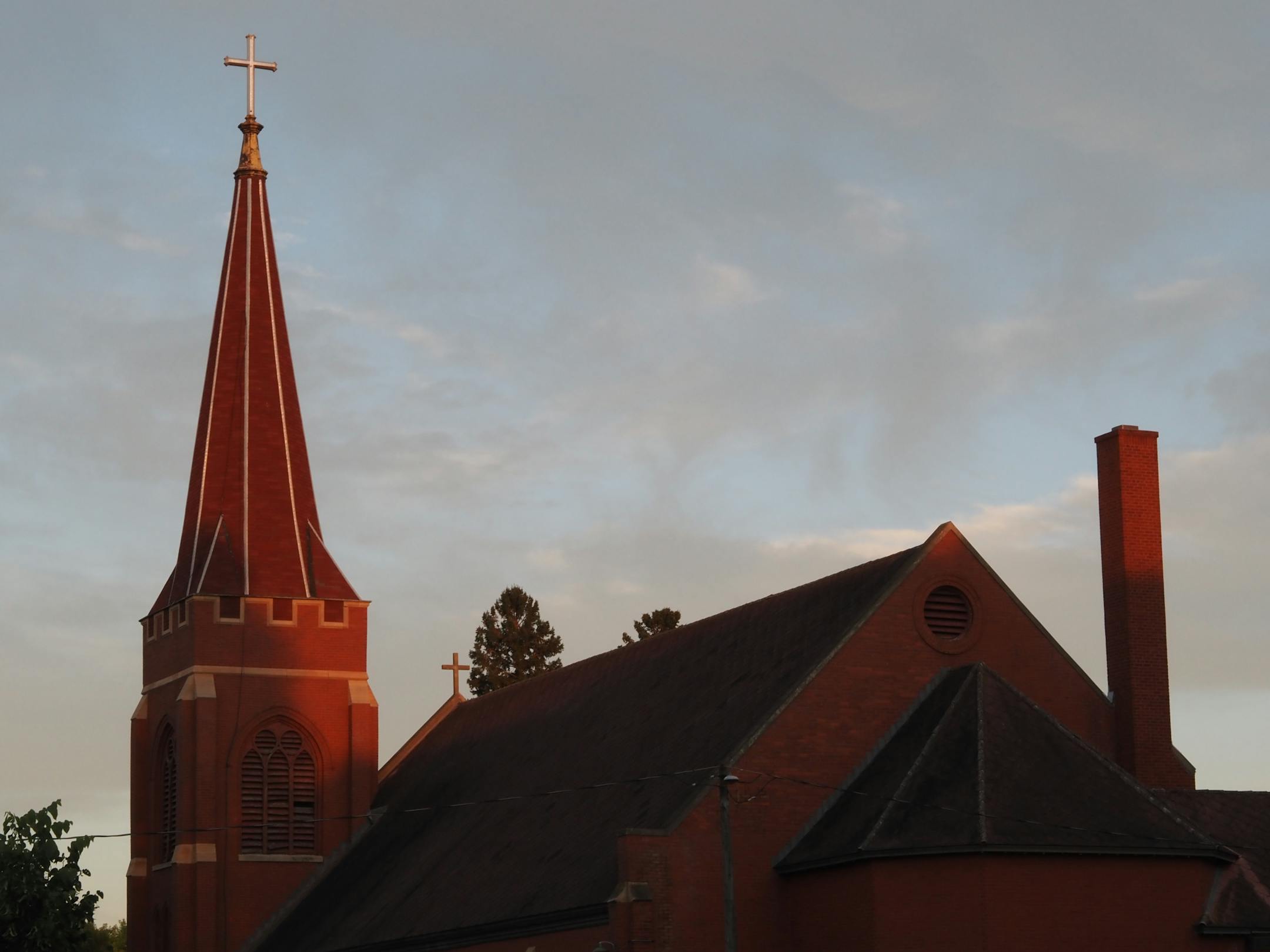
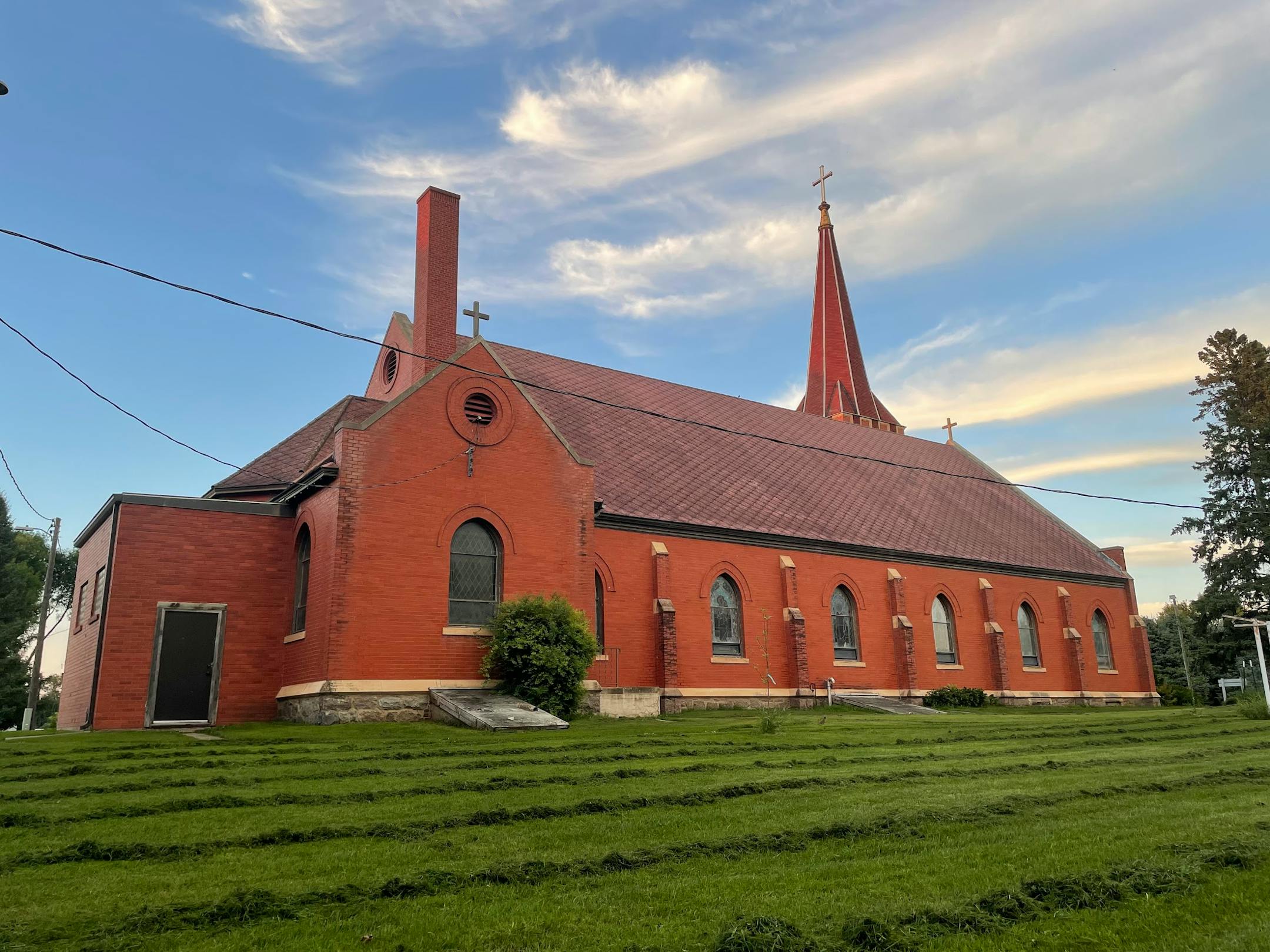
For this town with fewer than 100 residents, the church casts a monumental shadow. Its entry in the National Register of Historic Places notes that the red brick building is “unusually large for a town like De Graff.” The Gothic Revival church could hold 350, and the cross at the top of the 3½-story spire towers over the surrounding cornfields.
But the church has been mostly empty for years. In 2022, the De Graff parish merged with one in Benson, about 10 minutes away.
Like other churches in rural communities across Minnesota, St. Bridget’s in De Graff faces the demographic time bomb of a declining and aging population.