
Injunction's heat led to deal for Medtronic and Edwards

Doctors feared that patent dispute would keep the latest heart valve technology from their patients.

May 21, 2014 at 1:59AM
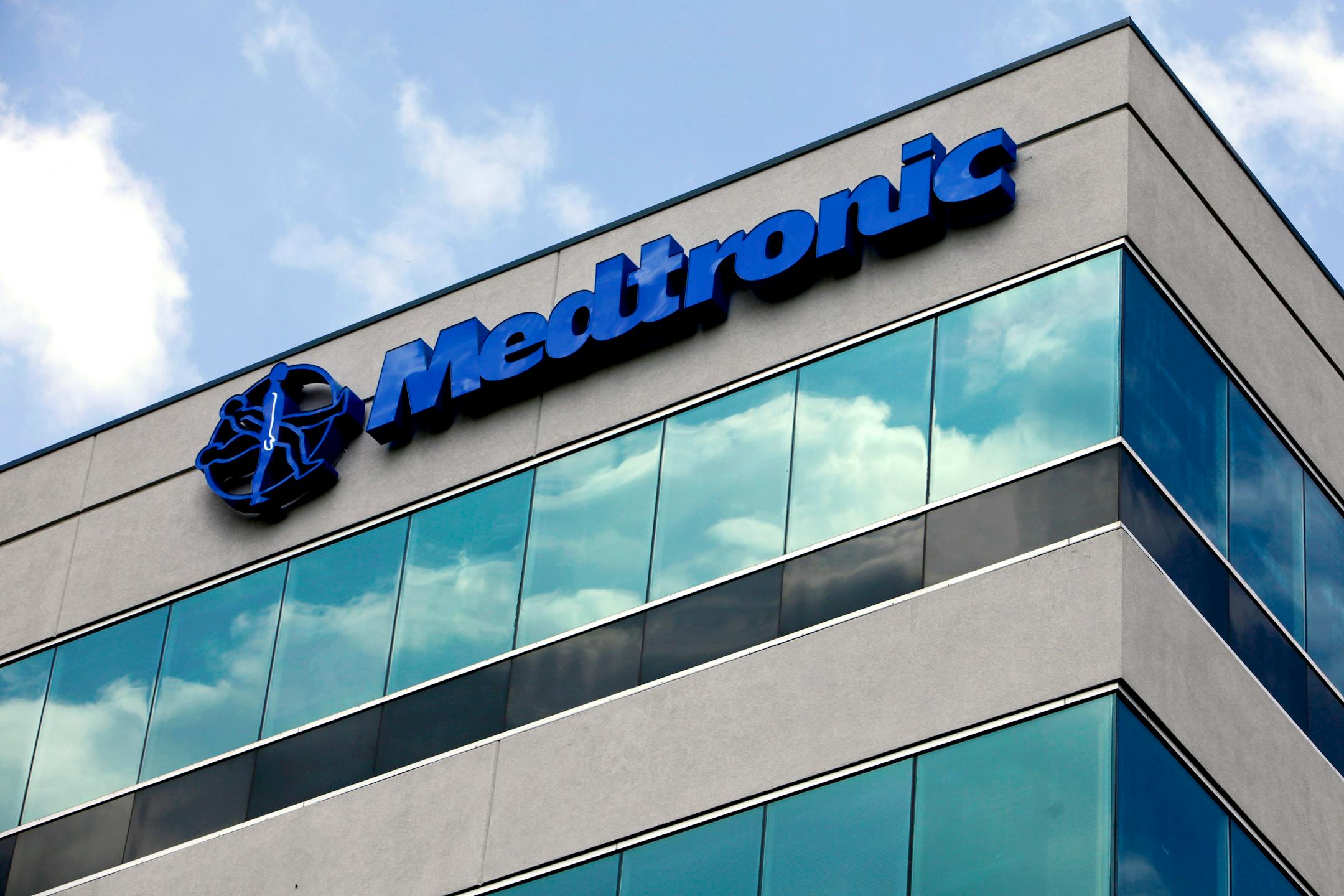
Signage is displayed outside a Medtronic Inc. facility in Memphis, Tenn.
Medtronic posted a solid jump in its fiscal fourth-quarter results, but a charge related to settling a patent dispute cut its net profit by 54%. (Evan Ramstad — Bloomberg/The Minnesota Star Tribune)

Medtronic Inc. and Edwards Lifesciences Corp. settled a six-year patent dispute over heart valves on Tuesday after doctors turned angry last month when a court ruling threatened to keep the latest products from their patients.

Medtronic will pay Edwards more than $1.1 billion, including $750 million right away, under a deal that keeps its CoreValve system available to U.S. doctors and patients. The Fridley-based company reported a drop in fiscal fourth-quarter profit as it accounted for the payment.

The settlement removes a major uncertainty for a heart valve replacement that can be placed in a patient through a catheter inserted in the leg, a less invasive and less dangerous procedure than open-heart surgery that has been typical for heart valves.

Edwards and Medtronic have received U.S. government approval to distribute the products, known as transcatheter heart valves. But the patent dispute threatened to disrupt the relatively nascent business last month, when a federal judge in Delaware issued an injunction to halt distribution of Medtronic's CoreValve. The decision marked Edwards' latest victory in a case that had sprawled over several countries.

The prospect of an injunction sent doctors scrambling to get the Medtronic device and schedule surgeries before it took effect. News stories appeared in which patients' relatives complained that the health of loved ones was being affected by a legal battle.

An appeals court issued an emergency stay while the two companies pressed on with the case. But the publicity and the outcry from doctors pressured the companies to seek a resolution.

Just after winning the injunction, Edwards chief executive Michael Mussallem made public a letter to doctors saying the company didn't want to keep Medtronic's device out of the market and noting "multiple offers" it made to Medtronic to settle. "Clinicians and patients have been placed in the middle of the legal issues regarding CoreValve," he said.

On Tuesday, executives at both firms made clear that the brush with an injunction drove them to settle.

"Edwards has looked forward to resolving these cases for a long time, and more recent court activity prompted a productive dialogue that led to this agreement," Mussallem said in a new letter to doctors.

Meanwhile, John Liddicoat, president of Medtronic's structural heart business, said the company was pleased that it can continue to provide CoreValve "without the overhang of any potential injunction or additional damages."

In addition to the upfront payment, Medtronic will pay a royalty of at least $40 million a year to Edwards through 2022. The companies will cross-license each other's patents, and neither admitted infringement on the other.

Edwards filed the original suit in 2008 when CoreValve was an independent company. Medtronic took over the defense after acquiring CoreValve in 2009.

More countersuits followed as the two companies simultaneously pushed to win regulatory approval for their transcatheter heart valves in several countries. An attempt by Medtronic last year to appeal one of the patent cases to the Supreme Court failed when the court declined to hear it.

In addition to the accounting for the payment to Edwards, Medtronic's latest financial results were also weighed down by an $89 million after-tax charge for funds it set aside to settle litigation related to its Infuse bone graft product. The company last week began to settle the first of several thousand claims that doctors used the bone graft in ways that weren't approved by regulators.

Including the charges, Medtronic's net profit was $448 million, or 44 cents a diluted share, for the quarter that ended April 25. Excluding them, Medtronic earned $1.14 billion, or $1.12 a diluted share, in line with analysts' expectations.

Evan Ramstad • 612-673-4241

about the writer

about the writer

Evan Ramstad

Columnist

Evan Ramstad is a Star Tribune business columnist.

See Moreicon

More from Business

See More
Ten skids of loose peanut butter crackers wait to go to the land fill Saturday Feb. 7, 2009 as Gleaners Food Bank destroys products containing peanut butter as part of the nation wide recall of foods containing Salmonella tainted products from Peanut Corp. of America . (AP Photo/The Indianapolis Star,Michelle Pemberton)
The Minnesota Star Tribune

Gold Star Distribution, which supplies several Halal markets in the Twin Cities, is voluntarily recalling a list of food and merchandise products stretching 44 pages and including products from candy to medicine.

card image
card image