

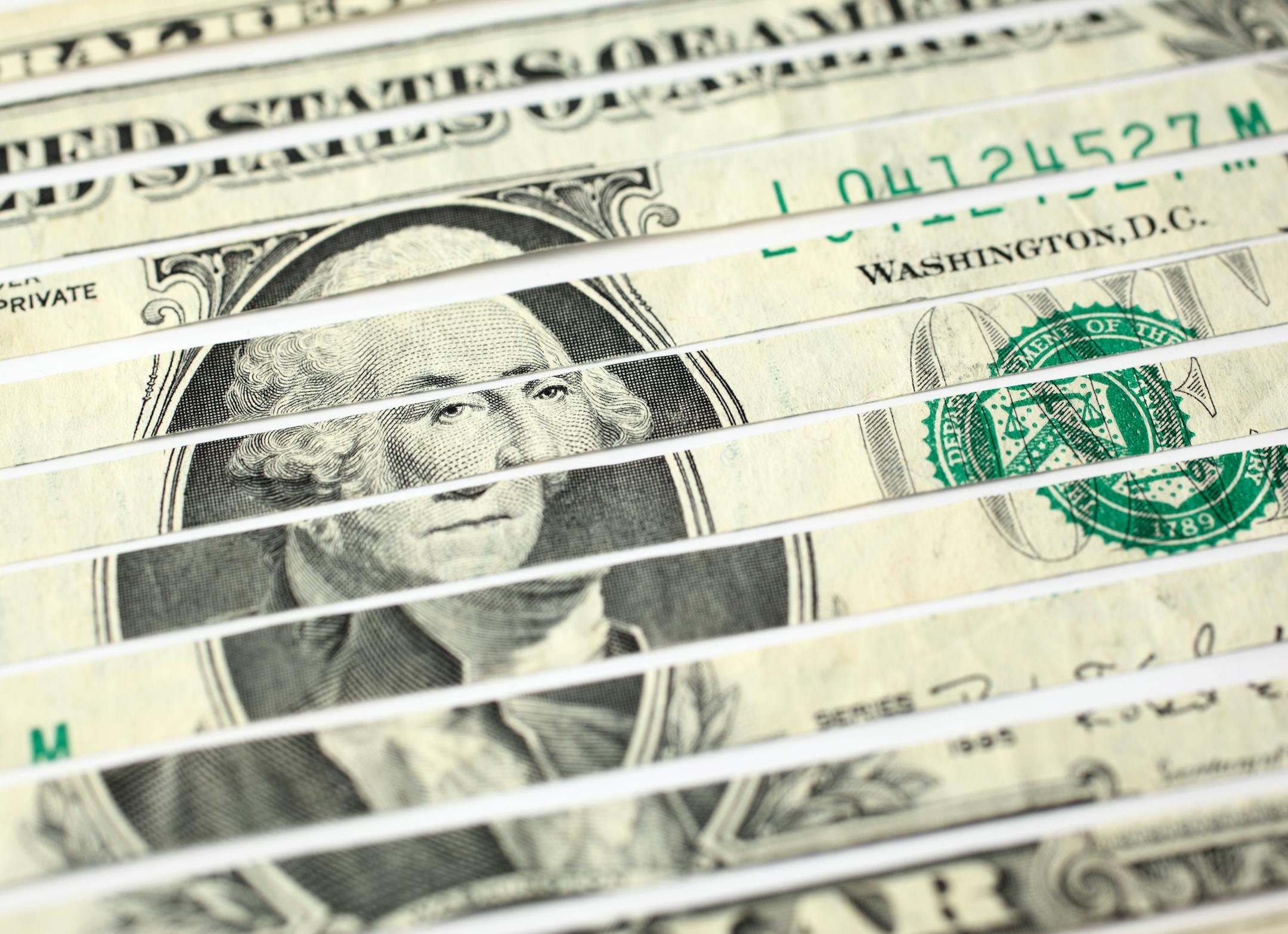
Inflation is a bad thing that make things more expensive, right? Some of us recall the runaway inflation of the late 1970s and early 1980s when the Fed Funds Rate was 18 percent and growth dropped to 0.2 percent. Not fun.
So why is the Federal Reserve — in charge of managing the country's currency and value thereof — trying to create inflation? It's called inflation targeting and it matters to your money.
This Fed strategy is also scaring the daylights out of investors in stocks who have driven the market lower. They are worried that strong jobs numbers and a rise in personal income are steps to increased inflation and a subsequent host of other economic bad events including higher interest rates and slower growth.
What is inflation?
Inflation is a sustained increase in the general price level of goods and services in an economy over a period of time. The key phrase here is "goods and services," which translates into "the things I buy." Spoiler alert: not all of the "things I buy" have the same rate of inflation.
When the price level rises (i.e., when inflation is present), each unit of currency — in our case the U.S. dollar — buys fewer goods and services. Stated another way, the same amount of goods and services (the things I buy) costs more units of currency (i.e., dollars). But if my income is growing at the same time, who cares if the things I buy cost more?
It's nominally very real
Two key concepts that you must know when thinking about inflation are that its effects are "nominal" and "real." "Real" values (the cost of producing a widget or your monthly salary, for example) have been adjusted for inflation, while "nominal" values have not. So, if your annual income increased by 5 percent in a given year (nominal) and the inflation rate for that same year was 5 percent, how much real income increase did you experience? Nada.
The evil that you know
So why does the Federal Reserve actually try to create a situation where you need to continuously earn more money to pay for continuously higher prices for the things you buy? The main reason is that inflation is better than deflation. Deflation is when the general level of prices is falling.
This may sound like a good thing, but the reason that prices are falling is usually because there is a lack of demand for a given product driven by a lack of money to pay for the product driven by a lack of jobs to make the money to pay for the product. Also, deflation can be very difficult to cure (just ask Japan) because it creates an expectation that future prices will be lower, which motivates buyers to wait for those lower prices.


