

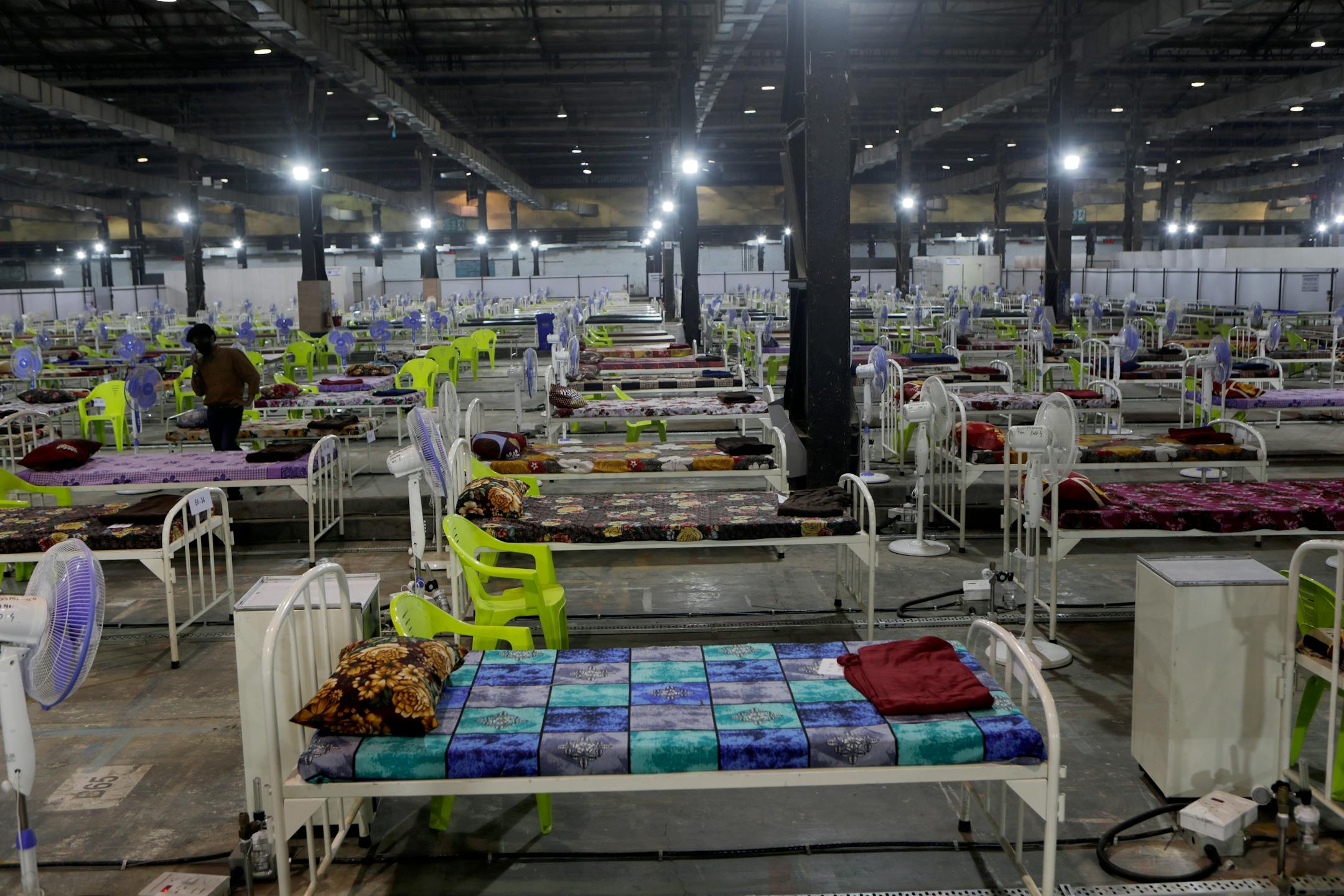
As America beats back COVID-19 with vaccines, the catastrophe in India reminds us that much of the world's population has yet to receive a shot.
Coping with a virulent second wave of the virus, desperate Indians plead for oxygen tanks for their loved ones. There are more than 300,000 new cases daily, but less than 4% of nearly 1.4 billion people have gotten their first jab.
India has rightly become a tragic reminder that the United States and the developed world must do much more to help citizens of poorer nations get vaccinated. The urgency is not just humanitarian but also medical — to prevent new variants from spreading here.
So the surprise announcement Wednesday that the Biden administration will support waiving patent protections for coronavirus vaccines — a development cheered by many Democratic legislators and health activists — might seem to some like an appropriate response to the suffering in India. Proponents of this argue that many poorer countries will now be able to manufacture their own generic vaccines.
Sadly, the Indian case offers a very different lesson. Waiving patent protections for COVID-19 vaccines will do little in the short term to help Indians obtain mega-millions of doses. As for helping other countries, this hot-button issue distracts from what the U.S. must do ASAP to help get vaccines to the world.
Let me state up front that this is not a column about supporting or opposing Big Pharma. It is an effort to avoid the trap of assuming that if a patent waiver angers pharmaceutical companies that were aided with billions of U.S. taxpayer dollars, this automatically means it will aid poorer countries.
I'm looking past this symbolic gesture at the facts on the ground.
So back to the lessons from India.


