

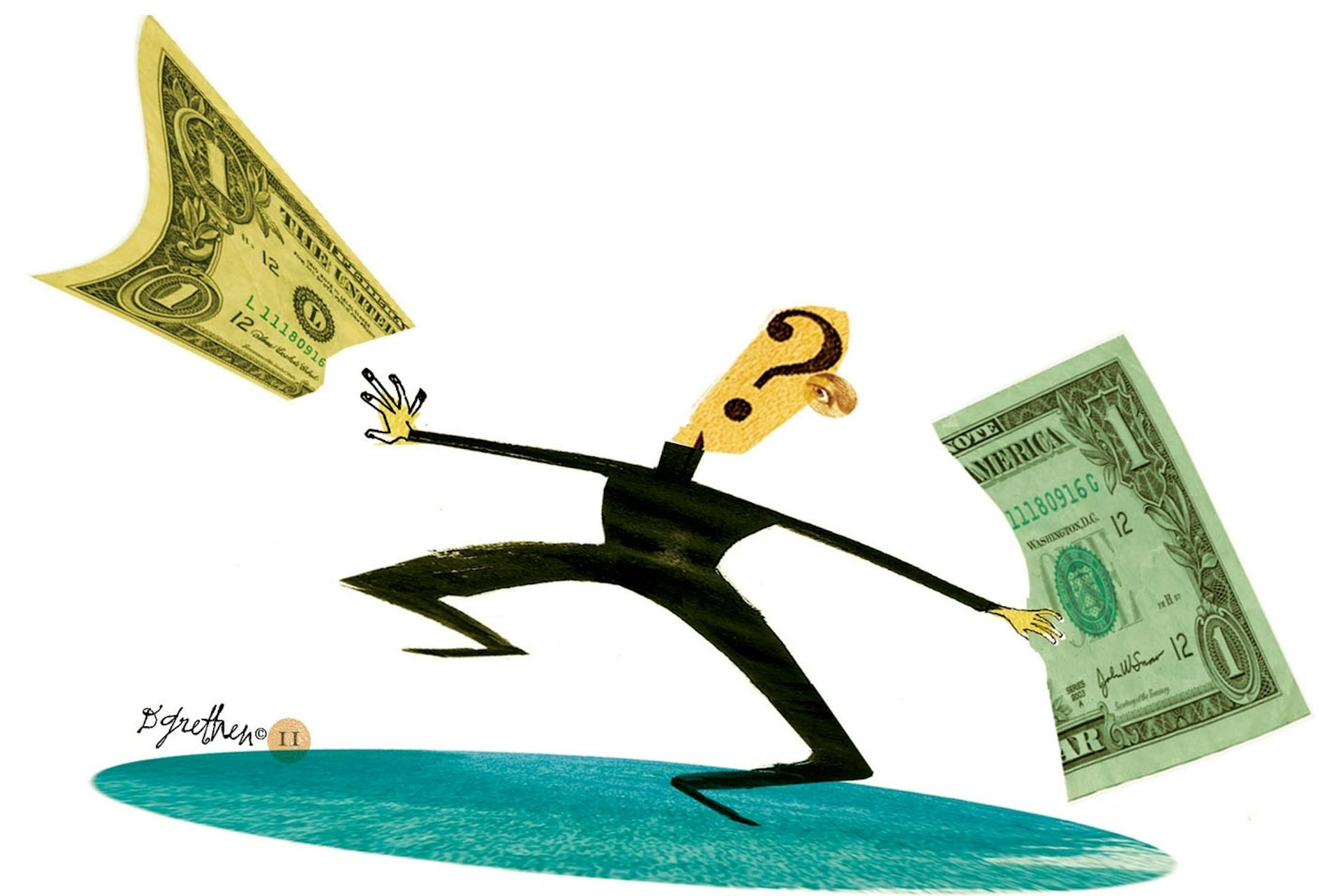
Democrats in the United States have decided to make inequality a central issue in next year's elections. I'd question whether that's good politics.
Even in hard times, American voters aren't easily persuaded by appeals to class interests.
Yet even setting electoral tactics aside, a focus on inequality seems unlikely to lead to better policy, especially if you look at how current U.S. policy choices stack up against those of other advanced industrialized economies.
The reason is that inequality isn't one issue but a writhing bundle of issues. Unpack it and you see there's no easy remedy. It demands more thought and humility than most politicians can muster.
For the American left, the question comes down to the incomes of "the 1 percent" and their taxes.
Even if, like me, you think that a rapidly widening gap between rich and poor calls for a response and that progressive taxes are ethically correct, this obsession with the peak of the income pyramid is much too simple-minded.
Growth in the highest U.S. incomes has been stunning, to be sure. A recent study by the Congressional Budget Office found that the after-tax incomes of the top 1 percent of U.S. households almost quadrupled in real terms between 1979 and 2007.
The income of the median household -- again after taxes and transfers, and adjusted for inflation -- went up just 35 percent. On the same basis, incomes of the lowest 20 percent of households managed an increase of only 18 percent.


