

More than a continent separates Hollywood and the Beltway.
In Los Angeles, where Academy Award nominations were announced Thursday and the Golden Globe Awards take place Sunday, the focus is on red carpets.
In Washington, the focus is on "black sites" and other dank detention centers, scenes of cinematic re-creations of CIA torture in "Zero Dark Thirty," the most controversial Oscar and Golden Globe nominee.
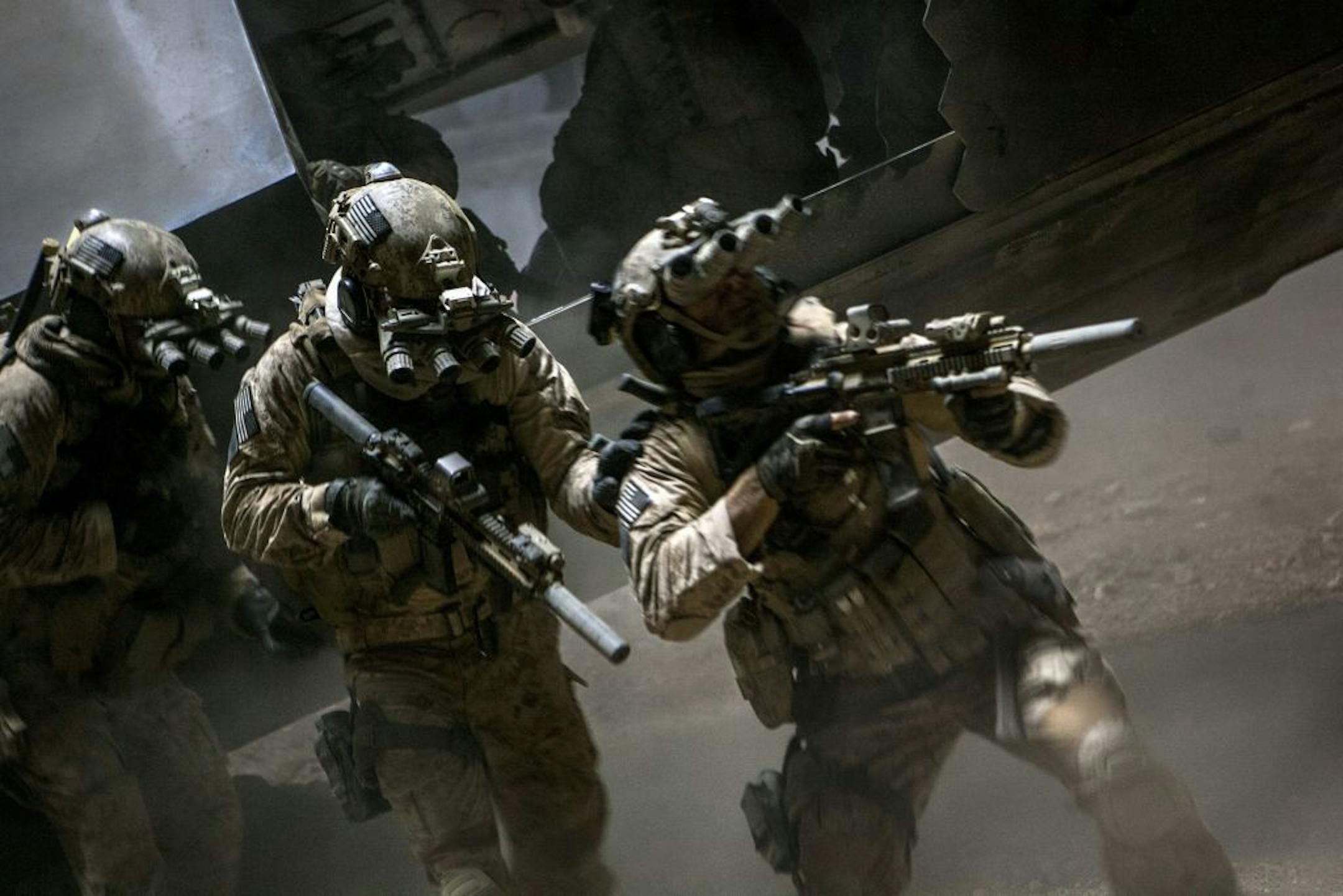
The film about the hunt for Osama bin Laden, which had its local premiere last night, is a well-told, taut thriller. As cinema, it earned its nominations.
But as history, its accuracy is debatable, according to the CIA and three key senators, sensitive to the national image damage that "Zero Dark Thirty" could inflict worldwide.
The movie "creates the strong impression that the enhanced interrogation techniques that were part of our former detention and interrogation program were key to finding [Osama] Bin Laden. That impression is false," wrote Michael J. Morell, acting director of the CIA, in a letter to agency employees. "The truth is that multiple streams of intelligence led CIA analysts to conclude that Bin Laden was hiding in Abbottabad. Some came from detainees subjected to enhanced techniques, but there were many other sources as well."
The senators gave the movie a thumbs-down, too: "'Zero Dark Thirty' is factually inaccurate, and we believe that you have an obligation to state that the role of torture in the hunt for Usama Bin Laden is not based on the facts, but rather part of the film's fictional narrative," wrote Sens. Dianne Feinstein, D-Calif.; Carl Levin, D-Mich., and John McCain, R-Ariz.
The senators' letter uses as proof its own research: the Senate Intelligence Committee's recently adopted study of the CIA's detention and interrogation program.


