

This feels like the wrong time to explore grammar, but the right time to appreciate communication.
In 1968, I spent five months in Detroit making a PBS documentary about the uprising against police brutality and institutional racism suffered by the black population.
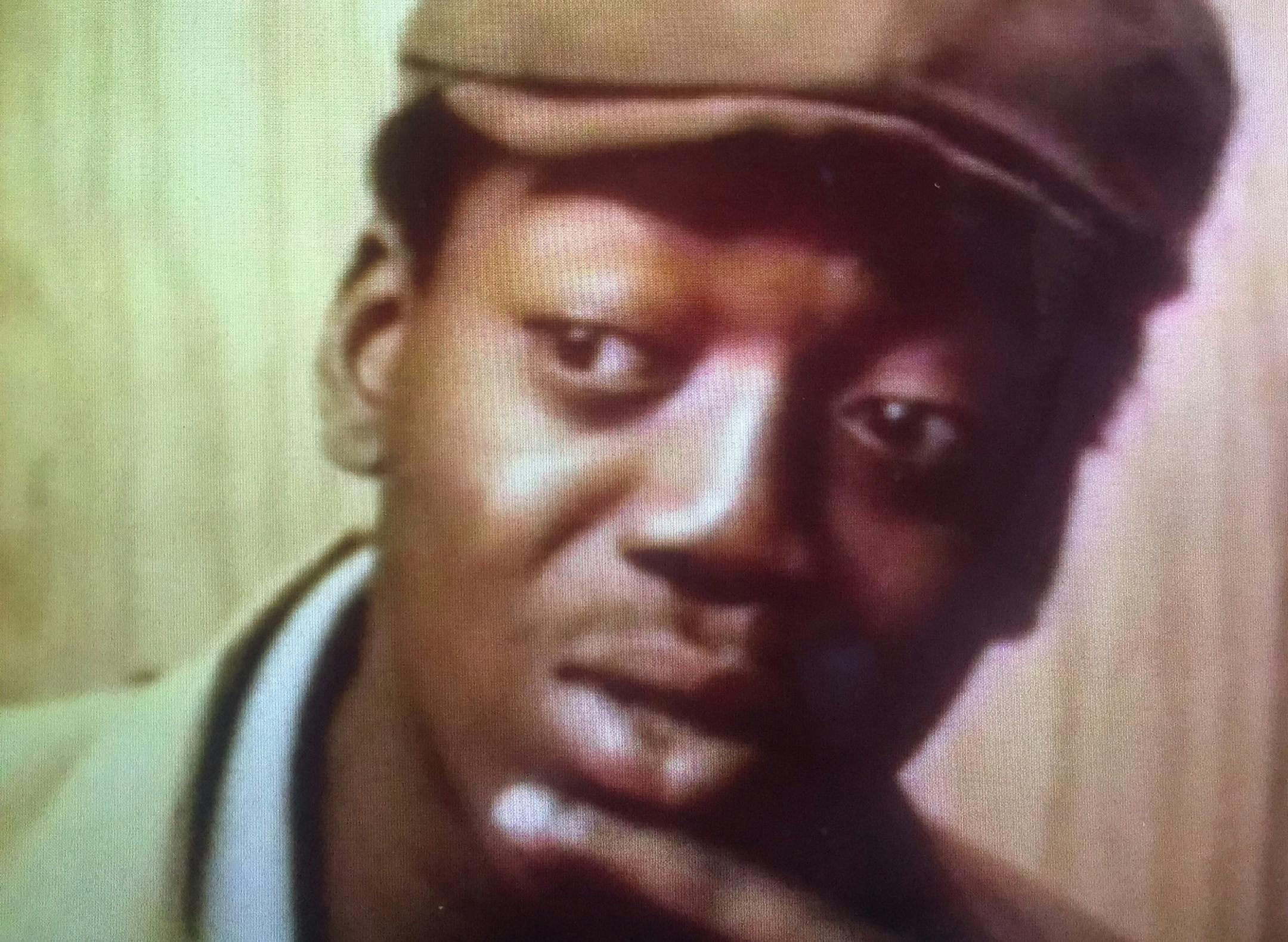
The film began with Lloyd Love, a 20-year-old black man, a high-school dropout who had had many contacts with the police and was living by his wits in the streets. I asked if he had ever had a job. Car companies were begging for any warm bodies to make cars in a record year for sales.
"Nah," he said, "I thought of takin' a job, but that ain't my thing. My father had a job in the factory, and if that's what I have to have for my kids, what he had for me, then I don't need to be in the factory, 'cause if I did take a job in the factory, 20 years from now I'd still be in the same shape."
Lloyd meant the physical cost of working at an auto plant and the emotional cost of living in a poor, segregated neighborhood. "And they think that's the answer — a job? Do you think that's the answer?"
Twenty years later, I went back to Detroit for a follow-up program; when I found him he was turning 40. He had served 1 ½ years in state prison on a concealed-weapon conviction, but was now working in a soda-bottling plant, hauling crates all day. That surprised me, given his earlier refusal to take a job that would have been his for the asking.
"I got responsibilities now," he said. "My little boy, he's 8 now, he's very intelligent, he's into gymnastics, and I want him to be somethin'."
Lloyd had married a schoolteacher, and he had organized a community theater. I asked him what had changed in Detroit since the uprising.



