

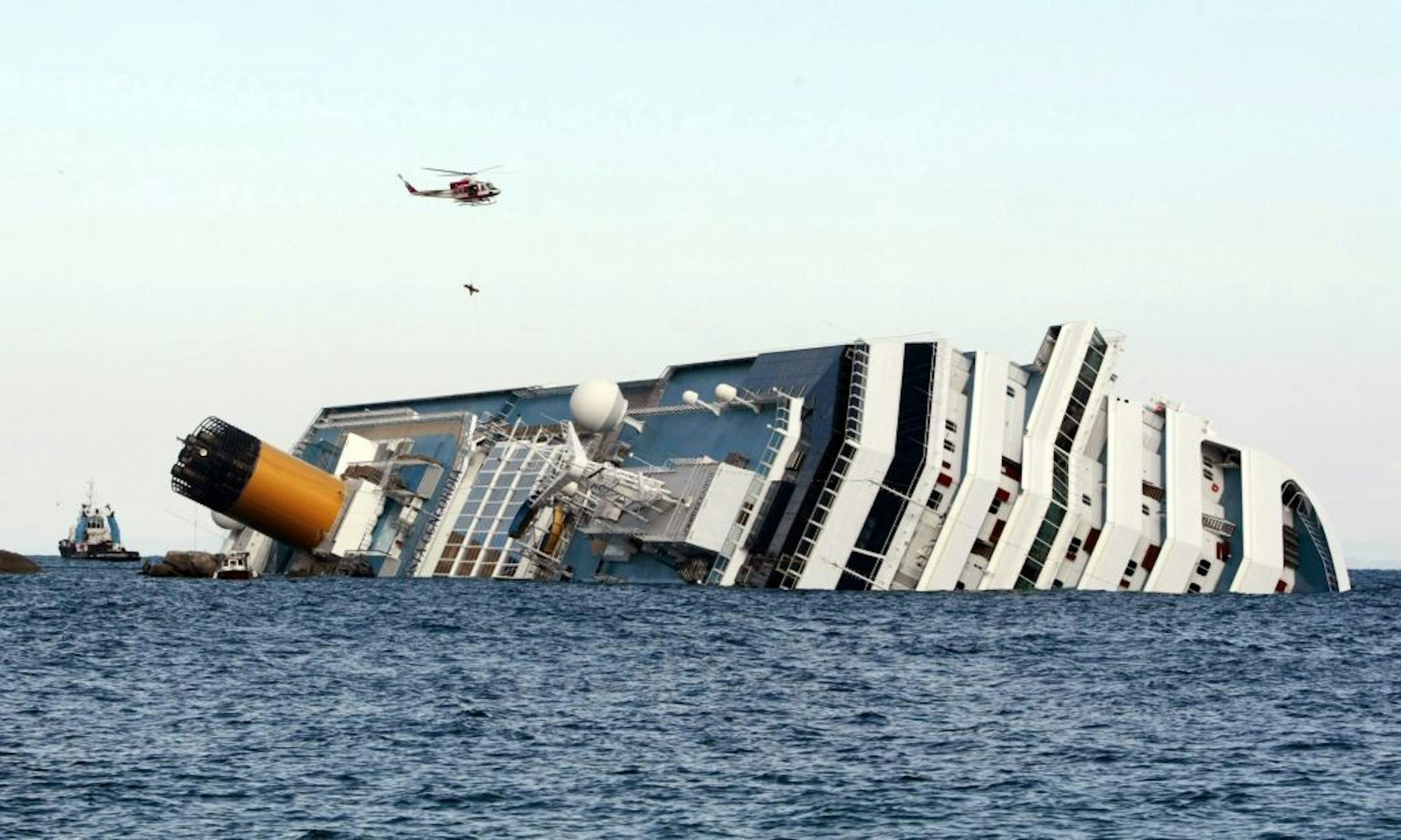
The wreck of the Costa Concordia hit a collective nerve as the giant cruise liner capsized off the Tuscan coast on Jan. 13.
Minnesotans may have responded with a special shudder. The disaster called to mind another horrific incident involving the demise of an engineering marvel -- the collapse of our own Interstate 35W bridge in August 2007.
We've come to take for granted the wonders of engineering with which we live. In our scientifically advanced world, interstate bridges aren't supposed to fall or huge ships founder on the rocks. But in the Costa disaster, we saw a ship that's a virtual city on the water -- with thousands of merrymaking residents -- swamp like a child's boat in a bath tub.
Most of our horror and disgust, however, was reserved for the behavior of the ship's captain, Francesco Schettino. Apparently, the Costa Concordia sank because Schettino was joyriding in the 110,000-ton equivalent of a horizontal skyscraper. News reports suggest he sailed within 150 yards of the shore because he wanted to impress a former colleague there.
As captain, Schettino was charged with protecting the lives of 4,200 passengers and crew. Yet he reportedly ordered dinner with a "mystery woman" an hour after the cruise liner hit the rocks, and then raced to save his own skin once it foundered. He abandoned ship while thousands were mobbing the lifeboats, and refused to return even after the Italian Coast Guard instructed him to do so, according to news reports.
Later, when asked why he had made it to shore before others had been evacuated, Schettino claimed he had "tripped" and fallen into a lifeboat. How's that going to play with a jury in the lawsuits that are sure to follow?
But the captain wasn't the only man on the Costa Concordia who was derelict in his duty. Some male crew members reportedly knocked down everyone in their path, including women and children, to snag a spot in a lifeboat. Beefy male passengers followed suit.
The Costa Concordia fiasco inevitably invites comparison with another famous shipwreck -- that of the Titanic on April 15, 1912. The contrast in the behavior of those on board couldn't be starker. In 1912, the Titanic's crew and most of its male passengers refused to board lifeboats until the women and children were safe. They preferred death in the frigid waters that awaited them to breaching such a point of honor.


