
In metro Detroit, men's hat stores hang on by a brim

As the number of hat stores dwindles in Motown, loyal customers keep the niche business alive.

August 6, 2017 at 11:38PM
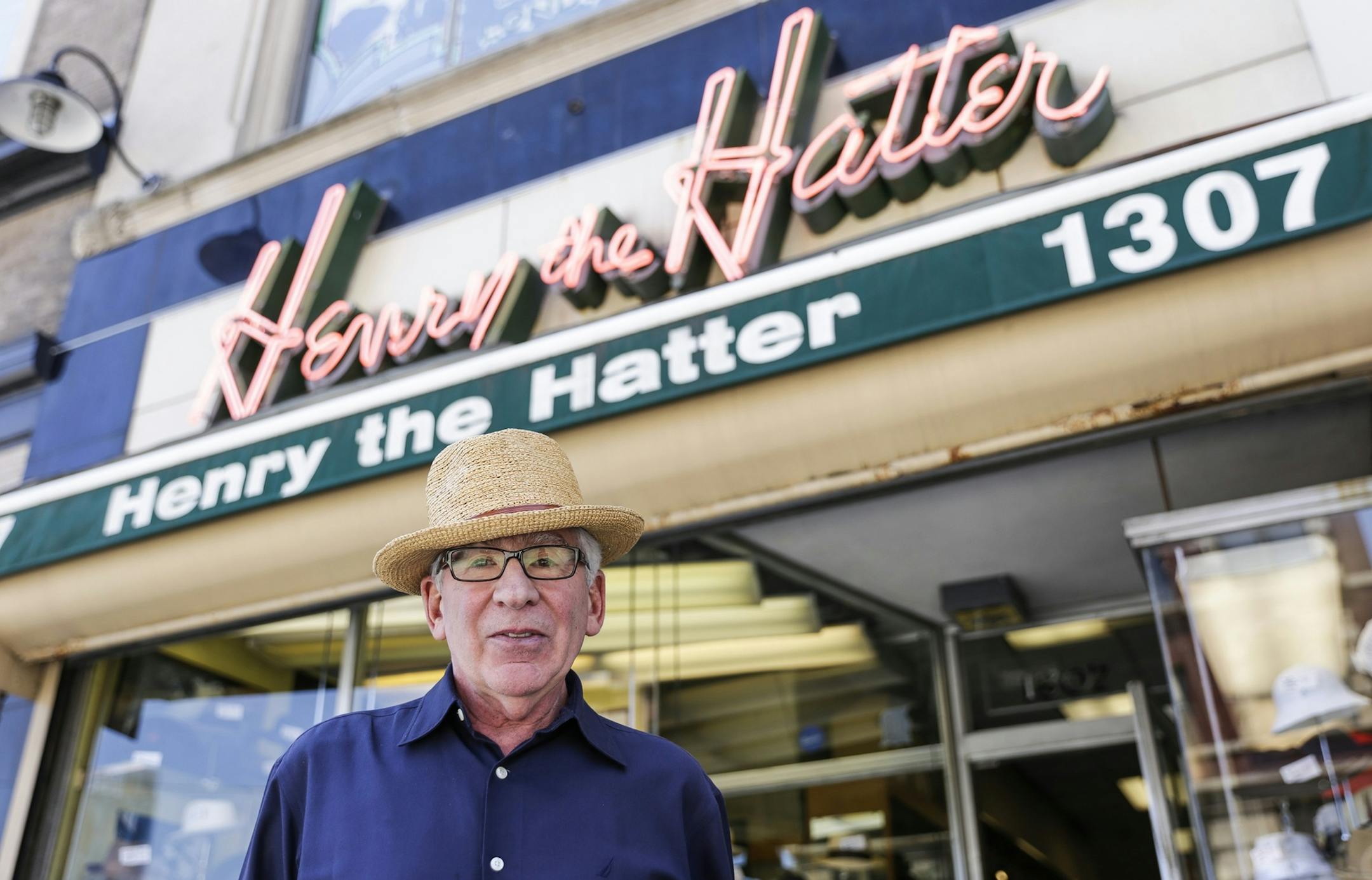
Paul Wasserman, owner of Henry the Hatter, poses for a portrait outside of Henry the Hatter store Friday, June 30, 2017 in Detroit. (Junfu Han/Detroit Free Press/TNS) ORG XMIT: 1207657
Paul Wasserman outside his Henry the Hatter store in Detroit. The store, which opened in 1952, closed on Saturday, but still has a suburban location. (The Minnesota Star Tribune)

DETROIT – This has been an unexpectedly busy summer for Paul Wasserman, owner of Henry the Hatter, the nation's oldest hat retailer. He announced earlier this summer that his iconic business would close its Detroit store this past weekend after losing its downtown lease. Sales have been surging.

"We've been unbelievably slammed," said Wasserman, 70.

The rush of visitors has included Chris Frank, 58, who eyed the dozens of hats on display in the store's front window on a recent afternoon before heading inside. He said he already had seven hats at home. But considering the recent news, perhaps it was time for No. 8?

"This is the only hat shop I shop at," Frank said.

For those who might view the traditional hat business as hopelessly anachronistic, in the same category as pager stores or typewriter shops, the buzz these past weeks inside Henry the Hatter would be a mindblower.

Even after the store closed for good on Saturday, the fact metro Detroit will still have three men's hat shops — and a smattering of others that make hats for women — is a testament to customer loyalty, entrepreneurial persistence and the benefits that come to the last ones standing in niche businesses that others have given up on.

Henry the Hatter, which opened for business in 1893, will still have a suburban location.

The other two hat businesses — both smaller in size — are City Hatter in suburban Southfield, whose roots can be traced to Detroit's bygone Black Bottom neighborhood, and Hats Galore & More on Detroit's east side, which is the last storefront in an otherwise demolished block.
'200 hats, all different'

Metro Detroit also is home to a handful of women's hat shops, called millineries.

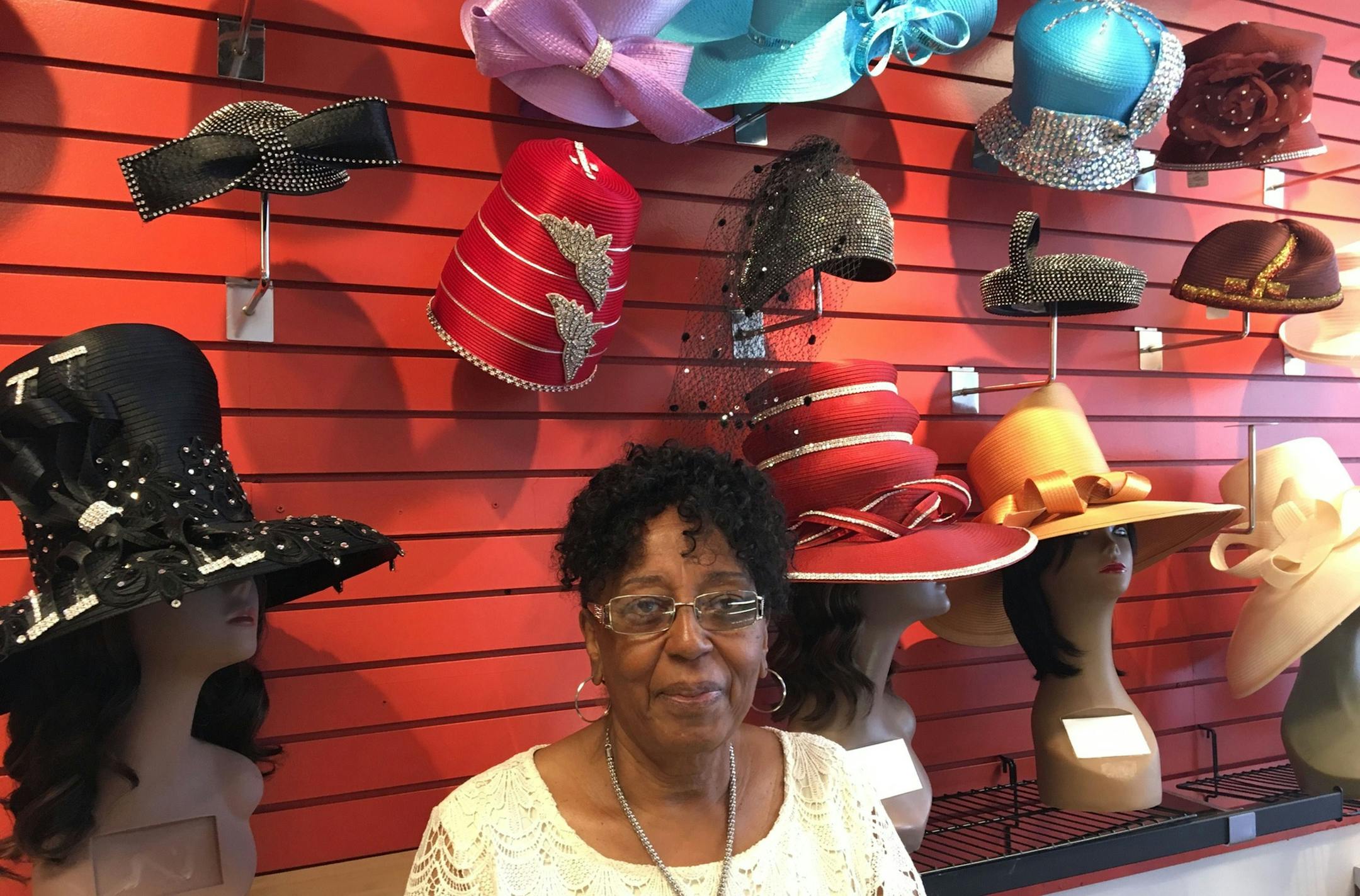
Four Sisters Fashion Millinery, in the suburb of Oak Park, belongs to Detroiter Remona Benjamin, 64, who designs and makes all her women's hats by hand in the back of the store. She learned the millinery trade from her mother, the late Everlena Allen.

Many of her store's customers are churchgoing women and those who dress up to attend tea parties (the social kind, not the political).

"I usually have 200 hats in here, and all of them are different. None of the styles are the same," said Benjamin, who is mother to the four sisters in the store's name. "I make all of them."

It's a truism in the hat business that male customers and female customers arrive with very different expectations concerning store inventory. For instance, men are OK with walking in and finding stacks of hats in the same style and color.

For female buyers, however, that's a big turnoff.

At Four Sisters, Benjamin will alert a prospective customer if she has already sold a hat similar to the one that caught the person's eye.

"I let my customer know, 'OK, I sold this to this lady and she lives in Ypsilanti. You may not see her, you may see her. But she has one like that,' " Benjamin said, referring to a nearby town.

Hats lost practical value as more people commuted in cars, rather than waiting outside to catch public transit.

Of course, fads later did touch down in Detroit, such as the colorful wide-brimmed hats that completed the Super Fly look of the early 1970s, Wasserman said. But hat fads generally don't last much beyond three years, sometimes less.

And chasing them can be dangerous for small business owners.

Wasserman said that when Henry the Hatter dove into the Western hat fads of the mid- to late 1970s, it barely managed to resurface. He and his father, Seymour Wasserman, went all in, ordering a large inventory of Westerns for the shop. But the fad faded as fast as it had appeared.

"So we were stuck with money that we owed the bank and a store full of Western hats that we couldn't convert into anything else," Wasserman said. "At one point my father and I looked at each other and said 'We have $77 in the bank — we're screwed.'

"That was definitely the scariest time," he added.

Remona Benjamin owns Four Sisters Fashion Millinery in Oak Park, Mich. (JC Reindl/Detroit Free Press/TNS) ORG XMIT: 1207657
Remona Benjamin makes all the hats sold at Four Sisters Fashion Millinery. (The Minnesota Star Tribune)
about the writer

about the writer

JC Reindl, Detroit Free Press

More from Business

See More
card image
Jeff Wheeler/The Minnesota Star Tribune

The county hospital that has treated detainees brought in under guard by ICE is now having its own workers scrutinized.

card image
card image