

You've heard plenty of criticisms of American suburbia over the years. This has been going on for quite a while.
During the "Mad Men" era a half-century ago, new suburbs were routinely skewered by opinion leaders as insufferably dull, populated by conformist dads in gray flannel suits and stay-at-home moms filling listless days with coffee klatches.
Such stereotyping seems pretty amusing today -- you know what I mean if you live in the suburbs. But it had a lasting effect. Even now it seems as if suburbia somehow has to justify itself.
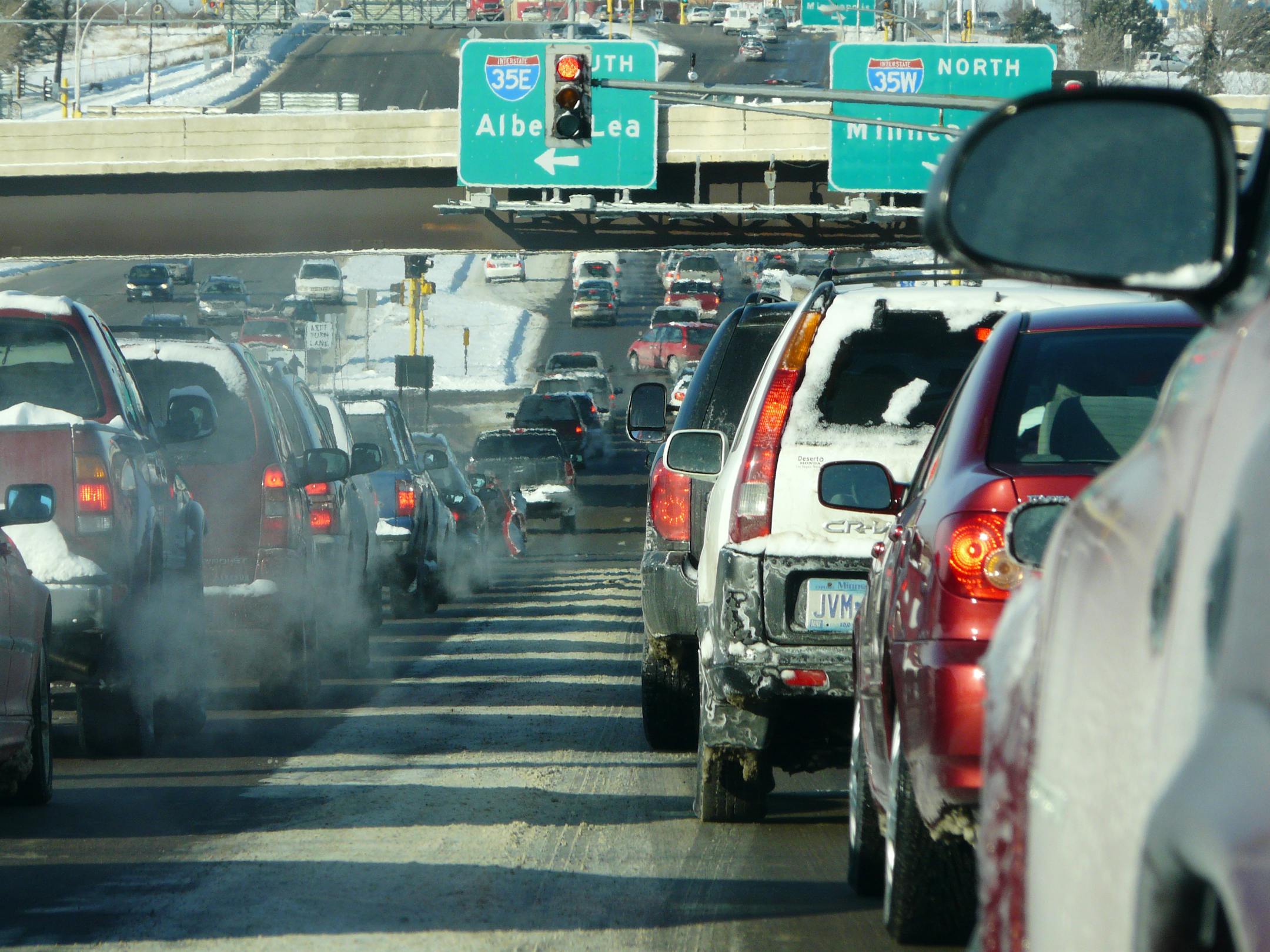
As suburbia expanded coast to coast over the past decades, criticisms only increased. Suburban subdivisions are not "walkable," so people have to drive everywhere. Suburban traffic is terrible.
Large lots are environmentally wasteful; shopping malls are lightweight chain-store knockoffs of downtown retail; there is no culture in suburbs, and, worst of all, the suburbs are placeless.
Eventually an all-purpose epithet -- sprawl -- was attached to American suburbs. Critics appreciated this label as the ultimate disapproval. No need to bother with details!
Funny thing, though -- suburbia continues to grow, and by now is home to well more than half of all Americans. How can the majority of us be so wrong?
Critics have answers: We suburbanites just don't understand how bad suburban living is.


