

Opinion editor's note: Star Tribune Opinion publishes a mix of national and local commentaries online and in print each day. To contribute, click here.
•••
Most people seem to think that free speech means saying whatever you want without consequences. But that's never been true — at least, legally speaking. The First Amendment stops the government from punishing you for your opinions. Beyond that, you're on your own.
Some institutions, like universities, promise their members they won't be punished for free expression. But for-profit employers rarely promise to protect employees' speech, for market-oriented reasons. Because companies care about what customers and clients think, they typically reserve the authority to make workers comply with their preferred speech policies.
So-called "cancel culture" offers a clear example of how what you say can have consequences. Those canceled in recent years mostly found they had little recourse other than abjectly apologizing and hoping the cancellation would have a sell-by date. Consequences ranged from getting fired to losing work to simply being criticized — albeit brutally.
As it happened, most canceling initially came from the left. As a consequence, most leftists either thought there was nothing wrong with the practice or pointed out that "cancellation" was nothing more than the exercise of free speech by critics. The right, for its part, complained bitterly but offered little in the way of a principled objection to the idea that people are free to criticize, even boycott, opinions they don't like. In the end, cancellation emerged as a phenomenon enabled by the combination of free speech and free market forces.
Since Hamas' terrorist attack on Israeli civilians on Oct. 7, the political winds of intense public criticism have shifted. Left-leaning critics of Israel are now finding themselves the targets of calls for cancellation.
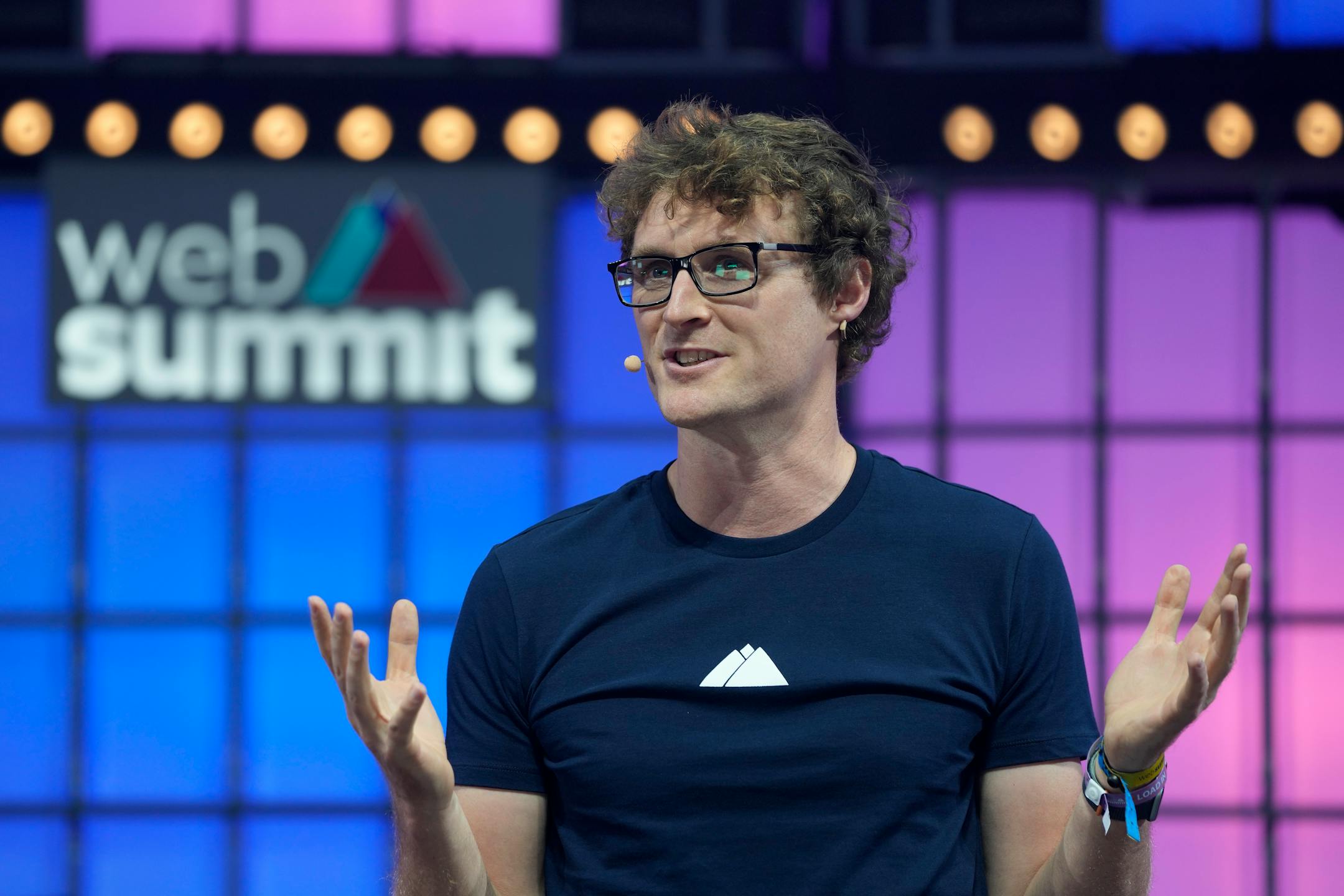
Paddy Cosgrave, the CEO of Web Summit, had to step down after a tweet that called out Israeli war crimes but never mentioned Hamas, let alone its intentional killing of noncombatants. Cosgrave tried to retract and contextualize, but his efforts were not sufficient to save his job. He's only the most prominent example — others whose tweets have cost them employment include journalists and actors.


