

Counterpoint
In a stirring opinion piece ("'Never again,' it's been said of genocide. Do we finally grasp it?" Jan. 19), Ellen Kennedy argues that people and nations have a responsibility to protect (R2P) vulnerable people who are at risk of genocide. In an equally thoughtful response ("Responsibility to protect is a power play," Jan. 25), Diana Johnstone writes that R2P -- the idea that the world community should intervene when a country experiences genocide or potential genocide -- inevitably leads to greater catastrophes.
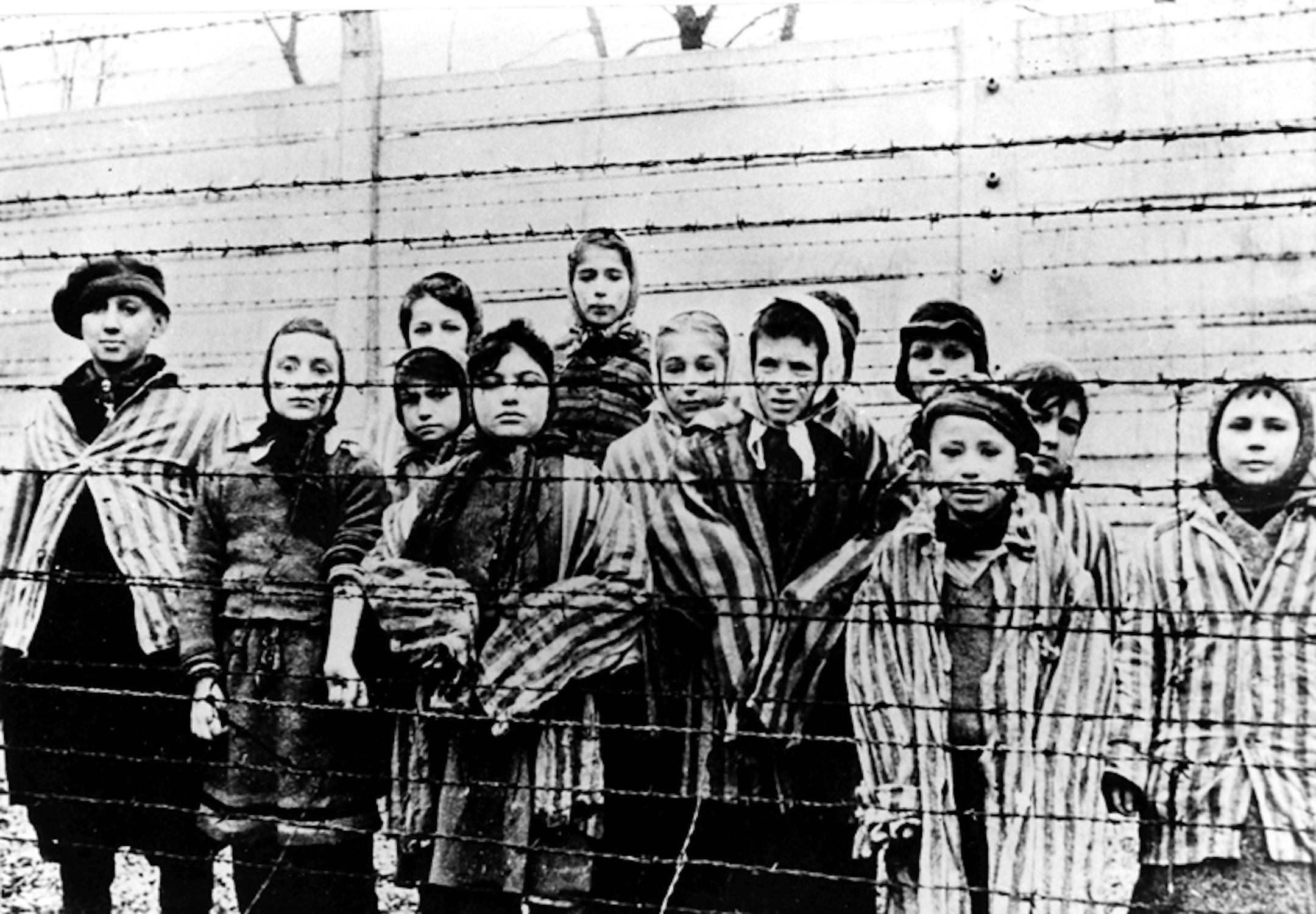
Permit me to enter the fray as a Holocaust survivor.
Kennedy supports the United Nations "Outcome Document," noting that it is the responsibility of the international community to protect vulnerable citizens from genocide, war crimes, ethnic cleansing and crimes against humanity. Johnstone asserts that the intervention of one nation into the affairs of another is likely to lead to war, killing innocent civilians in greater numbers than ethnic cleansing. She argues, for example, that the murder of the Jews was part of World War II and that the genocide in Rwanda was a reaction to an invasion from Uganda.
My experience in Nazi Germany in the 1930s suggests that the Holocaust began long before the world war started in September 1939. The Holocaust and World War II are not synonymous. Hitler became chancellor of Germany on Jan. 30, 1933. The Dachau concentration camp opened on March 22, 51 days later. Preparing kosher meat according to Jewish tradition was forbidden by the end of April, followed quickly by the boycott of Jewish merchants. Early intervention by the international community might have prevented the genocide that followed.
Here I mean intervention in any of its many forms. R2P and the U.N. documents advocate using a long list of political, legal and economic remedies before putting boots on the ground. Military intervention is always a last, desperate and undesirable action.
I was born in September 1933, eight months after Hitler came to power. I was born in a Catholic infants home because health care for Jews was already limited and the nuns were willing to risk caring for a Jewish woman and her baby. In 1935 the Nazis passed the Nuremberg Laws, which stripped me and my family -- and all German Jews -- of citizenship and its rights and forbade marriages between Jews and Aryans.
Where were the international onlooker nations when the benches in Goethe Platz, the park at the end of our street in Hannover, Germany, had new signs erected in 1937 reading "Nur für Arier" (Only for Aryans)? When the Gestapo came to our homes looking for radios, we wondered if the world was watching. How could civilized nations permit the Nazi rampage? The early warning signs continued but there was no war. No one cared.


