IDS Center’s loan extension points to office upturn in downtown Minneapolis

Accesso, the Florida-based owners of the iconic office tower, negotiated a one-year extension on the $151.7 million loan and announced Associated Bank as a new tenant.

The Minnesota Star Tribune
September 9, 2025 at 9:08PM
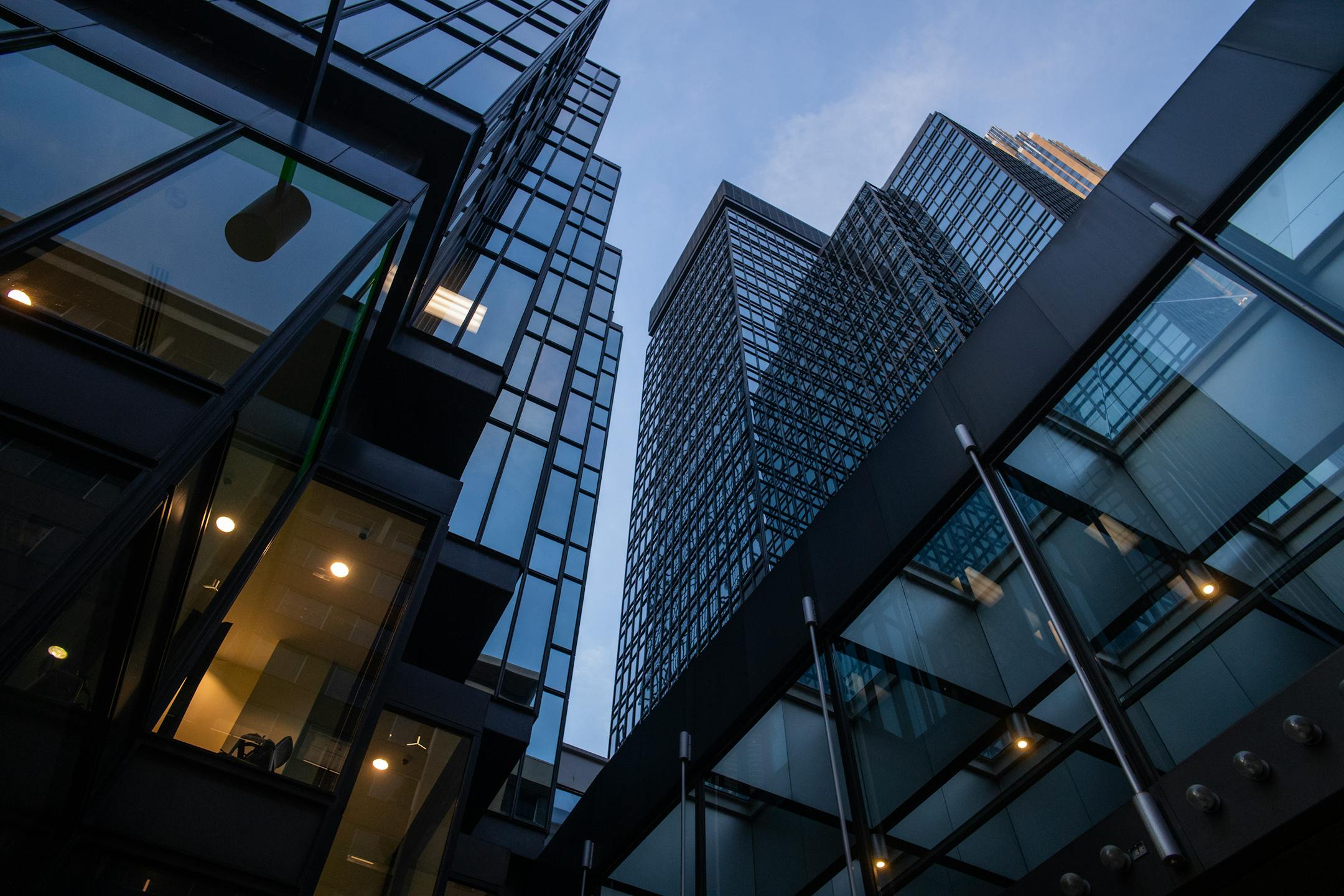
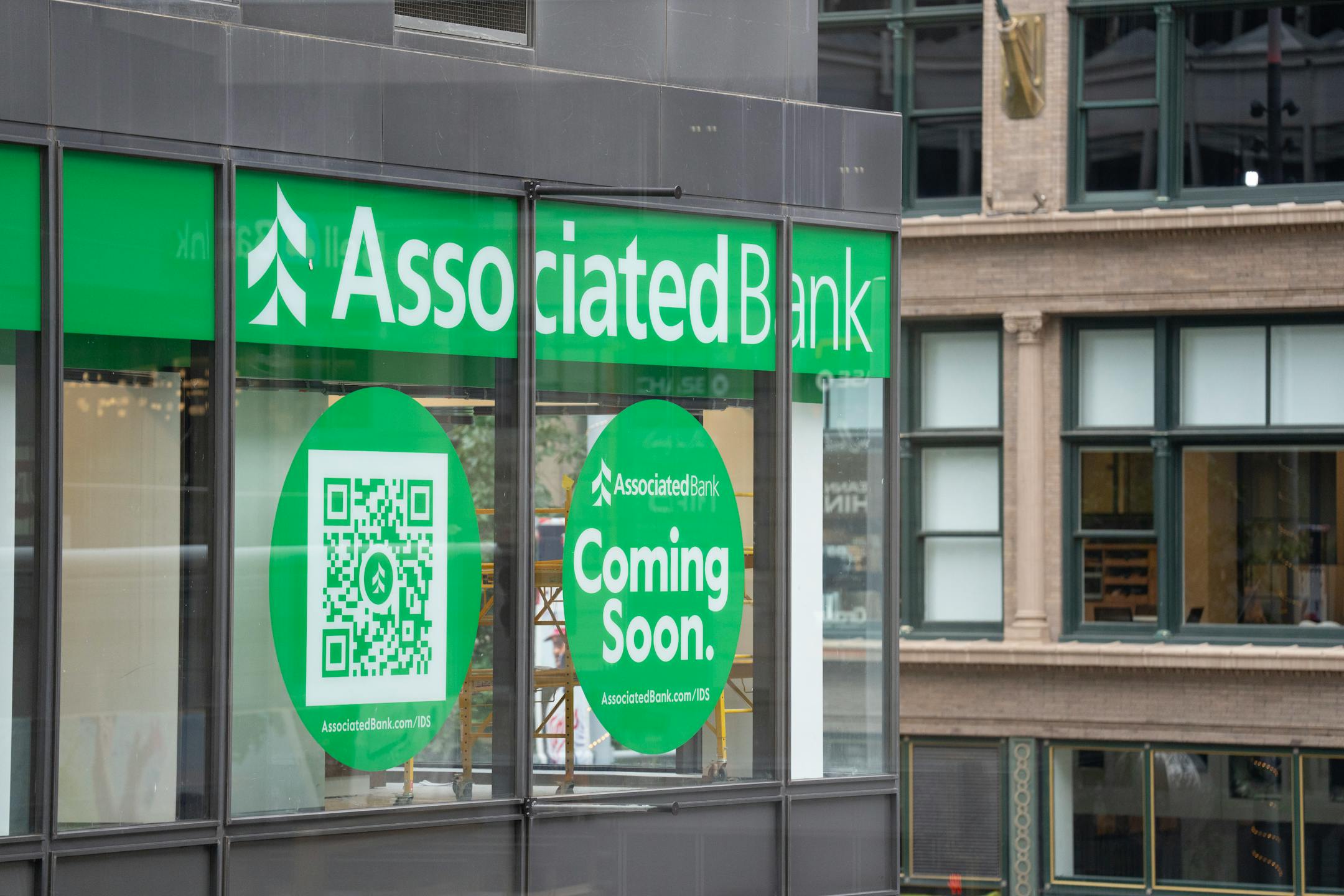
A new Associated Bank branch is under construction on the skyway level of the Crystal Court in downtown Minneapolis on Tuesday. (Alex Kormann/The Minnesota Star Tribune)

The return of thousands of red-shirted Target workers to the company’s corporate headquarters — and longer lines at skyway eateries —aren’t the only confidence boosters in downtown Minneapolis this week.

The owner of the IDS Center, the state’s tallest and most iconic building, said Tuesday it negotiated another critical financial reprieve. This once again averts an unknown-but-likely-catastrophic outcome for the city’s most valuable office tower.

Florida-based Accesso said this week it secured a 12-month extension on its loan, the second such put-off in three years. The company also reported “significant” leasing momentum, with five long-term commitments for nearly 112,000 square feet of space.

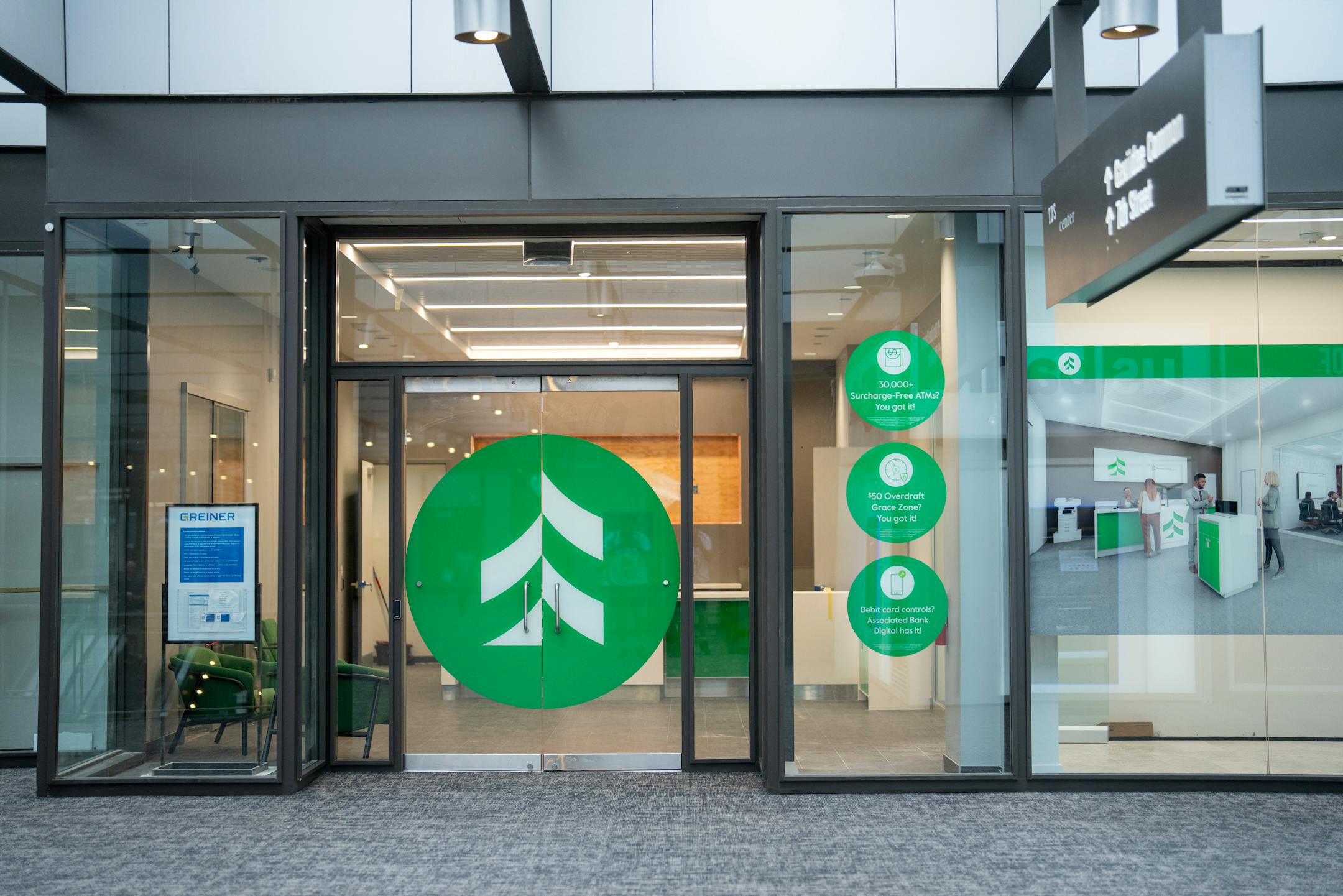
That includes a new, full-floor lease for Associated Bank, which is also in the process of opening a new branch on the skyway level of the IDS Crystal Court.

“The good news is that the bank still believes in the building,” said Deb Kolar, general manager of the the 57-story tower. “It shows the commitment we have to the property.”
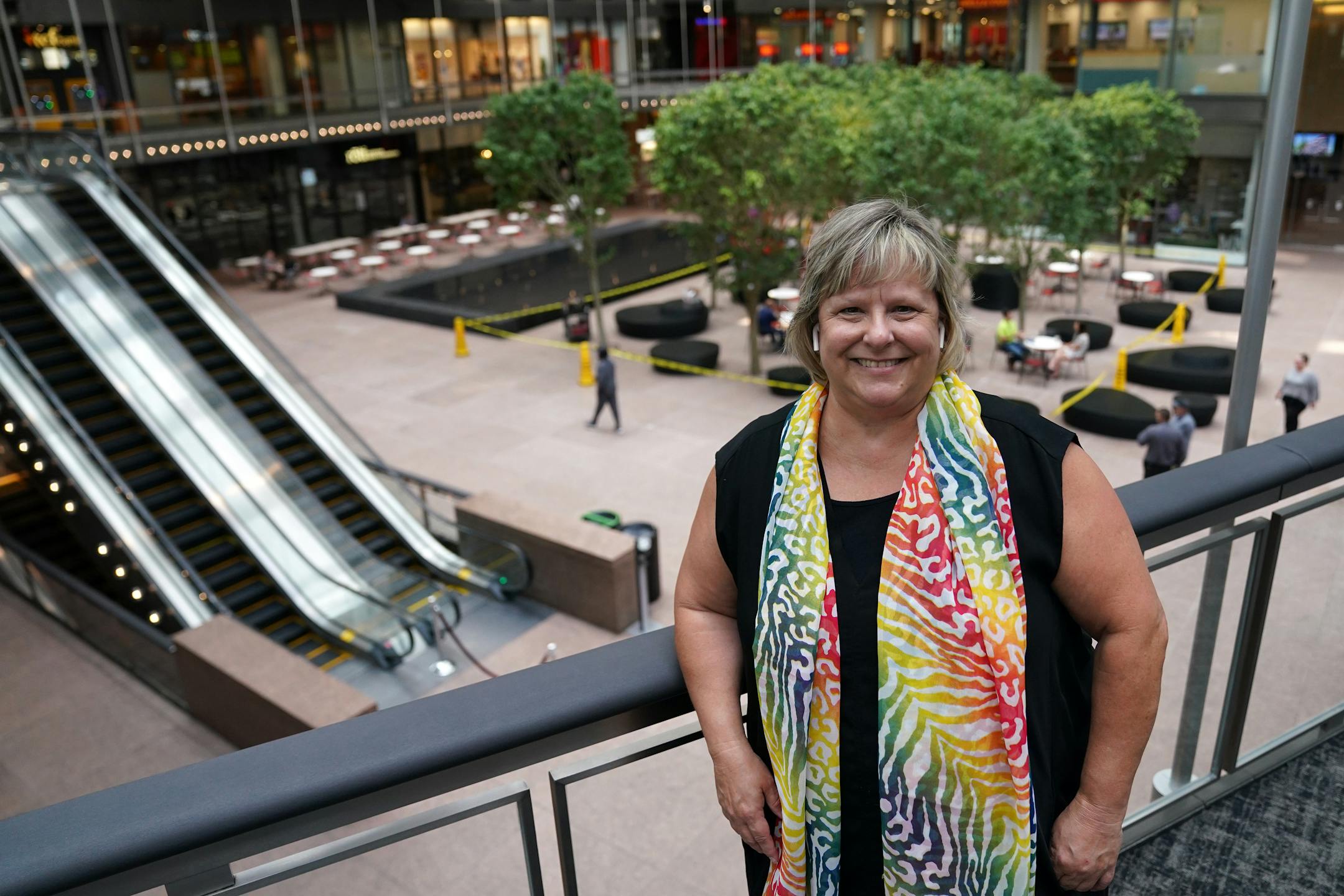
IDS Center general manager Deb Kolar inside the IDS Center Crystal Court in Minneapolis. The building's 'Crystal Court' underwent a $5 million renovation, reopening in 2021. (Anthony Souffle/The Minnesota Star Tribune)

These wins for IDS come at a time of record office vacancies in downtown Minneapolis and St. Paul, where nearly a third of all offices are vacant.

Midway through the year, the overall office vacancy rate in the central business district (CBD) of downtown Minneapolis was 33.8%, according to Cushman and Wakefield. That’s on par with last year at the same time.

However, a slight decline in vacant sublease space (already leased offices available to other tenants) and slightly higher rents for some buildings suggest better days could be on the horizon.

The seems to be the mood among many office brokers, at least.

“We’re not going backwards. We’re going forwards,” said Brent Robertson, market lead and managing director of JLL’s Twin Cities office. “[Leasing] activity is really strong.”

Three factors play into his optimism: More companies, such as Target, have implemented in-office policies, a significant amount of office space is under conversion into other uses, and there’s no new office space coming online, thanks to the high cost of borrowing and building.

“Quality buildings with quality amenities are in high demand,” Robertson said. “I think we’ll look back and say, ‘Q4 of 2024 was when the office bottomed out.’”

The IDS Center, photographed Nov. 15, 2023 in Minneapolis. (Richard Tsong-Taatariii/The Minnesota Star Tribune)

The Associated Bank move at IDS is among a handful of significant lease deals in the area. Late last year, Wold Architects & Engineers said it would move about 250 employees from downtown St. Paul to 50 South Sixth, a 29-story office tower along Nicollet Mall. The need for more space is what motivated both Wold and Associated Bank.

More companies are simply looking to upgrade their digs. It’s a good time to look around, as landlords are offering a variety of incentives to lure tenants alongside hard-to-resist amenities that entice employees to work from the office.

That “flight-to-quality” is why demand for the top-class “A” office space in the best locations is outpacing demand for less-desirable buildings.

Still, office owners are grappling with falling values. That, coupled with high vacancy rates, has made refinancing their loans more difficult. At IDS, Kolar said the one-year debt extension gives the leasing team more time to woo more new tenants.

The occupancy rate at IDS has fallen from the mid-to-low 80% range prior to the pandemic to 65-68% today, Kolar said. In today’s capital markets environment, she is aiming to increase the occupancy to 72-74% so Accesso can secure another loan.

Associated Bank signage can be seen from the windows of the IDS Center on Tuesday. (Alex Kormann/The Minnesota Star Tribune)

Associated Bank, headquartered in Green Bay, Wis., is inching IDS closer to that goal. Its new 25,513 square-foot space on the 43rd floor is more than double what it previously had at another office building along Nicollet Mall.

“Minneapolis is a priority market for us, and we’re excited to play a role in drawing people and energy back into the heart of Minneapolis,” said Phillip Trier, executive vice president and head of corporate and commercial banking, in a statement.

This spring, the bank announced plans to open its newest Twin Cities branch location in the IDS Center Crystal Court, and work is how underway. It should open later this fall.

IDS’ struggles aren’t unusual, as office owners scramble to refinance their loans. Unlike houses, which are typically financed with long-term, fixed-rate mortgages, commercial loans are much shorter. They’re typically five years or fewer, and many have floating rates. All that requires owners to find new financing every few years.

That’s been an especially challenging proposition at a time of falling property values. In 2013, Accesso paid $253.5 million for the tower. This year, the assessed value for tax purposes was about $135 million, according to Hennepin County.

At the end of 2023, Accesso negotiated a three-year extension for its $151.7 million loan after missing a balloon payment.

In many cases, after a loan matures — as it did at IDS — the borrower keeps making payments while the owner and/or lender explore options. If a new buyer doesn’t emerge, for example, the lender can hold onto the building until occupancy — or values — increase.

Kolar said Accesso hasn’t yet explored selling IDS.

“Everybody is taking it as it comes,” she said. “Long-term lending is extremely expensive. Values on properties are just not where they need to be to make that long-term lending feasible.”

about the writer

about the writer

Jim Buchta

Reporter

Jim Buchta has covered real estate for the Star Tribune for several years. He also has covered energy, small business, consumer affairs and travel.

See Moreicon

More from Real Estate

See More
iStock
Isometric small house and green dollar sign on weight scales. Balance, price, real estate and home concept.
iStock

With the dream of home ownership out of reach for many Americans, President Donald Trump has floated the idea of a longer mortgage than the usual 30-year fixed-rate one.

card image
card image