

Opinion editor’s note: Strib Voices publishes a mix of guest commentaries online and in print each day. To contribute, click here.
•••
The unprecedented presence in Minnesota of what looks like an occupying federal force is generating judicial orders at a rapid pace, but we should not forgo a critical analysis of the first major appellate order. It’s a troubling, split decision from the U.S. Court of Appeals for the Eighth Circuit denying early relief for protesters who sued over retaliation against their exercise of First Amendment rights.
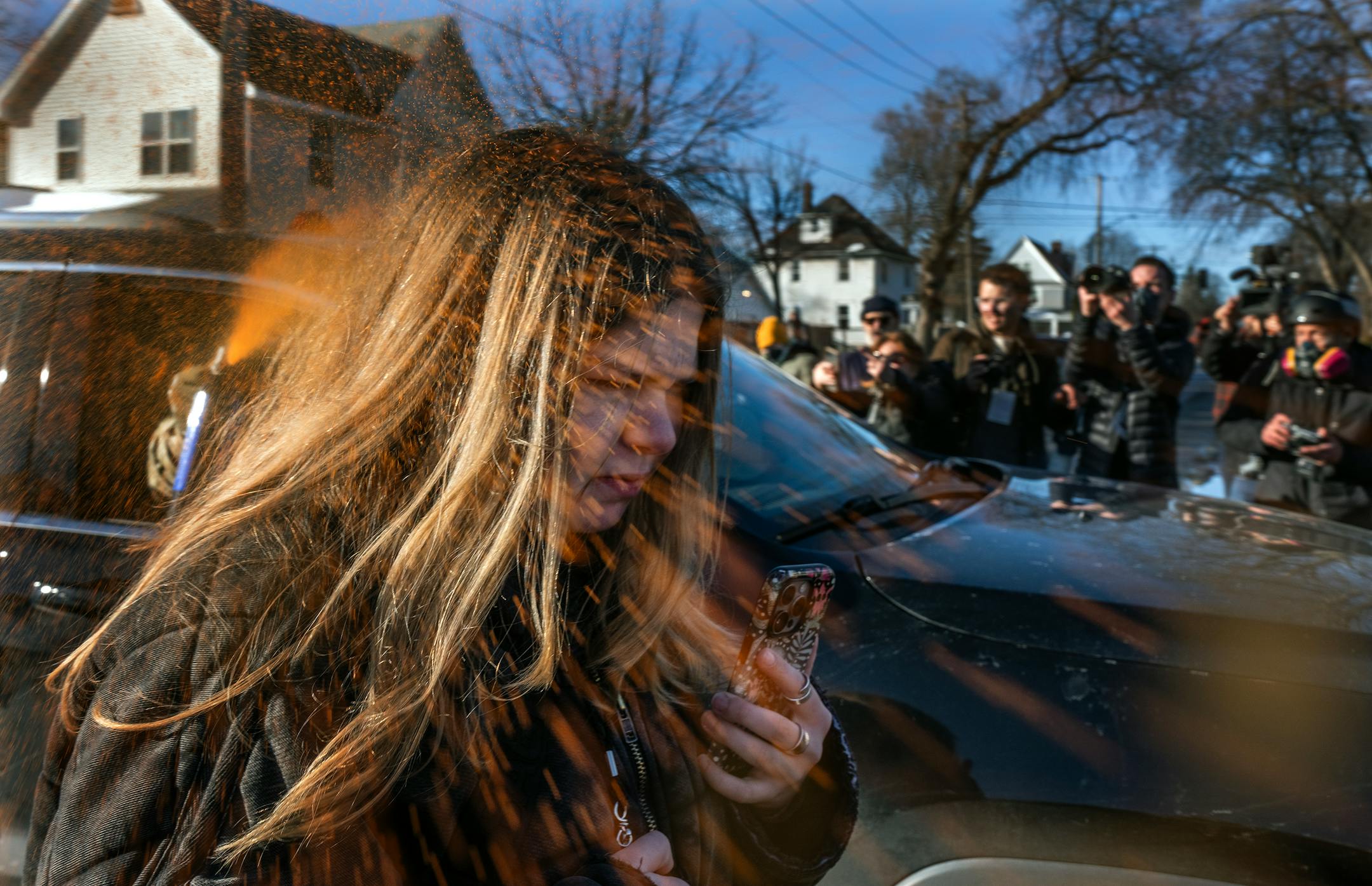
Based on detailed affidavits and video through mid-January, the protesters presented to the U.S. District Court strong evidence of retaliatory stops, detentions, arrests and pepper-spraying by federal agents. The government’s response denying or explaining the incidents was weak, consisting mostly of an affidavit from a high-ranking supervisor that stacked hearsay upon hearsay.
District Judge Katherine Menendez then did what any prudent federal trial judge would do: She explained what evidence she was admitting, weighed it, applied the law, then issued an injunction prohibiting future retaliation using the specific tactics proven. The court ordered that the federal agents in Operation Metro Surge not retaliate against observers and protesters by use of arrests, stops, detention or pepper-spray unless they had other legal suspicion or cause to do so. The court made crystal-clear that the injunction did not prohibit enforcement of any immigration laws.
That seems simple enough. Indeed, at first the injunction seemed too simple to Secretary of Homeland Security Kristi Noem, who said it was a “little ridiculous” because it “didn’t change anything for how we’re operating on the ground, because it’s basically telling us to do what we’ve already been doing.”
Nevertheless, she appealed. In a 2-1 decision, an Eighth Circuit panel “stayed” the injunction indefinitely. In the majority were Judges Bobby Shepherd from Arkansas and David Stras from Minnesota. Judge Raymond Gruender from Missouri would have allowed the injunction for retaliatory pepper-spraying.
The majority characterized the district court order as a “universal injunction by another name,” citing a recent Supreme Court case that prohibited district judges from declaring a federal law or policy invalid and then enjoining enforcement everywhere. This comparison is a real head-scratcher. By its plain words, this injunction is limited to the District of Minnesota and to the Metro Surge agents and protesters. It expressly does not limit any federal statute or formal policy.


