

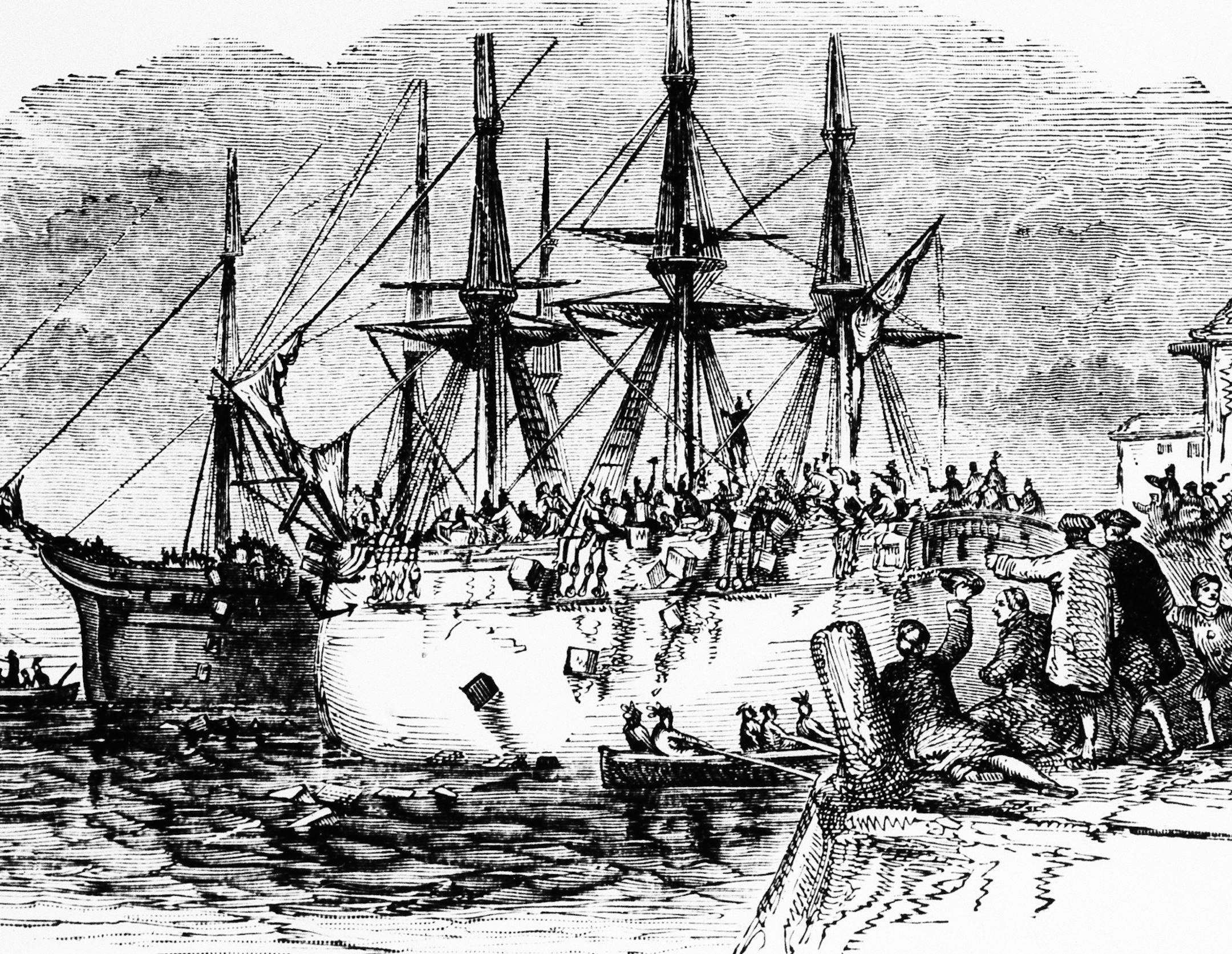
It's plastered on the wall of many social-studies teachers' rooms. It's on license plates and bumper stickers, and in American history books.
From the first time the phrase "no taxation without representation" was uttered, it has remained a pillar of the United States' political ideals. It caused a war, and plenty of people gave their lives for this basic right.
However, one year ago I got a job working at a tutoring center. Granted, as only a 16-year-old, I make minimum wage. But every month I receive a check for my salary. The amount I receive is not what I earned — because of taxes.
We high-schoolers all know that old phrase "no taxation without representation," but many of us don't realize that the government is in direct violation of it.
Why do I have to give part of the salary I earned through my work to a government in which I am not represented? I have been working for close to two years, and still I have no say in how I want my government to take or use my money, simply because I cannot vote.
If any smart politicians want to rally people to their cause, all they have to do is reference how our forefathers would feel. Yet, why did neither of the political platforms of the 2012 presidential candidates even mention the idea of lowering the voting age?
The answer is simple — because those who are voting do not consider it an important issue. The people who do care are the ones who cannot vote. Even when I turn 18, still feeling that the voting age should be lowered, it won't be, because the voter turnout for my youthful peers is significantly lower than for older people. Political parties cater to those who vote, and those who vote are not teenagers.
The parties are not at fault. They must address the issues that voting citizens consider important. Students who have the ability to voice their political opinions through their votes should do so.


