

They both called Minnesota home but had been touring like crazy. They were both about to graduate from indie to corporate labels. Their songwriters were coming into their own. They hadn’t yet started falling apart.
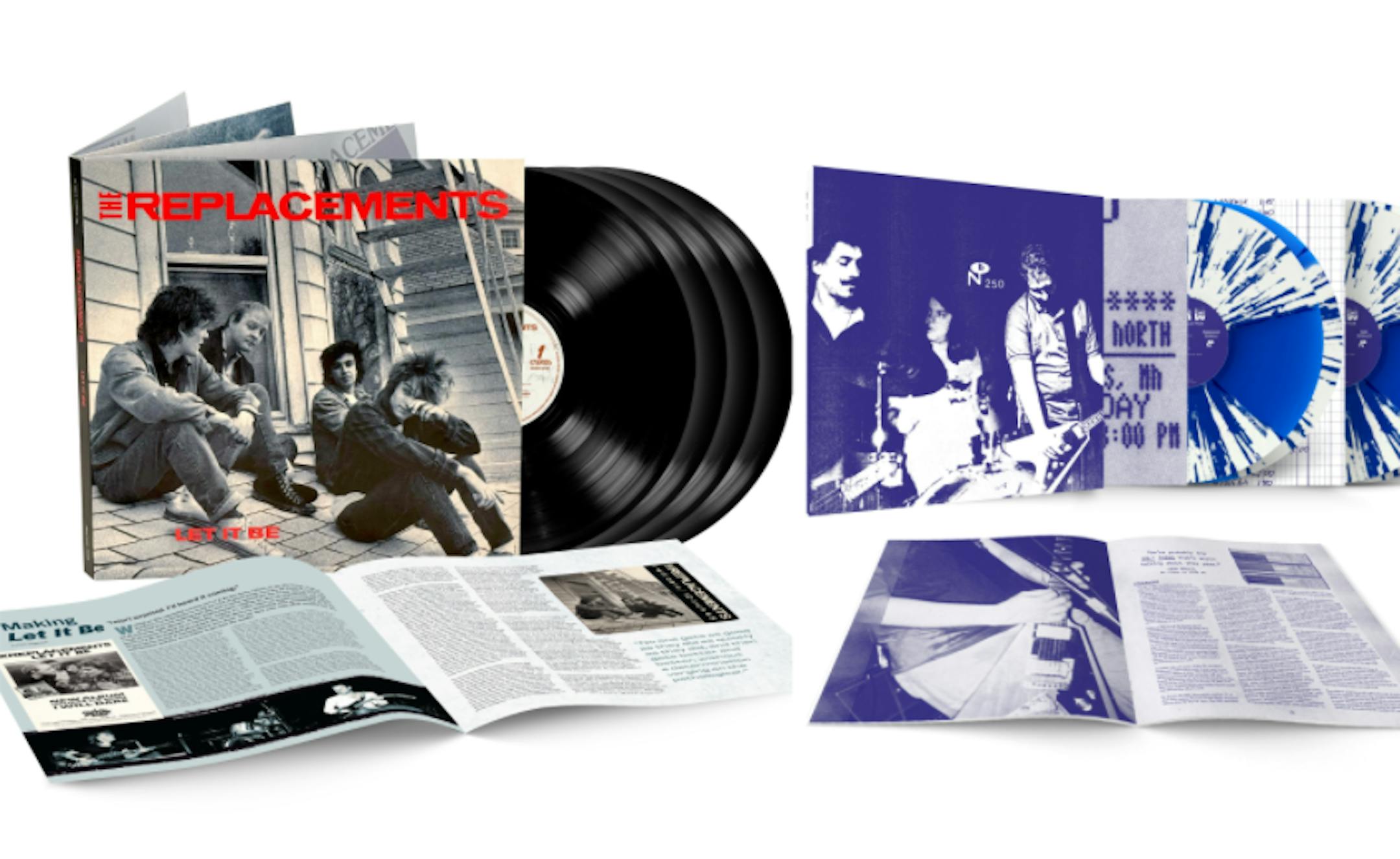
Those are the stories Hüsker Dü and the Replacements share in new box sets coming out this month. Each culled from the mid-1980s, the multi-LP collections won’t make you rethink these legendary Twin Cities bands, but they will teach you a thing or two about them.
Hüsker Dü’s “1985: The Miracle Year” is the more noteworthy of the two sets. From the collectors-oriented Chicago reissue label Numero Music Group, it’s only the third batch of unreleased material from the noisy melody makers issued this century, after two collections that focused on their baby-band years. This new four-LP set is all heyday-era Hüskers material.
The Replacements have been much more prolific of late, finding new spins on their old catalog through Rhino/Warner Records. Their sixth expanded collection in eight years, “Let It Be: Deluxe Edition” — available as a four-LP vinyl or three-CD bundle — could be of great interest since it focuses on their most influential record.
Here are some of the lessons from each collection.
The “miracle” of Hüsker Dü was how hard and fast the band worked. “Miracle Year” is made up entirely of live recordings from the year the legendarily loud trio with competing lead singers/songwriters Bob Mould and the late Grant Hart released two of its best studio albums in a nine-month span, “New Day Rising” and “Flip Your Wig.” The group also played about 100 gigs across the country and in Europe around all that writing and recording.
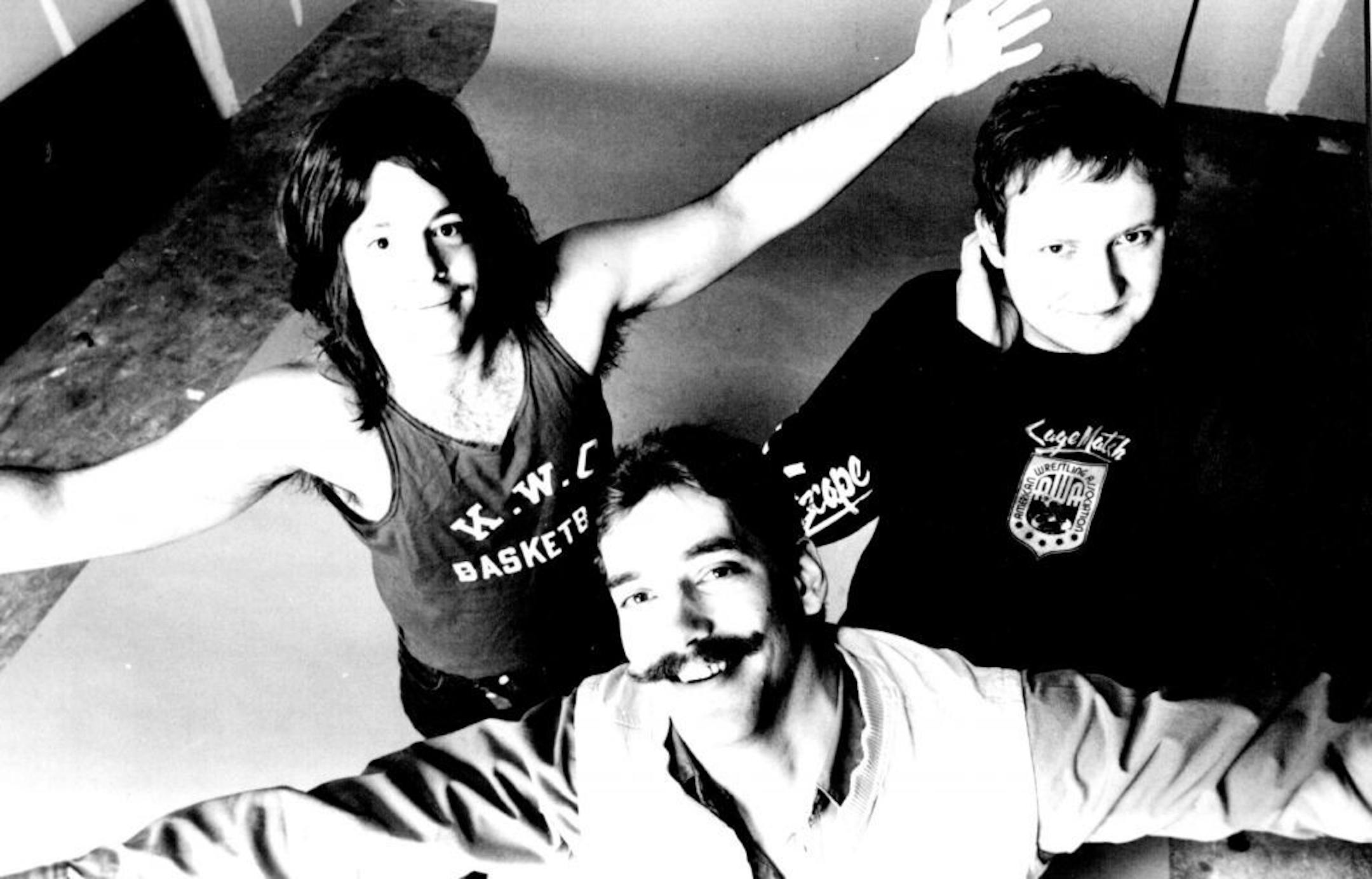
Discs 1 and 2 are taken from the “New Day Raising” release party at First Avenue in January 1985, for which the band enlisted Twin/Tone Records’ mobile recording truck to capture high-quality audio. The third and fourth LPs are from various other shows that year, much of them recorded from the board by sound engineer Lou Giordano. As newly remastered old punk-rock tapes go, these sound pretty great.
Hüsker Dü played just as hard and fast onstage. This isn’t news to older fans who saw the band back in the day, but the breakneck pace of the trio’s live shows lived well past its hardcore-punk years, even as the songs turned more melodic and less vitriolic. The 23-song First Ave recording especially shows off just how manic and breathless those live shows could be, as more complex songs like “Powerline,” “Terms of Psychic Warfare” and “Makes No Sense at All” spill into each other nonstop as if the band was still playing only to moshers next door at 7th St. Entry.


