

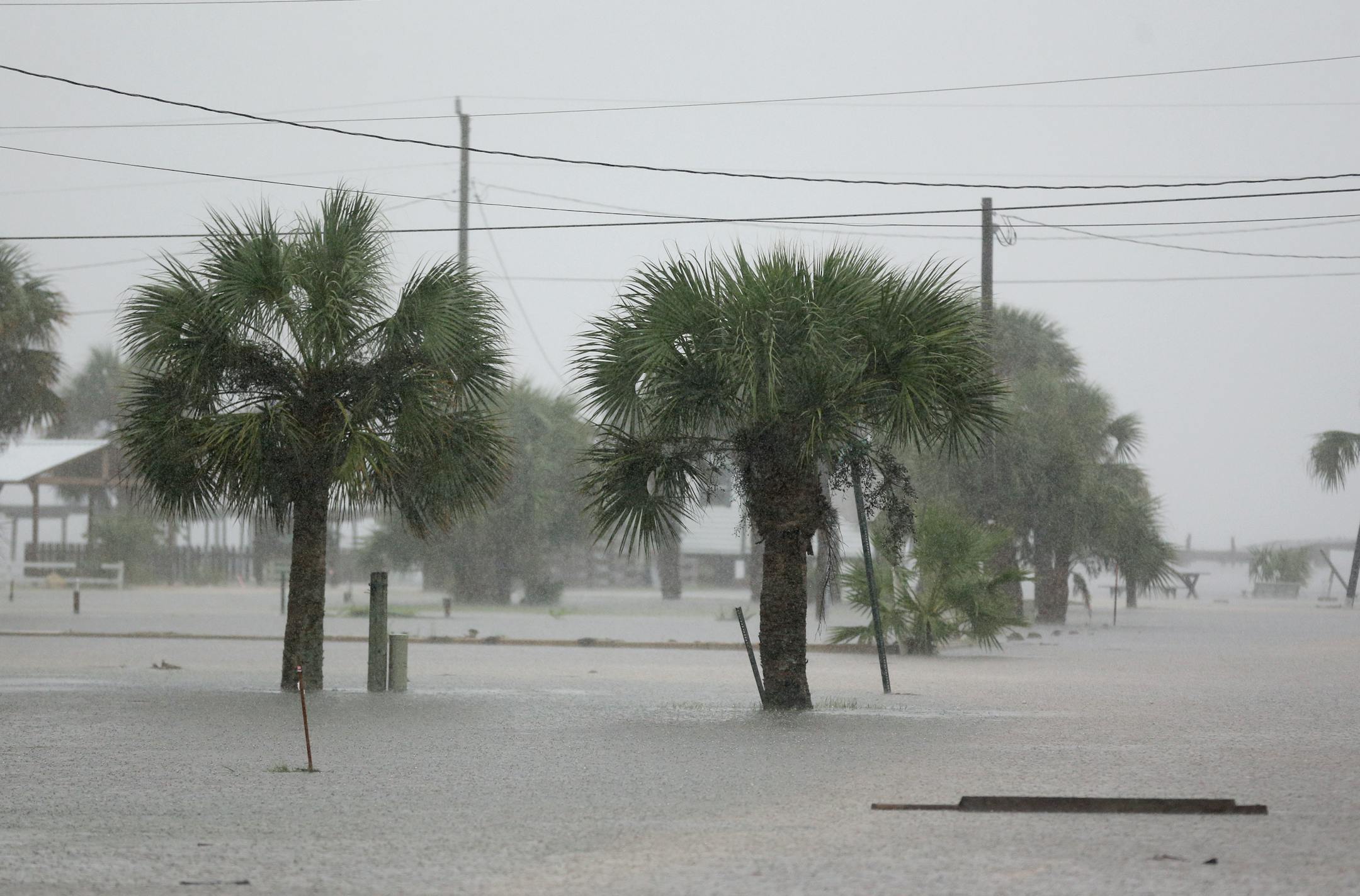
As if commodity markets needed any more drama this year, this year's Atlantic hurricane season could be the seventh consecutive with above-average activity, raising risks for U.S. grain exports as well as oil production and refining capacity.
Significant disruptions for U.S. commodities resulting from hurricanes are more the exception than the rule. But tight global stocks, high prices and geopolitical conflicts could amplify any storm effects that surface this year.
Present for a third consecutive year, La Niña is the primary culprit for forecasters' beefier predictions for hurricane season, which tends to peak in the second week of September.
La Niña-induced droughts have already contributed to higher global grain prices, wrecking soybeans and corn in South America over the last two seasons and whittling this year's U.S. hard red winter wheat crop to a 59-year low.
Unfortunately for commodity markets, the Gulf of Mexico is a common destination for Atlantic hurricanes. Louisiana ports are the busiest for U.S. grain exports, and about half of U.S. petroleum refining capacity resides along the Gulf Coast.
In August 2017, Harvey made landfall in Texas as a major hurricane, knocking up to 23% of U.S. refining capacity offline at one point. U.S. gasoline futures surged as much as 30% in the days following landfall, though the resulting prices were still only half of today's record levels.
Four years later, Hurricane Ida damaged or destroyed several Louisiana grain export terminals, capping September U.S. corn and soybean exports at just half the typical volume.
Strong grain exports returned in October and gasoline futures corrected within days of Harvey's 2017 arrival, though there may be less room for error today. Global grain shipments are already precarious with Ukraine's offerings still very limited.



