
Huge Anthem-Cigna case reaches court

The antitrust trial deals with a $48B merger plan between insurance giants.

Bloomberg News
November 22, 2016 at 3:19AM
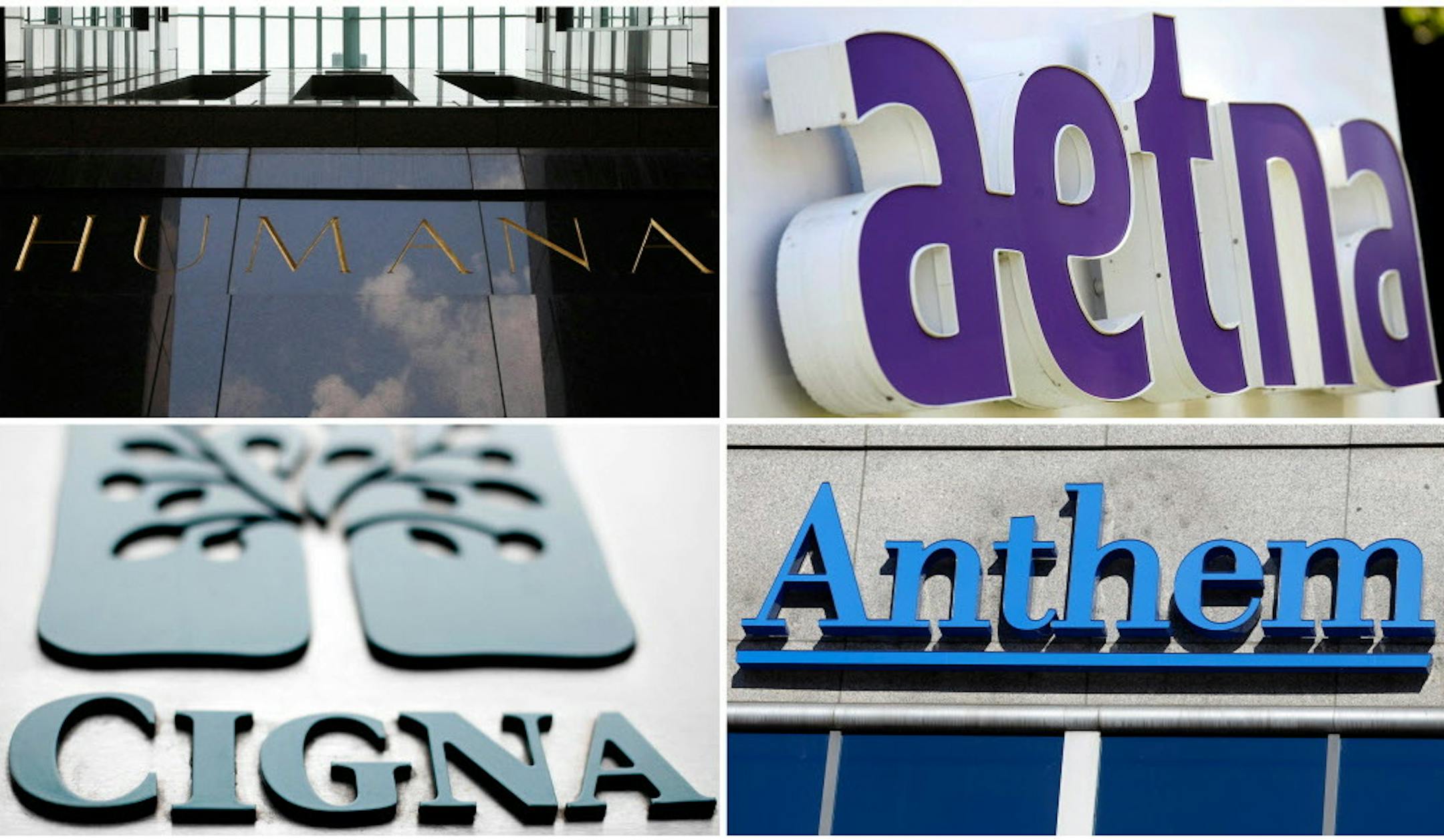
This photo combo shows signage for health insurers Humana Inc., Aetna Inc., Cigna Corp., and Anthem Inc. On Thursday, July 21, 2016, federal regulators said they are suing to stop two major health insurance mergers because they say the deals will increase health care costs for Americans and lower the quality of care they get. The Department of Justice said that the combinations of Aetna and Humana and Anthem and Cigna would hurt competition that restrains the price of coverage and reduce benefit
The Anthem-Cigna lawsuit is one of two federal health-care antitrust cases going to trial in the waning days of the Obama administration. The second case is against Aetna and Humana. (The Minnesota Star Tribune)

Anthem, Cigna and the U.S. government offered widely divergent views to a federal judge of the impact their proposed $48 billion combination will have on health insurance markets.

Justice Department lawyer Jon Jacobs said at the start of an antitrust trial in Washington that the biggest merger in the history of the American health insurance industry will increase the companies' dominance and cut consumer choice.

Anthem's attorney Christopher Curran responded that the combined company will be able to lower rates to health care providers, who will pass on the savings to consumers. His client's chief executive, Joseph Swedish, who is slated to testify at the trial, sat a few feet away.

It will be up to U.S. District Judge Amy Berman Jackson to determine which side has the most convincing evidence during a two-part trial that is scheduled to span more than a month.

In the first phase of the trial, the U.S. will attempt to prove that the combined company will hurt large national employers. In the second phase, set to start Dec. 12, the trial will focus on the proposed tie-up's effect on local markets.

The merger is the most complex in the industry's history and will harm consumers in at least 60 markets, Jacobs said, adding the judge should reject the companies' argument that they will be able to negotiate lower rates that will be passed on to consumers.

Those savings "don't count if the only way you get them is through more market power," Jacobs said. "The more concentrated the market, the more likely you'll have higher prices, lower quality, reduced consumer choice and less innovation."

The Anthem-Cigna lawsuit is one of two federal health care antitrust cases going to trial in the waning days of the Obama administration, which is trying to prevent the industry from shrinking.

The second case, against the $38 billion tie-up of Aetna Inc. and Humana Inc., opens before another judge in Washington on Dec. 5.

By challenging the deals earlier this year, President Obama's administration seized an opportunity to further shape the future of health care after passage of the Affordable Care Act.

President-elect Donald Trump has said his administration will be more pro-business than his predecessor's, but he has also said he would block AT&T Inc.'s plan to buy Time Warner Inc. Trump, who is to take office on Jan. 20, said Friday that he would nominate Sen. Jeff Sessions to be attorney general. The Alabama Republican doesn't have a clear track record on antitrust issues, leaving his approach to competition preservation unclear.

The American Medical Association also opposes the merger, claiming it will reduce choice for consumers.

"Allowing Anthem and Cigna to create a health insurance Goliath would compromise physicians' ability to advocate for their patients," AMA President Andrew Gurman said in an e-mailed statement as the trial started. "Competition and choice hang in balance."

The run-up to the Anthem-Cigna trial was marked by acrimony between the companies, with each accusing the other of breaching terms of their deal. Cigna stands to collect a $1.85 billion break up fee if the merger is blocked.

In court Monday, Jacobs said while merging the health insurers would be a difficult task "under the best of circumstances," here there was "an unusual amount of conflict" between those businesses.

Curran responded that the "strained relations" won't hurt integration. The insurers are working well together on the merger, he told the judge.

about the writers

about the writers

ANDREW HARRIS

DAVID MCLAUGHLIN

More from Business

See More
card image
card image
