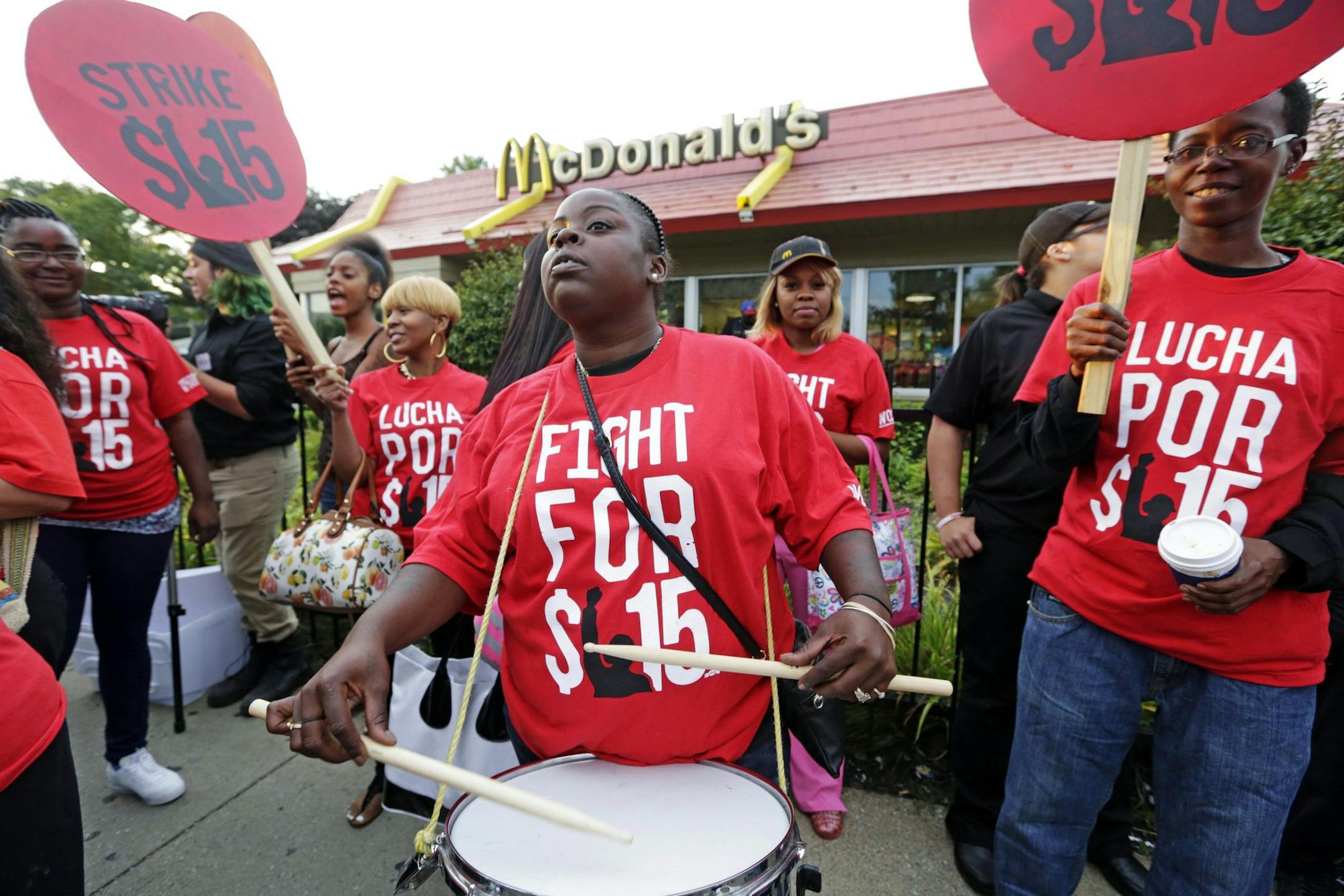
Are franchises small, independent businesses or should they be considered part of a much larger company?
The question is at the heart of two upcoming legal cases. The outcomes could affect profits and change how franchisees hire, fire, manage and pay workers.
A federal judge holds a hearing Tuesday on Seattle's minimum wage law, which treats franchisees of companies such as McDonald's and 7-Eleven as big businesses although many are owned by individuals and have only a handful of employees. And March 30 brings the first of a series of hearings into complaints against McDonald's Corp. and some of its franchisees brought by National Labor Relations Board officials. The agency's Office of General Counsel contends McDonald's is a joint employer with its franchisees, and should be held responsible if franchisees are found to have committed labor law violations.
Small or large business?
When Seattle's City Council passed a law last year raising the minimum wage to $15 from $9.32 an hour, it gave small businesses seven years to reach that level vs. three for large businesses — with franchises considered large businesses.
The law going into effect April 1 is being challenged by franchisees and the International Franchise Association. They're asking a federal judge to stop implementation of parts of the law that treat franchises as large businesses; they contend the law discriminates against franchises.
Franchises are at a financial disadvantage under the law, says IFA President Steve Caldeira. For example, a restaurant franchisee will have to pay higher wages than independent restaurants for four years, he says.
"That's a long time for there to be such an unfair competitive wage situation," he says. "Those businesses might not make it."
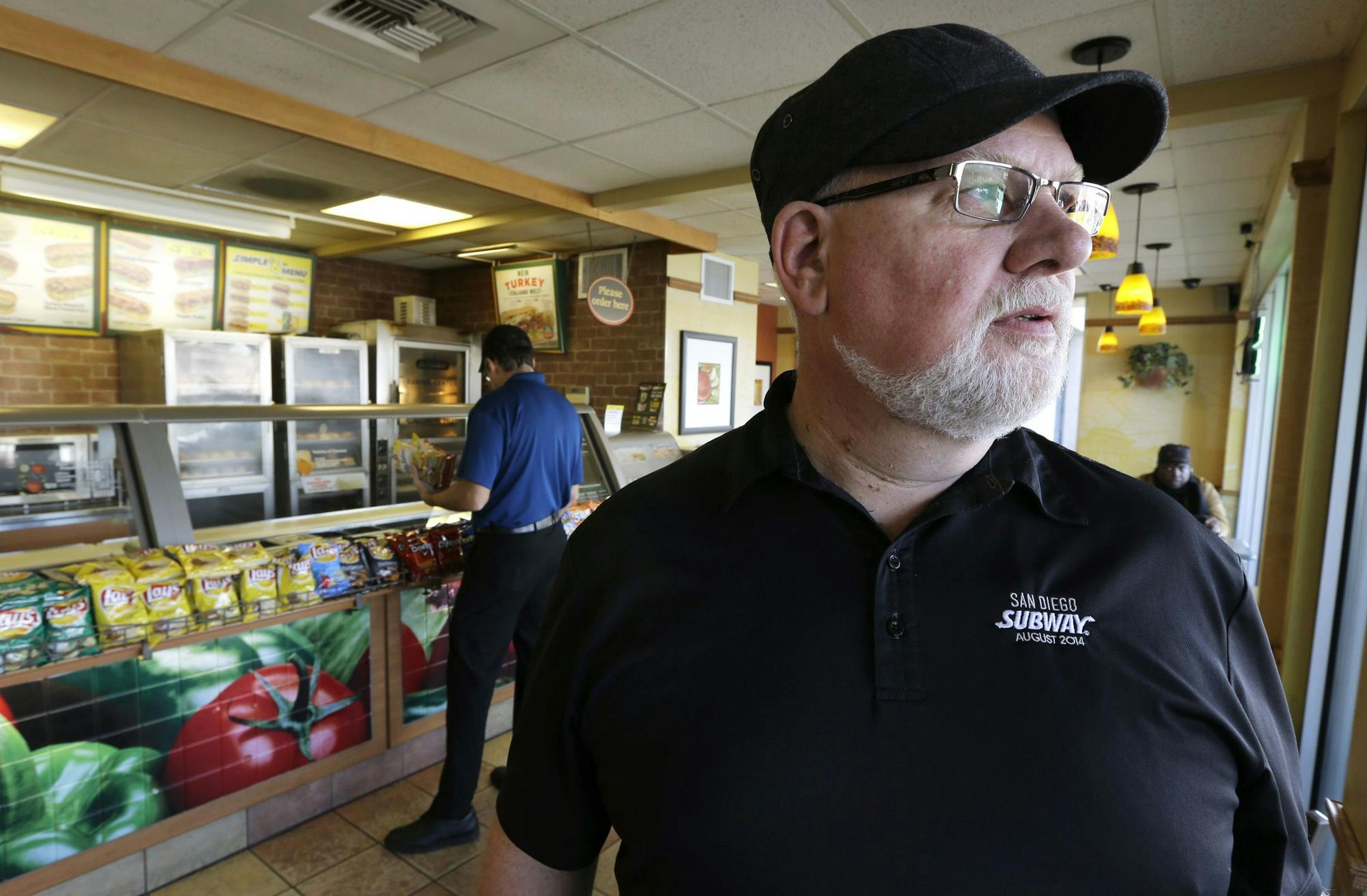
David Jones, who owns two Subway sandwich franchises in Seattle, will need to raise prices 4 percent to cover the first increase, which lifts the minimum to $10 for small businesses and $11 for large businesses. He pays his combined staff of 18 $10 an hour.