

It's not often that politicians get the chance for a "do-over."
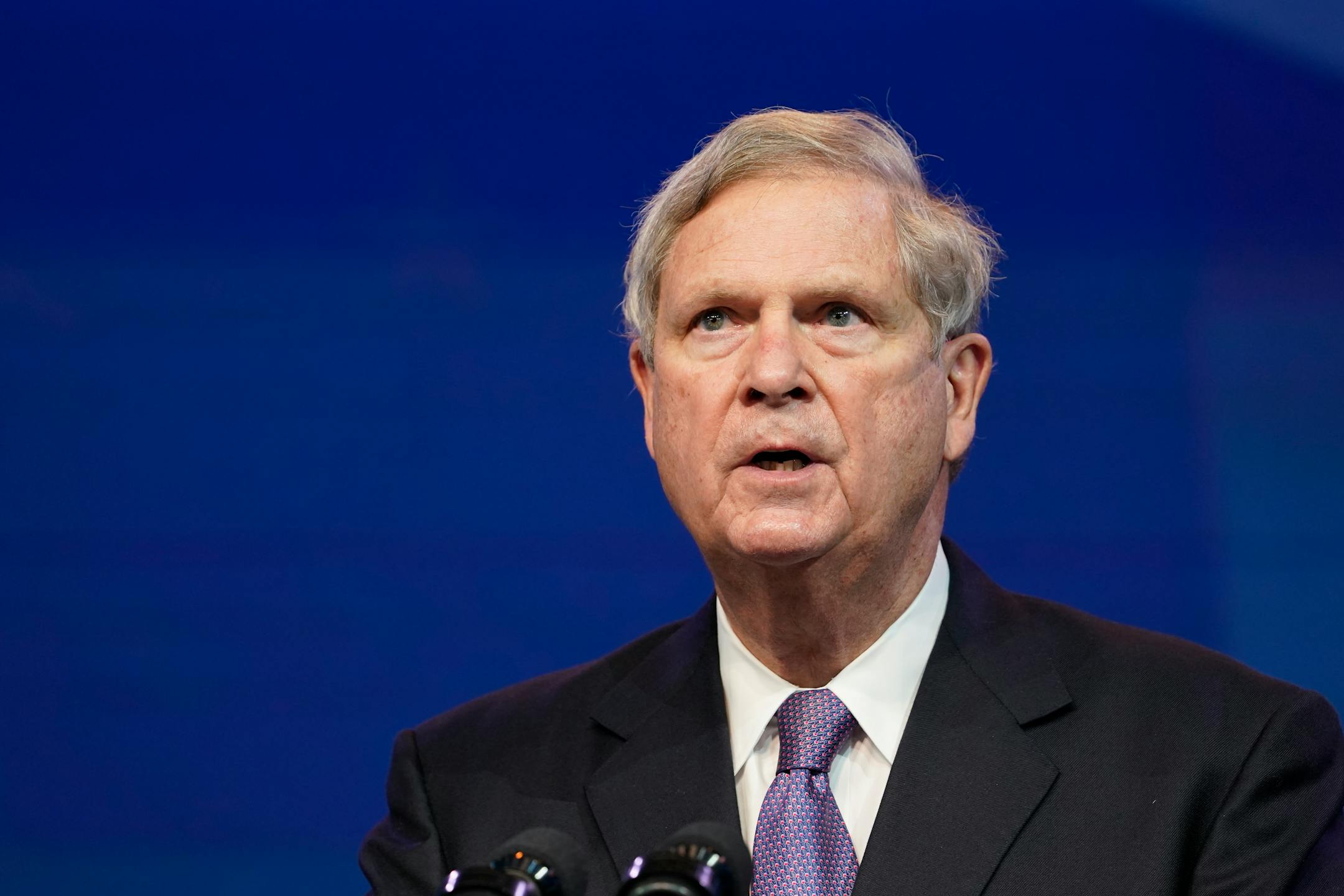
Yet this is happening with President-elect Joe Biden's nomination of Tom Vilsack as secretary of agriculture, the same position the former Iowa governor held during the Obama administration.
The choice of Vilsack to lead the USDA can be read as part of Biden's effort to show continuity with the Obama years. But the problems that Vilsack struggled with during his first stint as agriculture secretary, from corporate concentration to racism, have not gone away. The incoming secretary must also confront serious food and farm problems that the Trump administration has left unaddressed.
Specifically, while it's true that farm earnings rose in 2020, that's largely because government subsidies constituted about 40% of farm income this year. "If not for those subsidies," The New York Times reported, "U.S. farm income would be poised to decline in 2020."
Farmers find themselves in this situation, in large part, due to the failure of processors to adapt to the changing consumer habits that the coronavirus pandemic created. The USDA's response was to launch the "Farmers to Families Food Box" program, using the government as an intermediary to get food from producers to consumers. This effort received mixed reviews for favoring large-scale operations and dropping Black farmers.
While laying the blame on Trump for these challenges is not entirely fair, he did make matters worse for farmers by initiating a trade war with China; afterward, his administration had to bail out farmers to make up for China's retaliatory tariffs.
Meanwhile, instead of making markets more competitive for farmers, the Trump administration nixed provisions — the GIPSA (Grain Inspection, Packers and Stockyards Administration) rule — from the 2008 Farm Bill that would have helped producers hold processors accountable for unfair and discriminatory practices.
Basically, Vilsack has his work cut out for him.


