

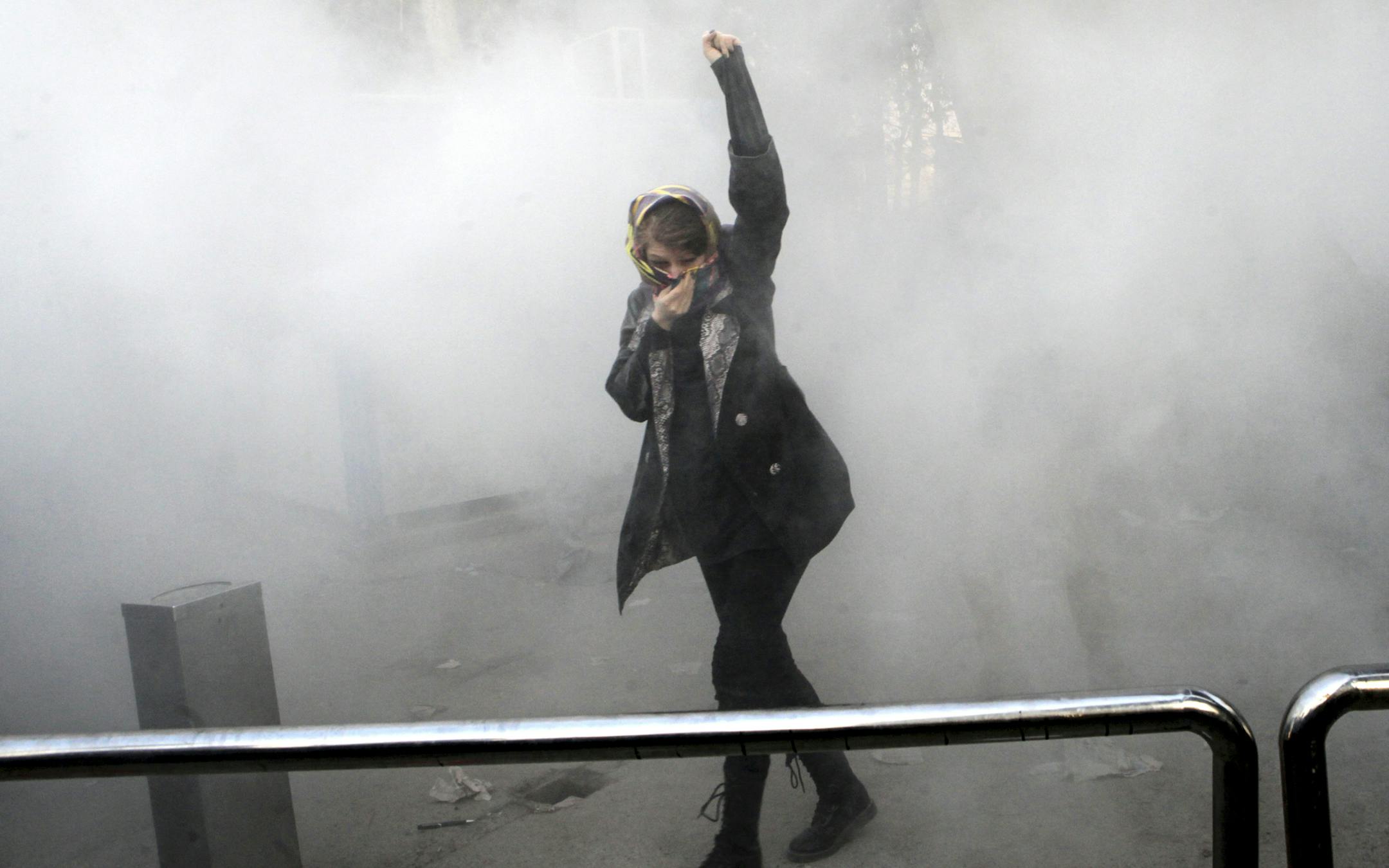
If you want to understand what has provoked days of protests in Iran and where they might be heading, I have some suggestions.
To truly comprehend the situation, you need to look beyond the headlines.
Since there are very few Western correspondents in Iran, you can find the richest trove of video and fresh information on Twitter (just not @realDonaldTrump). Check out the inimitable Carnegie Endowment fellow Karim Sadjadpour (@ksadjadpour); intrepid Iranian-born journalists Maziar Bahari (@maziarbahari), Farnaz Fassihi (@farnazfassihi) and Borzou Daragahi (@borzou); the Brookings Institution's Suzanne Maloney (@MaloneySuzanne); and human-rights activist Gissou Nia (@GissouNia).
To summarize their observations: These protests began with working-class youths in eastern Iran and have spread to Tehran and a host of smaller cities, including provinces inhabited by Kurdish and Arab ethnic minorities. The unrest reflects the economic and social woes of Iran's younger generation. But the demonstrations are leaderless and disconnected; they won't lead to a change of regime, and if they turn more violent (or grow bigger), the regime will surely crush them.
There are things the West can do to warn Tehran off a violent crackdown. But a U.S. withdrawal from the nuclear accord with Iran and restoration of sanctions — both of which the president is mulling — would shift Iranians' blame for their economic troubles to the United States.
To understand the frustrations driving the young, working-class Iranians who began the protests, I recommend reading Shahram Khosravi's "Precarious Lives: Waiting and Hope in Iran," published by the University of Pennsylvania Press. (A shorter version appears in the December 2017 issue of Current History.)
Whereas the Iranian revolution once claimed to champion the dispossessed, the poor are now considered a burden. The social safety net has shrunk due to falling oil prices, international sanctions, inflation, corruption, and reduced subsidies to the poor.
In 2015, official Iranian sources reported that 40 percent of the population lived below the poverty line, and unemployment among those 20 to 24 years of age was 25 percent (and some analysts say youth unemployment may reach 40 percent).


