
How to plan a Caribbean getaway in a time of travel chaos

The military operation in Venezuela disrupted vacations. Here are tips for buying travel insurance and protecting your trip.

The New York Times
January 13, 2026 at 4:30PM
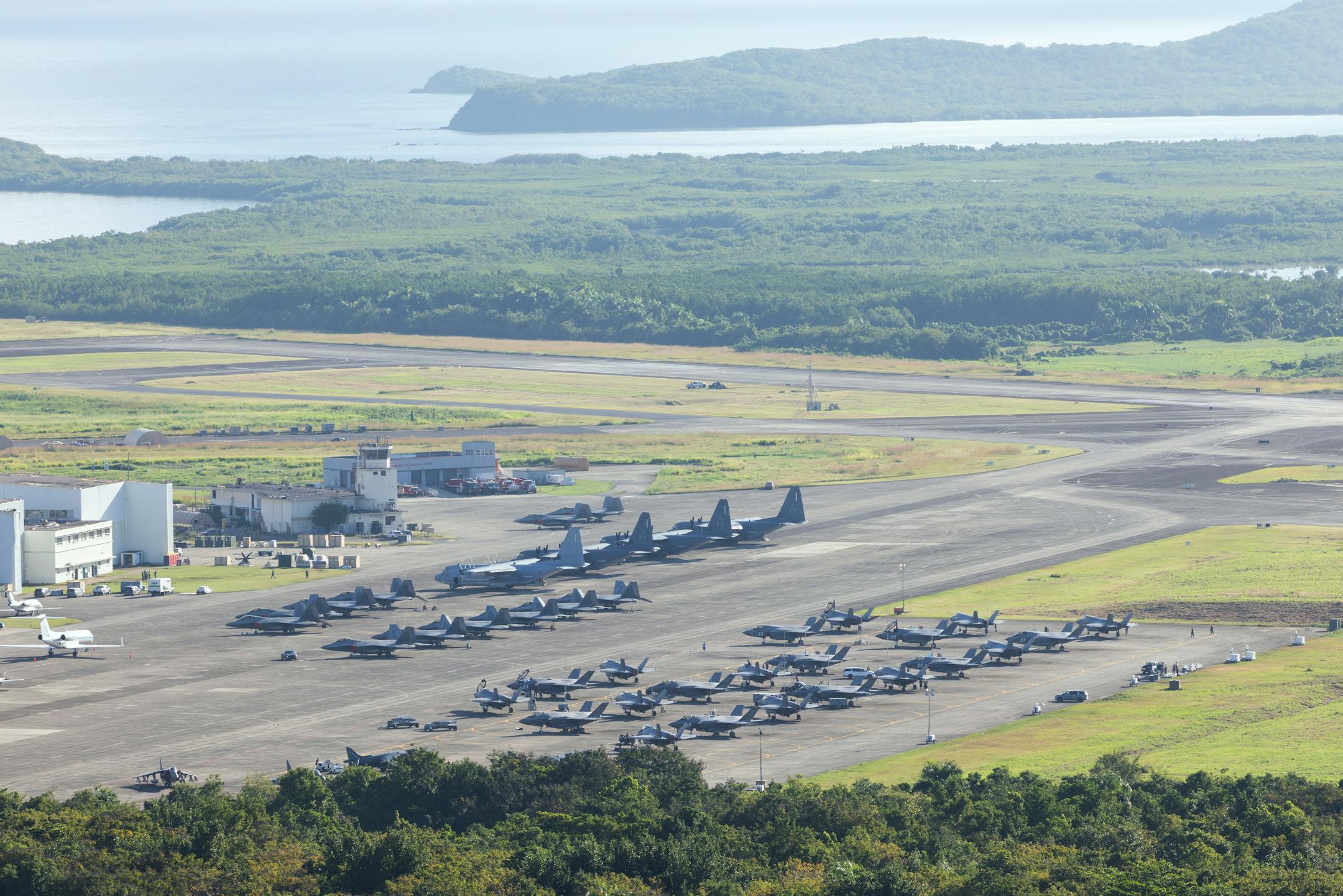
U.S. military aircraft are parked on the tarmac at Jose Aponte de la Torre Airport in Ceiba, Puerto Rico, on Jan. 3. (Alejandro Granadillo/The Associated Press)

Thousands of travelers found themselves stuck in the Caribbean this month after the U.S. military operation in Venezuela on Jan. 3 forced widespread flight cancellations.

About 60% of all flights destined for three popular Caribbean airports — in San Juan, St. Thomas and Aruba — were canceled that day, according to FlightAware.

Many more with upcoming travel plans during peak Caribbean vacation season are no doubt watching the situation anxiously. Should they go? And if they do, how can they protect themselves and their money in case tensions erupt again?

More than a few are betting on travel insurance.

Hopper, a popular travel app, reported a 67% jump in purchases of “flexible booking services,” its version of insurance, since U.S. forces raided Venezuela and captured its president, according to Lindsay Schwimer, a spokesperson.

But if future military action in the region causes another round of disruptions, standard travel insurance may not protect you. U.S. engagement with Venezuela is already a “known event,” said Suzanne Morrow, the CEO of InsureMyTrip, a brokerage firm and comparison website for travel insurance. That means if you didn’t get your policy before Jan. 3, buying it now won’t help.

“That’s sort of like you run into a tree and now you want to buy car insurance,” she said.

Still, you do have options to protect an upcoming trip to the Caribbean. Here are some tips.

Consider ‘cancel for any reason’

President Donald Trump has raised the prospect of further military action in the Caribbean, with recent threats to Colombia and Cuba. If you’re planning a trip to the region, consider your insurance options carefully. You’ll often pay between 4% and 10% of the total trip cost for coverage.

Standard travel insurance often excludes coverage for disruptions related to military activity. But some insurers sell add-ons, including “cancel for any reason” policies, that are available only to those who buy coverage within the first two weeks of booking the trip.

That option could protect you in the event of further military activity, but it comes with caveats. Most CFAR policies require that you cancel at least two or three days before your scheduled departure, according to the insurance company Progressive. And those policies, which can increase your premium by 40%-50%, usually reimburse only 50%-75% of your nonrefundable expenses, according to the travel insurance marketplace SquareMouth.

Another option to consider is “interrupt for any reason” insurance, which does the same things as CFAR but for a trip that’s already underway. The insurance provider Seven Corners says this type of plan can add 3% to 12% to your coverage costs, though it would not cover the extra expenses of stranded travelers who had to stay longer than planned.

When buying any policy, read the fine print closely, and call your insurer with questions if the terms are ambiguous.

Choose refundable options

Even if you buy insurance, you can protect yourself further by purchasing refundable or changeable plane tickets and hotel reservations. Just make sure you do so for all your major trip components: Being able to change the dates of your hotel stay doesn’t do much good if your flights are locked in place.

For maximum security, make those reservations directly through airlines or hotels. Booking with an online travel agency like Expedia or through your credit card may severely limit the flexibility of your plans, since you must make changes via a third-party customer support system, and your airline or hotel might not be able to help.

Fly with a foreign airline

During this month’s travel disruptions, the Federal Aviation Administration’s flight restrictions applied only to U.S. civilian aircraft, so some non-U.S. airlines were able to continue flying. Caribbean Airlines, for example, said its operations were unaffected. Major international carriers that serve the Caribbean include Air France, Air Canada, British Airways and Copa Airlines.

Connecting in another country could help for similar reasons. During the disruption, Air Canada Rouge, a low-cost subsidiary of Air Canada, continued flying to and from Caribbean destinations that were off-limits to U.S. passenger jets.

Give your cruise some room

Most experts recommend arriving in your departure city at least one day before a cruise begins to ensure you can make it onboard if your travel plans are disrupted. You might as well give yourself an extra buffer, given the uncertainty. If you’re taking a cruise in the Caribbean anytime soon, get there two days early, or three, and spend some time seeing the sights on land, too.

Get creative

Life in paradise isn’t cheap. That’s why getting stuck there can mean blowing your budget for accommodations, meals and more. The path to reimbursement for these expenses begins with keeping every single receipt.

Most insurers will tell you to start by filing a claim with the airline, Morrow said.

The airlines’ customer service agents are naturally going to be overwhelmed as travelers clamor for help. So try something different. When Susannah Ray, a New York high school teacher, got stuck in Barbados this month, she found she couldn’t reach JetBlue by phone and instead contacted the airline via Facebook Messenger. There, an agent — she wasn’t sure if it was human or AI — helped her rebook.

If your airline refuses to reimburse you — keep in mind that carriers are only on the hook for disruptions within their control — the next step is to submit a claim to your insurance.

It’s worth being persistent, even if the initial answer is no. But remember to keep your cool. Customer service agents have rules they must follow, but they also often have some leeway to determine how those rules are applied. A friendly attitude can go a long way.

Ultimately, if you don’t have insurance and your airline won’t reimburse you, you may be out of luck. “There’s really nowhere else to go,” Morrow said.

about the writer

about the writer

Gabe Castro-Root

The New York Times

More from Travel

See More
card image
Alejandro Granadillo/The Associated Press

The military operation in Venezuela disrupted vacations. Here are tips for buying travel insurance and protecting your trip.

A picturesque Asheville, North Carolina, neighborhood in autumn. (Rod Gimenez/Dreamstime/TNS) ORG XMIT: 91551612W
card image