

As a board-certified emergency physician who worked in Minneapolis-area emergency rooms for many years, I have witnessed the damage that opioids have afflicted on too many Minnesotans and their families.
Over the past six years, as the founder and CEO of Vireo Health, one of Minnesota's licensed medical cannabis companies, I have had the privilege of helping thousands of patients across our state replace their often dangerous opioids with safe plant-based cannabis medicines.
Since its founding in 2014, Minnesota's medical cannabis program has evolved and adapted to better suit the needs of patients. I applaud these important changes, such as adding new qualifying conditions like Alzheimer's disease, sickle cell disease and chronic pain, among others.
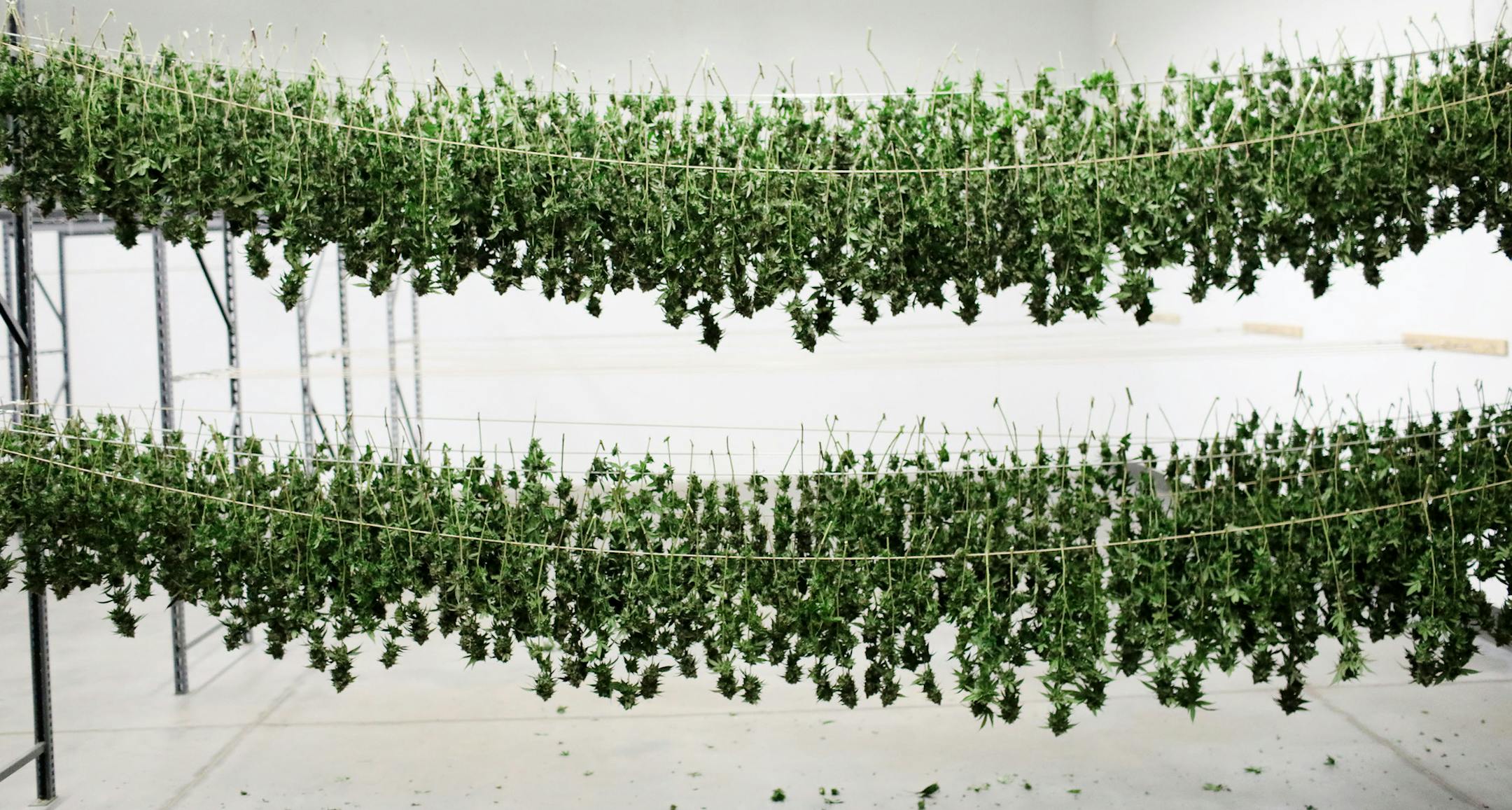
However, steps must be taken to improve and grow the state's medical cannabis program by making it more affordable and accessible for Minnesotans. The fastest, most effective way to achieve this goal is to reduce the cost of medical cannabis by allowing it to be sold in its most natural state — as dry flower.
Allowing cannabis flower would greatly benefit existing patients, bring new patients into the program and ensure the future viability of Minnesota's medical cannabis program.
While voters are more evenly divided on the idea of recreational cannabis, polls show that more than eight out of 10 Americans now support the medical use of cannabis. Voters, politicians and advocates can all agree on the safety and benefits of medical cannabis as compared to the irrevocable damage caused by the opioid epidemic. In 2019, opioid overdoses hit a tragic record high with 428 confirmed deaths of Minnesotans. In that same year, zero died from a cannabis overdose.
The single most important argument for adding cannabis flower is that it will drastically reduce the cost for patients. Many Minnesotans cannot afford the current cost of medical cannabis, which is $250 a month on average and is not covered by medical insurance. Estimates show that allowing cannabis flower would reduce the average patient cost by nearly 50%, which would substantially improve accessibility and participation in the program.
Today, only 0.6% of Minnesota's population is enrolled in the state's medical cannabis program — creating high costs for patients and no economies of scale for Minnesota's licensed cannabis producers. In states that allow smokable cannabis flower, such as Maine (4.8%), Arizona (3.1%) and New Mexico (3.9%), participation in the program is far more robust. Higher participation rates help to ensure the programs in those states are more accessible and affordable for patients and can create more tax revenue.



