

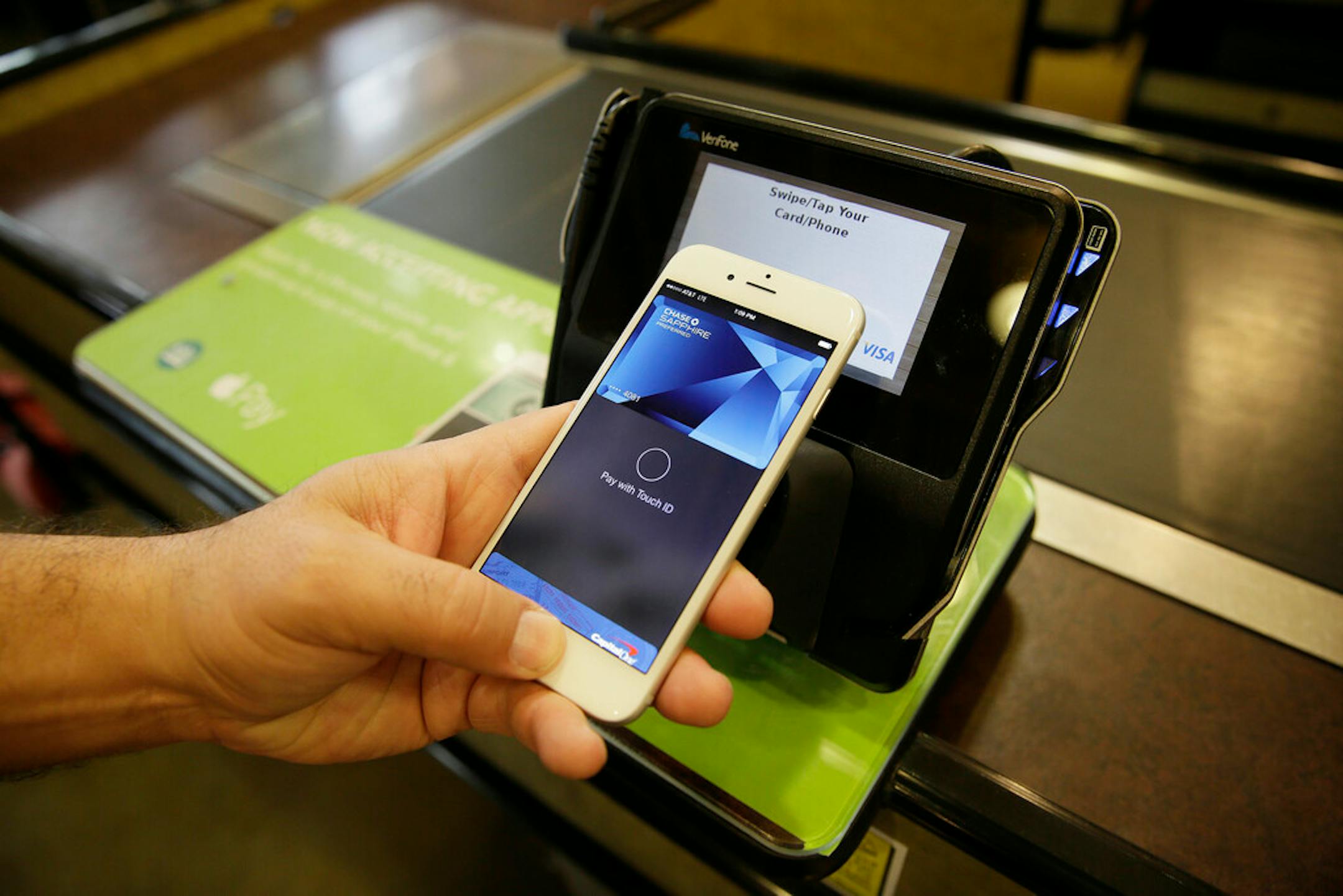
More Americans are shifting to digital payments amid the pandemic. But for some consumers, contactless payments also come with added overspending risks.
"When you are used to a cash-based spending system, it's extremely easy to overspend when you don't physically 'see' yourself spending the money," said Eric Simonson, certified financial planner and owner of Minneapolis-based firm Abundo Wealth.
If you are increasingly turning to digital payments because of the pandemic but you also want to make sure to avoid debt, here are some strategies:
1. Pay off your credit card balance each month. Avoiding rotating balances is a good goal because credit card debt is so expensive.
"It's important for those making a transition to credit cards to understand the Sisyphean challenge of getting out of credit card debt," said Sam Boyd, a certified financial planner and senior vice president of Capital Asset Management Group, a financial-planning firm, citing the generally high interest rates on credit cards. They are typically 16% or higher.
Treat your credit card like a debit card, and try not to charge more than you can afford to fully pay off in one billing cycle. One way to guard against it is to pay off purchases immediately after you make them, rather than waiting until the end of the month.
2. Give yourself limits. Simonson suggests setting a low credit limit on your credit card if you are worried about overspending. "Set your credit limit for just above what you normally spend each month on groceries," he advises.
The downside to doing that is that using more than 30% of your credit limit can hurt your credit score. But the strategy does help keep you from overspending.



