

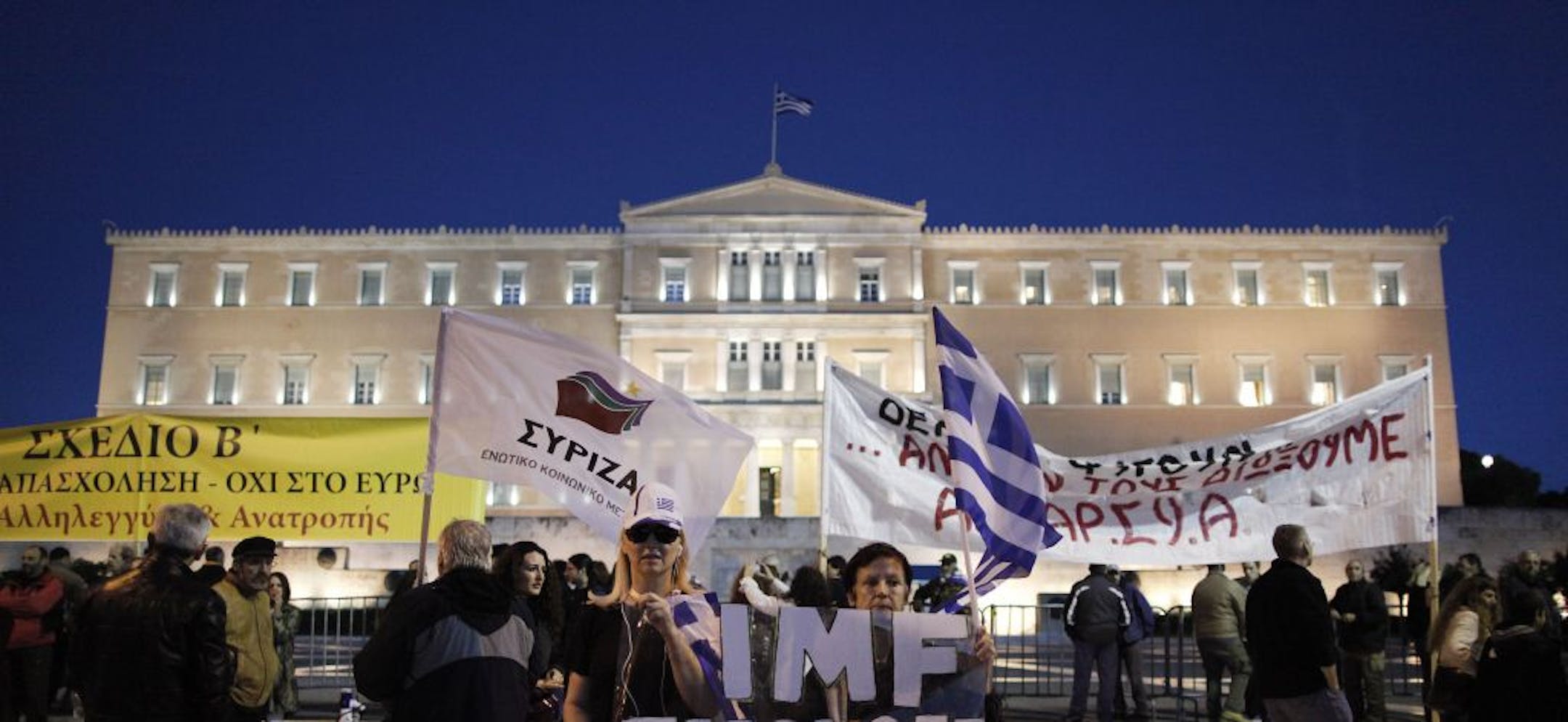
A general strike, protesters on the streets, parliamentary battles over the austerity measures needed to unlock rescue funds and a sinking economy with an ever-bigger debt burden. The situation in Athens last week was grimly familiar, and not only because Greece has had so many similar weeks during the past couple of years.
There also are eerie echoes of the developing-country debt crises of the 1980s and 1990s. The experience of dozens of debt-ridden countries in Latin America and Africa holds lessons that Greece's rescuers ought to heed.
For years the International Monetary Fund and rich-world governments tried to help them with short-term rescue loans. The most indebted started to recover, however, only when their debts, including those owed to official creditors, were slashed. In Europe, Poland also provides a precedent: Its economy took off in the 1990s after it, too, was given a break by its creditors.
Greece is in the same boat. The country's parliament passed its 2013 budget on Sunday, ensuring a fresh infusion of rescue funds that likely will stave off imminent catastrophe. Greece's economy won't recover, however, until it has debt relief. That should involve, broadly, a two-part process: First, agree on a plan to reduce debt if certain targets are met, then cut the debt in stages during the coming decade.
The starting point is that Greece is still bust. Earlier this year private-sector bondholders reduced their nominal claims by more than 50 percent, but that deal did not include the hefty holdings of Greek bonds at the European Central Bank, and it was sweetened with funds borrowed from official rescuers.
For two years those rescuers had pretended that Greece was solvent and provided official loans to pay off bondholders in full. As a result more than 70 percent of the debts are now owed to "official" creditors -- European governments and the IMF.
Their chances of repayment are sinking with the Greek economy. Government forecasts now suggest that the country's debt will exceed 190 percent of GDP in 2014, 30 percentage points higher than the IMF predicted only six months ago. This debt burden cannot fall to a remotely sustainable level without additional relief.
In private, many Europeans admit this. In public they deny it categorically.



