
How to eat nutritiously on a budget

Tips to stretch your food budget and still eat well

Next Avenue
August 6, 2025 at 10:30AM
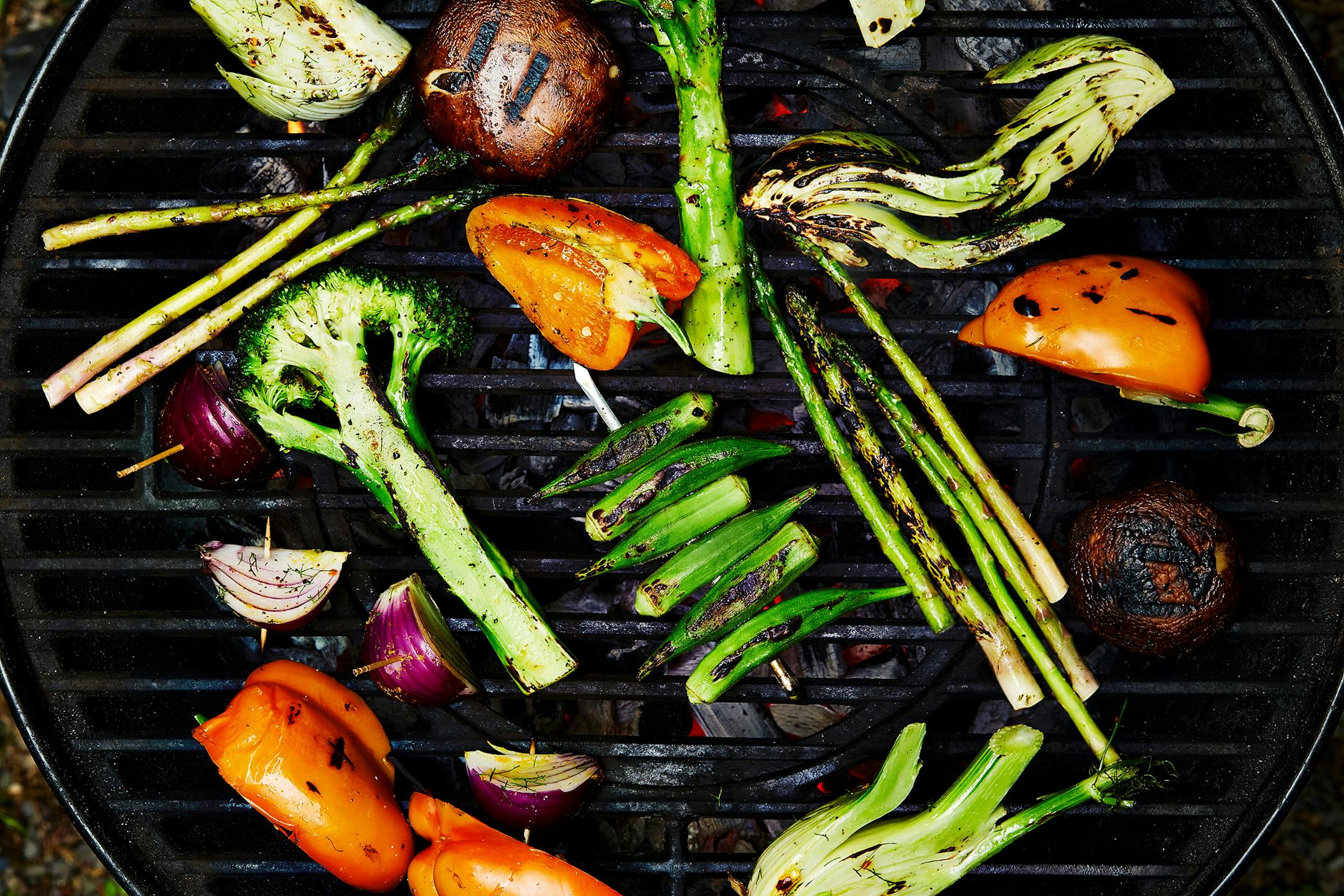
When it comes to eating on a budget, it's best to get back to basics: Fiber and protein. (Armando Rafael/The New York Times)

Food insecurity isn’t new. There have always been people who struggled to put food on the table. But what’s changed is how many people are affected, who they are and where they are.

According to Dr. Linda Shiue, director of culinary and lifestyle medicine at Kaiser Permanente in San Francisco, it’s more than food insecurity though – it’s nutrition insecurity. Even when food is available, it might not be food that nourishes you.

Eating well and being nutritionally secure is vital, and people who find themselves in a situation where they need help to eat have nothing to be ashamed of, she says. What can we do if we find ourselves struggling to eat well?

Articles and experts tout the latest and best healthy eating approaches, but when it comes to eating well on a budget, it’s best to get back to basics, says Megan Wroe, wellness manager and registered dietitian at Wellness Center at Providence St. Jude Medical Center. Simple meals that focus on fiber and protein are easier to put together than complex ones that require many steps and ingredients. “We can do a lot with a small budget if we’re focusing specifically on fiber and protein foods. But it does take some willpower and adjustment,” she says

Christina Zola Peck, who lost her job in March, agrees. She prepares meals for three adults — her husband, a 22-year-old who still lives at home and herself. “You have to retrain your palate to like real food,” she says. “You have to stop assuming that everything is supposed to taste like what comes out of a box or a crinkle bag, because real food doesn’t.”

Shop smart and plan ahead

Processed foods are formulated to make you want more. These foods are often high in sugar, which result in your sugar levels plummeting not long after you eat, making you crave more. So changing your taste expectations not only helps your budget, it can improve your health.

Meat, something many of us grew up thinking had to be on our dinner plate, is expensive. Alternatives can be much more affordable, stretching your food dollar further. "Plant-based foods, including proteins like beans, other legumes and tofu, are much less expensive than meat overall and also better for health," Shiue explains.

Healthy cooking and eating don’t have to be boring. If you’ve never cooked with beans, rice and other similar staples, you might be hesitant, thinking that they’re hard to cook or they won’t taste good. There are many recipes online if you want to be creative, but these foods also make good basic meals that you can dress up with something as simple as an herb. You could buy herbs or start an herb garden on your window sill.

“Herbs add a lot of flavor and a lot of nutrition,” Wroe says. “About two tablespoons of fresh herbs are nutritionally very similar to about a half a cup of a leafy green – so two tablespoons of cilantro is just as nutritionally beneficial as about a half cup of spinach.”

Planning ahead and food buddies help you shop smart. A good food plan is a roadmap to better eating. Menu plans help control food costs and food waste because you can focus on foods that are in season or on sale. And importantly, a plan helps cut down on impulse buying. Peck has a weekly plan to keep her on track. “I only buy what’s on the list and I arrange the menu so it has as few expensive items as possible.”

She also belongs to a local CSA (community supported agriculture), which provides her with fresh produce from June through October. She supplements that box with other purchases or her own home garden.

Sharing food

Peck says that if you’re single, a CSA basket might be too much, but you could split one with a neighbor or friend. The same goes for bulk purchases from the big box stores. They often offer bulk supplies cheaper than local stores and staples like rice, oats and beans can store well.

A food buddy (or a group of people) can help reduce costs in other ways too. Are peaches or avocados on sale but you know the whole bag will ripen too quickly? Share the bag with someone. You could even start a cooking group. Get together with some friends and neighbors to cook one huge meal and you all take home portions for you and your family. There might already be a community cooking kitchen in your area.

Don’t ignore frozen and canned vegetables. Some people don’t buy frozen vegetables because they might remember when the products were less than ideal. But that’s not the vegetables’ fault. It’s how you cook them that makes the difference. They’re packed with nutrition, they give you a wide variety of vegetables to choose from no matter the time of year, and they’re convenient to use. “Frozen vegetables are frozen at peak, so you don’t lose any nutrition there,” Wroe explains. “There are really cool things you can do with frozen vegetables that don’t make them taste like mush. Frozen vegetables are great roasted, in casseroles, or even in a stir fry.”

Canned vegetables are nutritious too and often on sale or in your local dollar store. “I wouldn’t ever discount places like dollar stores,” Wroe says. “They actually can have some really excellent food items.” If you’re worried about salt, you can rinse the vegetables before cooking, or you can look for low-salt or no-salt-added products.

Minimize food waste. Planning ahead does minimize food waste, but often you still might find yourself with leftovers that are getting close to the “best by” date or your local store may be selling older products at deep discounts. A little creativity can go a long way with these. When Peck finds that she hasn’t used all her CSA produce before it starts to wilt, she gets to work. “I’ll sauté up onions, spinach and mushrooms and freeze them,” she says. “I call that my brunch block and I throw that in an omelet on the weekend. It’s easy, and I haven’t wasted that food.”

If omelettes aren’t your thing, frozen blocks of cooked vegetables would make great additions to tomato sauces, soups or casseroles.

Local connections

Use community resources. Needing help to eat healthy food is nothing to be ashamed of, but no one will know you need help if you don’t speak up. Nonprofit organizations often run food pantries or offer meals; in Minnesota, Second Harvest Heartland has a help line for food aid. Applying for any government aid you may qualify for is also important.

Look around for local groups too. “There are lots of ways to find groups in your community,” Shiue says. “There are many virtual, online local community neighborhood groups. Nextdoor is a popular one that’s used here where you can sign up by neighborhood." Facebook also has thousands of local Buy Nothing groups where people give away and receive items including groceries.

“And there are community gardens," Shiue adds.

The Minnesota State Horticultural Society keeps a map of community gardens around the state.

Make eating fun again. It can be stressful trying to put together a meal for just you or for a family, but you can reduce the anxiety by going back to basics. “Rice and beans are a complete meal,” Peck says. “If you add in some sort of vegetables in there, you’re good.”

And don’t forget about friends and neighbors. Shared food and shared meals can nourish your soul as well as your body.

about the writer

about the writer

Marijke Vroomen Durning

Next Avenue

More from The Good Life

See More
card image
Scott McIntyre/The New York Times

WalletHub study puts Midwestern states in the top 5 based on health, safety, cost of living.

card image
FILE - This Wednesday, May 30, 2007, file photo shows a cable box on top of a television in Philadelphia. Cable boxes may not be very exciting, but theyíre emerging as a new battleground over the future of TV. Technology companies and the government want to open up the boxes to new services and programming. Cable companies want to keep control in their own hands. The outcome could affect what you pay for television and whether youíll still need to clutter your entertainment center with