

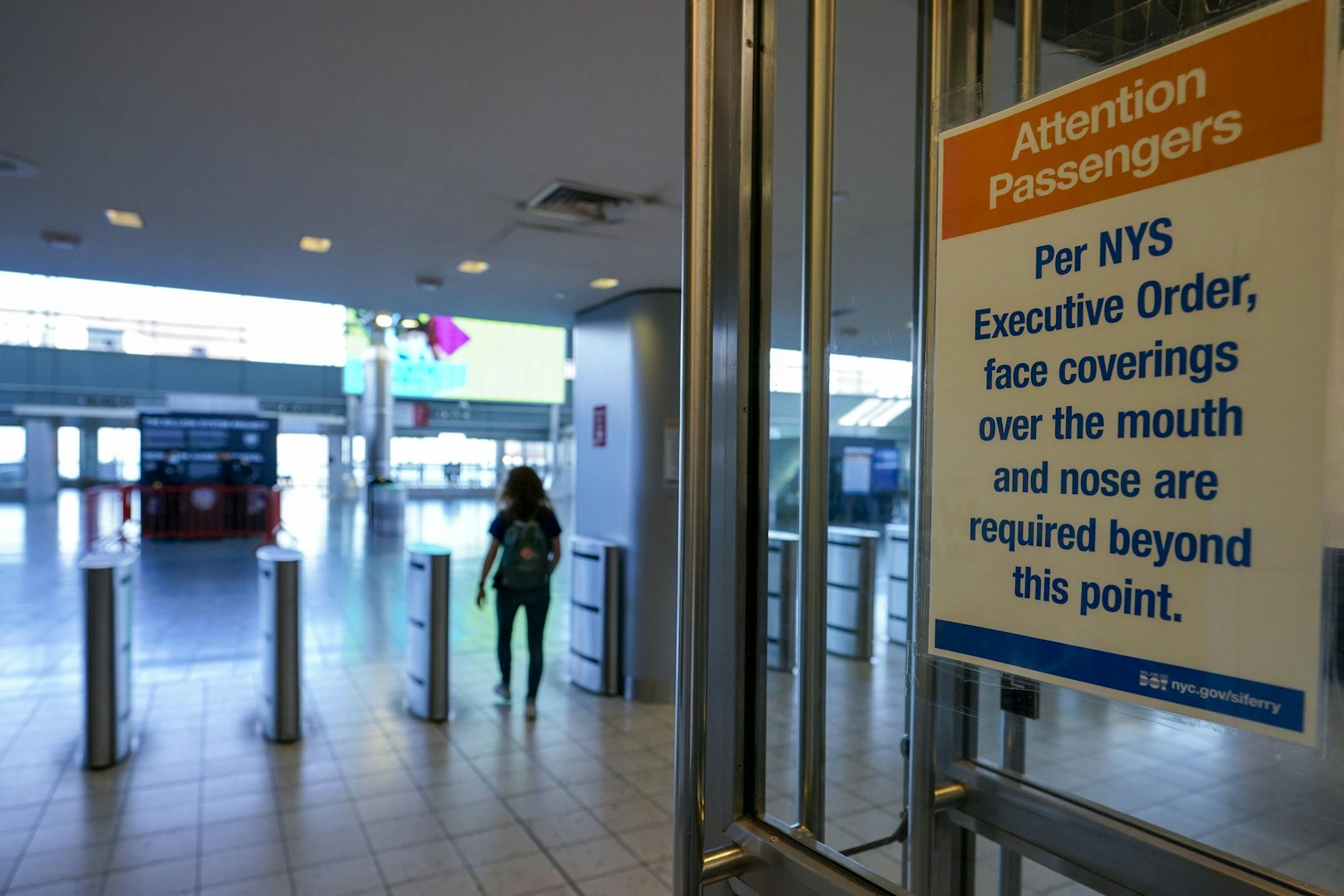
COVID-19 cases are up around the country, even in places that had low rates over the summer. In response, many states have increased restrictions and emphasized the need to prevent transmission. People are not listening.
Families continue to make Thanksgiving plans. Large gatherings are continuing despite the warnings. This is happening outside of the United States, as well. There's a phrase for this: "pandemic fatigue." People are tired of changing their behavior because of the coronavirus.
None of this should be surprising. People are often reluctant to do things they might find unpleasant to improve their health. The American government spends millions of dollars every year to educate the public about a healthy diet, for example. And yet most of this advice is ignored.
In my own work, I find little evidence of people changing their diet despite getting a diagnosis of diabetes. The same pattern occurs with infectious diseases. Even at the peak of the HIV epidemic, before widespread treatments were available, data from several countries in sub-Saharan Africa showed limited reductions in risky sexual behavior.
It is even more difficult to get people to make changes for the health of others. One of the reasons we struggle to get full cooperation with vaccinations for flu or childhood illnesses is that the benefits are mostly to public health. Childhood vaccination resistance can be overcome, but mostly when it is linked to school attendance, as California's recent experience in improving vaccination rates for measles has shown. When we have to rely on individuals to make good private decisions for the sake of public health, behavior change is elusive.
Stemming the spread of COVID-19 requires exactly this — a change in private behavior. The virus is being spread in informal settings like parties, sleepovers, dinners in people's homes. The spread has accelerated in recent weeks, as colder weather has moved more social gatherings indoors.
When the problem is private spread, many public health levers are no longer useful. City and state officials can lower restaurant capacity, but that won't matter if people are getting takeout and gathering with acquaintances elsewhere.
So what is the answer? I wish there were a magic bullet for behavior change, but there isn't. We have to recognize the futility of relying exclusively on our current approaches, and then look for something new.


