

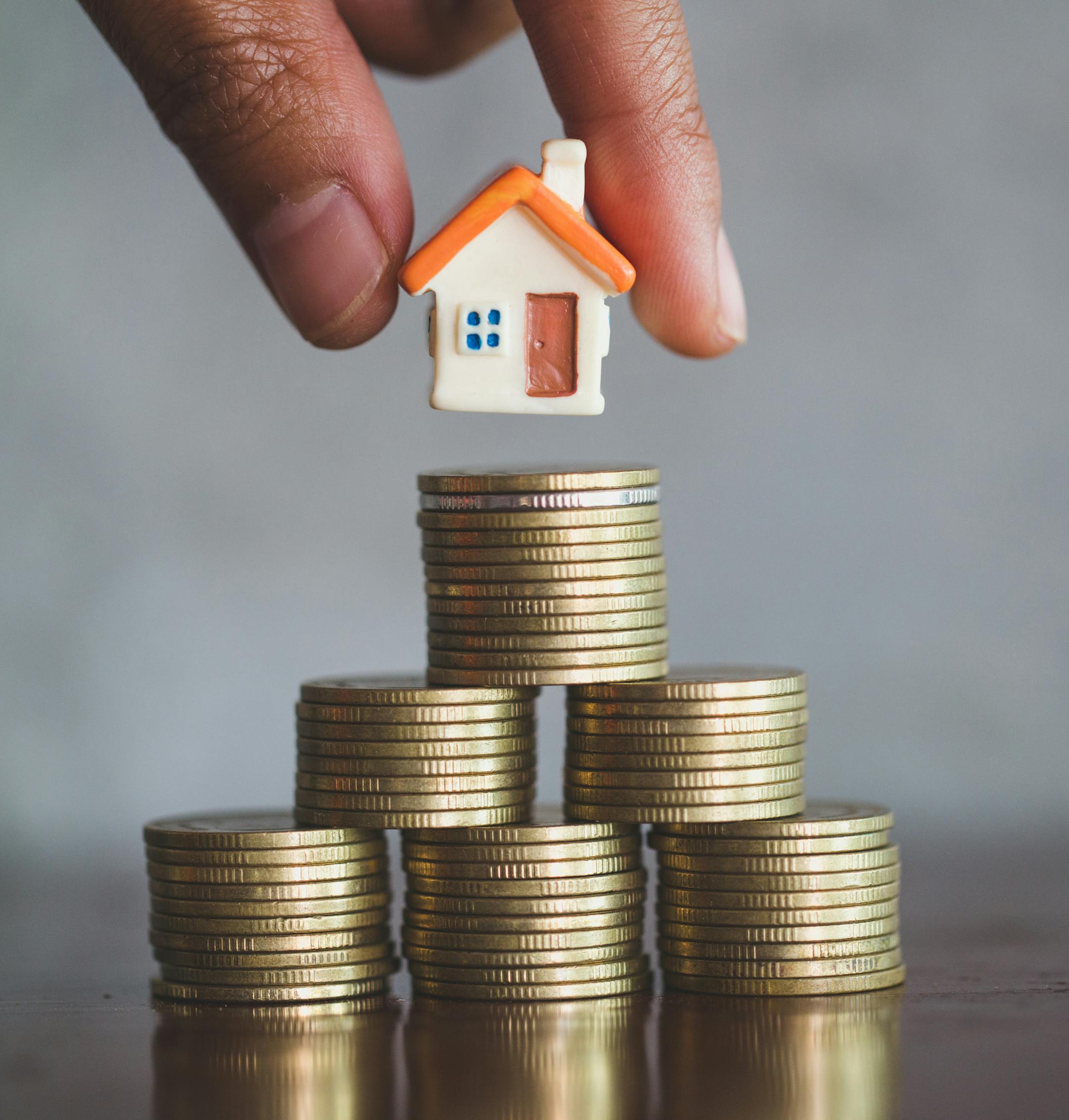
While buying a home can be a sound investment, it can also become a financial burden. Here's how to think about your housing budget so that doesn't happen to you.
Someone who is house poor spends so much of their income on homeownership — such as monthly mortgage payments, property taxes, insurance and maintenance — that there's very little left in the budget for other important expenses.
Being house poor can limit your ability to build up retirement or other savings, pay off debt, travel or enjoy life.
In fact, 28% of recent home buyers said making their monthly mortgage payments will be among their biggest money stressors for the next two years, according to the NerdWallet 2021 Home Buyer Report.
Before shopping for a home, it's important to figure out how much house you can comfortably afford, which may be a different number from the maximum mortgage you can get approved for.
"Home affordability calculators are definitely a good starting point for helping to determine your housing budget," says Jake Northrup, a certified financial planner in Bristol, R.I. "However, they also require that you have a strong understanding of your cash flow today — what income is coming in, what expenses are going out and what amount you are saving."
One rule of thumb is that you shouldn't spend more than 28% of your gross monthly income on housing-related costs and 36% on total debts, including your mortgage, credit cards and other loans.
While the 28/36 rule is a good guideline, said Mark Avallone, a certified financial planner at Potomac Wealth Advisors in Maryland, the rule doesn't take into account the need to leave room in your budget for things such as furniture, as well as maintenance and repairs.


