
How Tex-Mex helped Mexican-American restaurant owners stay in business

The fusion cuisine can stir up debate over authenticity, but it continues to connect with certain consumers.

October 14, 2018 at 7:25PM
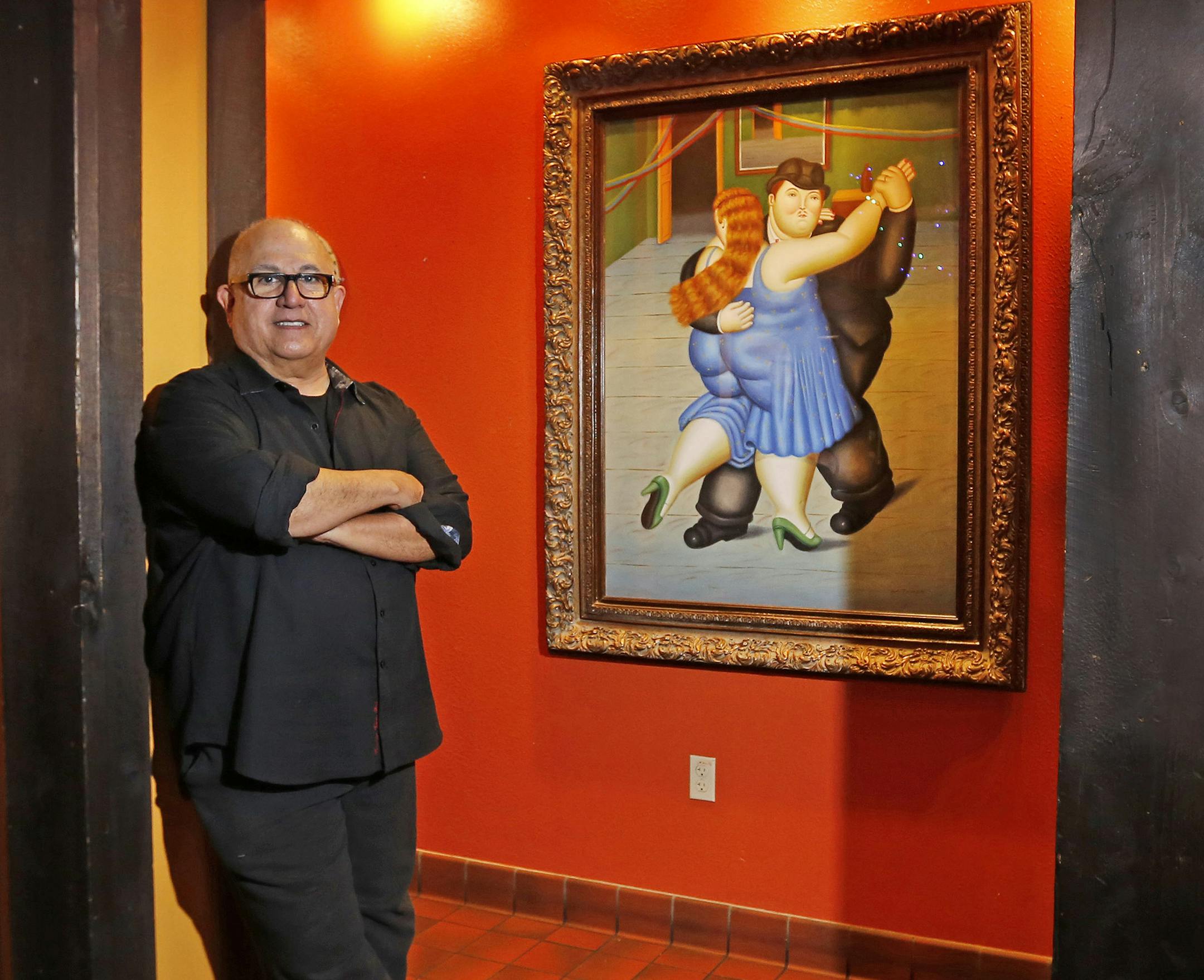
Tommy Ojeda, the son of Ben and Cecilia Ojeda, who opened Dallas Tex-Mex mainstay Ojeda's in 1969, is pictured at the restaurant on Maple Avenue in Dallas, on Tuesday, Sept. 25, 2018. (Louis DeLuca/The Dallas Morning News/TNS) ORG XMIT: 1241317
Tommy Ojeda, who parents opened a Mexican restaurant in Dalls in 1969, said Tex-Mex is no longer an acquired taste. It’s something you do weekly, if not more.” (The Minnesota Star Tribune)

Chili con carne. Yellow American cheese. Rice and beans. Queso.

Just reading those words makes you want to take off work early to grab a frozen margarita.

But if you refer to that delicious Tex-Mex you are about to dig into as Mexican food, you risk starting a debate that is about as old as Texas itself.

To some, Tex-Mex is an invention of Mexicans and Tejanos living in the southern U.S., making it one of the country's oldest regional cuisines. For others, it's a weak imitation of the many foods found in the diverse regions south of the border.

For Thomas Ojeda, son of Ben and Cecilia Ojeda, the couple who opened Ojeda's Mexican Restaurant in Dallas in 1969, Tex-Mex is what kept the family fed, sheltered and, most importantly, together.

When the restaurant opened all those years ago, Ojeda said, everyone working in it was family. His dad worked as the chef while his mom handled the day-to-day operations and the front of the restaurant.

The menu featured Tex-Mex classics like enchiladas, tamales, nachos and rice and beans, but also included American country classics like fried chicken and chicken-fried steak. Ojeda said older, white Dallas residents would come in and ask for bowls of chili con carne, unaware that it was meant to top enchiladas rather than be a stand-alone dish.

By the time he was 20, Ojeda said he had already spent about 10 years working in the kitchen with his father, who crafted the taste that put Ojeda's on the map.
"We were certainly not the first in Dallas, but it still wasn't that common," Ojeda said. "The flavors were new to the people who visited us after we got kind of famous."

At home, Ojeda said, his mom would do the cooking. She would make things like caldos, fresh beans and rice, handmade tortillas and other Mexican classics. His dad's cooking, while much inspired by Mexican food and his years working at Mexico City Cafe in downtown Dallas, was specifically watered down for mass restaurant consumption.

The flavors came from their home, Ojeda said, but his dad took those flavors and calmed them down to the palate of anyone who would be willing to visit the restaurant and try the food.

For the many Mexicans living in Texas before the state became part of the U.S., the food they were making was Mexican food — even all the way back to the time of Spanish missions between the 1600s and 1800s, said food writer and Tex-Mex expert Robb Walsh.

It wasn't until Diana Kennedy, a British writer who moved to Mexico and became one of the country's leading food experts, published "The Cuisines of Mexico" in 1972 and coined the term Tex-Mex that the label stuck, Walsh said.

The term separated what Kennedy deemed authentic regional Mexican cuisine from Tex-Mex, a food heavy on cumin, beef, cheese and mild sauces, Walsh said.

But it's the simplicity of Tex-Mex, said Regino Rojas, owner of Revolver Taco Lounge in Deep Ellum and 2018 James Beard Award Finalist, that bothers him the most about Tex-Mex.

"Tex-Mex is based on cheese and lame sauces. That's it," Rojas said. Rojas feels that Tex-Mex pioneers did a disservice to future generations of Mexican-Americans who have struggled to find acceptance in today's social climate.

Ojeda said people are now more aware about the divide between Tex-Mex and the various regional Mexican cuisines thanks to the types of restaurants that have opened up the past few years.

But he feels that Tex-Mex will always have a special place in the hearts of Dallas residents.

"These days, Tex-Mex is no longer an acquired taste. It's something you do weekly, if not more," Ojeda said. "It was a little bit of a different thing back then. You gotta eat Tex-Mex once every two weeks now or you're not eating right."

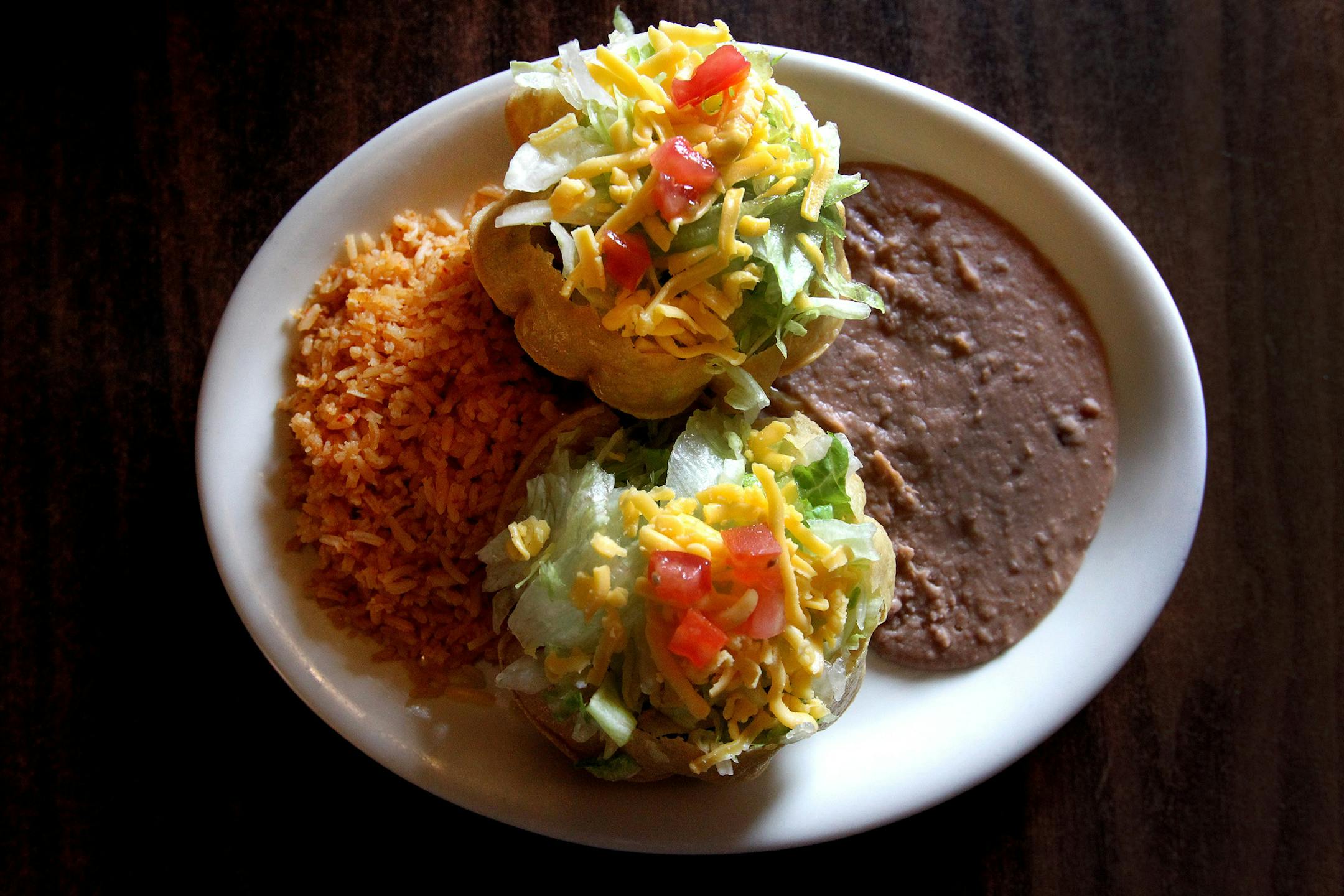
The puffed taco dinner, available at Ojeda's, 4617 Maple Ave. in Dallas. (Louis DeLucaThe Dallas Morning News/TNS) ORG XMIT: 1241317
The puffed taco dinner at Ojeda’s in Dallas. (The Minnesota Star Tribune)
about the writer

about the writer

Obed Manuel, Dallas Morning News

More from Business

See More
card image
Fairview Health Services

The school is changing an elective course while still working with the Eden Prairie-based health care giant after students raised concerns.

This transmission electron microscope image shows SARS-CoV-2, the virus that causes COVID-19, isolated from a patient in the U.S., emerging from the surface of cells cultured in the lab. (NIAID/TNS) ORG XMIT: 1659810
card image