
How secure are mobile payments?

The technology is improving, but privacy questions remain.

April 11, 2013 at 12:48AM
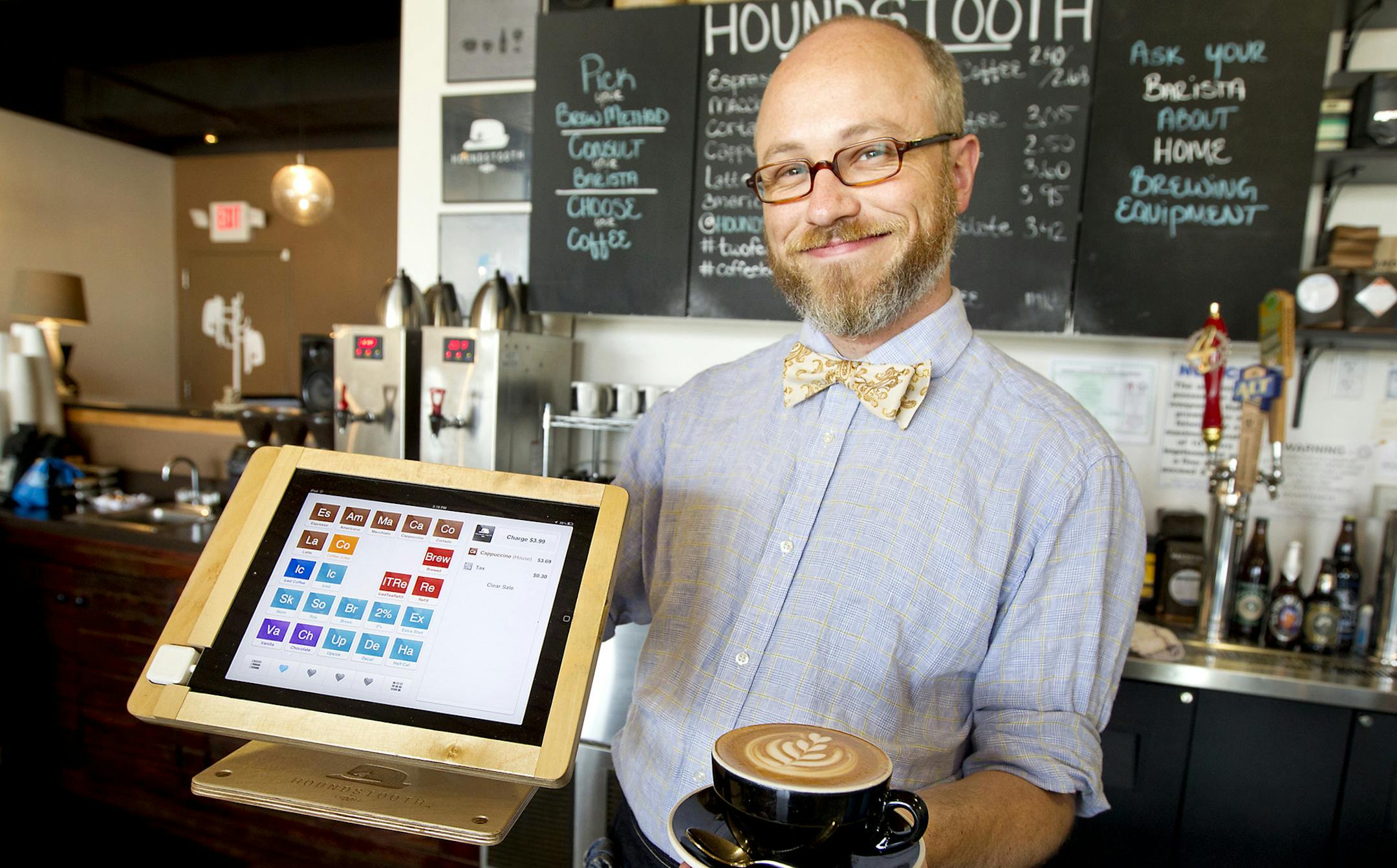
Barista Rudi Miller poses for portrait March 23, 2013, at Houndstooth Coffee in Austin, Texas, which is one of several area retailers using the Square mobile payments technology. The shop uses a swivel mounted iPad for its point-of-sale device and swivels it over to customers so they can sign for credit card purchases. (Laura Skelding/Austin American-Statesman/MCT)
At Houndstooth Coffee in Austin, Texas, baristas like Rudi Miller use a swivel-mounted iPad so customers can sign for card purchases. The shop has Square payment technology and also e-wallet software. (The Minnesota Star Tribune)

Mobile payments technology, over time, could have a profound impact on the way products are sold, bills are paid and money is transferred around the world.

But some of the experts who look at the new technology say they have questions about the security and privacy issues tied to the payments format.

Executives in the payments industry say the technology is good and getting better.

But security experts say the swift growth of smartphone use inevitably is going to attract fraud. As more consumers use their mobile phones as payment devices, the risks can increase.

Dallas-based NQ Mobile, which provides security software for smartphones, says it saw more than 65,000 new malware threats released worldwide in 2012, up from 24,000 the year before. Malware and phony app sites can direct unsuspecting phone users to sites where they give up sensitive personal information, such as bank account passwords.

"It is a real problem, and it is growing," said Gavin Kim, chief commercial officer of the company. "Smartphone sales are booming, and they are becoming a much more targeted device by hackers." The company sells software that can identify mobile phone apps sites and protect users against malware and viruses.

Interest in the mobile phone security software is growing, but the company estimates that only about 8 percent of the mobile market actually uses security products on phones.

Executives in the payments industry say payments processors and their network of affiliated merchants are constantly improving technology and processes to combat fraud.

"I am completely comfortable and confident in the level of security of these transactions. In our system, the information is encrypted from end to end," said Brent Warrington, CEO of Austin, Texas-based SecureNet, which processes both online and mobile payment transactions.

No quick remedy seen

While security concerns are being addressed rapidly, privacy advocates see no quick remedy for concerns about potential misuse of growing mountains of electronic data tied to the spending patterns of individual consumers.

The same technology that makes mobile payments convenient also makes it easier for data analytics companies to get a better fix on where consumers spend their time and where and what they buy.

Some of those tech analytics companies compile secret "e-scores" that rank consumers and that are claimed to predict consumer spending.

The trend alarms some privacy advocates, such as Jeff Chester with the Center for Digital Democracy in Washington, D.C. Chester says mobile payments can create another deluge of data that enable some clever analytics companies to score and secretly rank consumers.

Mobile payment "is about exposing your financial behavior to a daisy chain of financial and other marketers who have a very detailed understanding of where you are, how you spend your time and what you buy," Chester said in an interview.

Personal health information and credit scores are closely guarded information in this country. Chester believes other data that go into e-scores also should be regulated to prevent invasion of privacy and unfair discrimination by retailers and other businesses.

At present, he said, there are no such protections to the new kinds of data, which will proliferate with mobile payments.

The collection of data, Chester said, "needs to be transparent and accountable. All these new, nontraditional data services are unregulated, and they need to be regulated. "

about the writer

about the writer

Kirk Ladendorf, Austin American-Statesman

More from Business

See More
card image
Spencer Platt

The U.S. stock market roared back on Friday, as technology stocks recovered much of their losses from earlier in the week and bitcoin halted its plunge, at least for now.

Attendees of Frostbike made their way through the convention Saturday at the Quality Bike Products campus in Minneapolis. ] (AARON LAVINSKY/STAR TRIBUNE) aaron.lavinsky@startribune.com Frostbike 2016 was held at the Quality Bike Products Campus on Saturday, Feb. 27, 2016 in Bloomington, Minn.
card image
