

What is the right balance between preserving the White House as a symbol of democratic openness and turning it into a fortress bristling with Secret Service agents, guard dogs and fences that scream "Keep Out"?
The egregious security lapses that allowed a troubled, knife-carrying fence-jumper to make it all the way to the East Room have led to the resignation of Secret Service director Julia Pierson, and the battle over how to properly secure the first family's residence is only beginning. But the tug between openness and safety was a flash point long before Sept. 19, 2014, or even before Sept. 11, 2001. It was after Dec. 7, 1941, the attack on Pearl Harbor, that the White House truly ceased to be the "people's house."
Few subscribed to the notion of an open White House more than Franklin and Eleanor Roosevelt. In the 1930s, the first lady cast her new home as a democratic living room where Americans should come together for conversation and debate on big issues. Security was so lax that two high school students, on a dare, nonchalantly entered the White House on New Year's Eve in 1938, found FDR and the first lady, and requested their autographs. The Roosevelts cultivated an informal air when they occupied the White House, a trademark of their political style and a symbol of their sympathy for ordinary citizens, who in turn felt that the couple understood their needs and treated them as friends. Using the White House to project their faith in "the common man," FDR and Eleanor shook hands with 14,056 members of the public in the mansion in 1939 alone.
Americans believed that the White House was their house, too. People wrote Eleanor to ask her if they could stop in and pay her a visit. Four women wanted to know whether she would permit them to see the White House's "swimming pool and recreation room" and even promised to bring "our swim suits, just in case." One correspondent learned that he needed only to hand the letter he had received from the White House to the chief usher anytime from 10 a.m. to noon on the following day to gain admittance to the presidential mansion. During the Easter Egg Roll on the South Lawn, anybody could join in the fun as long as they had children with them under age 13. "You do not need an invitation to enter the grounds," one White House letter instructed.
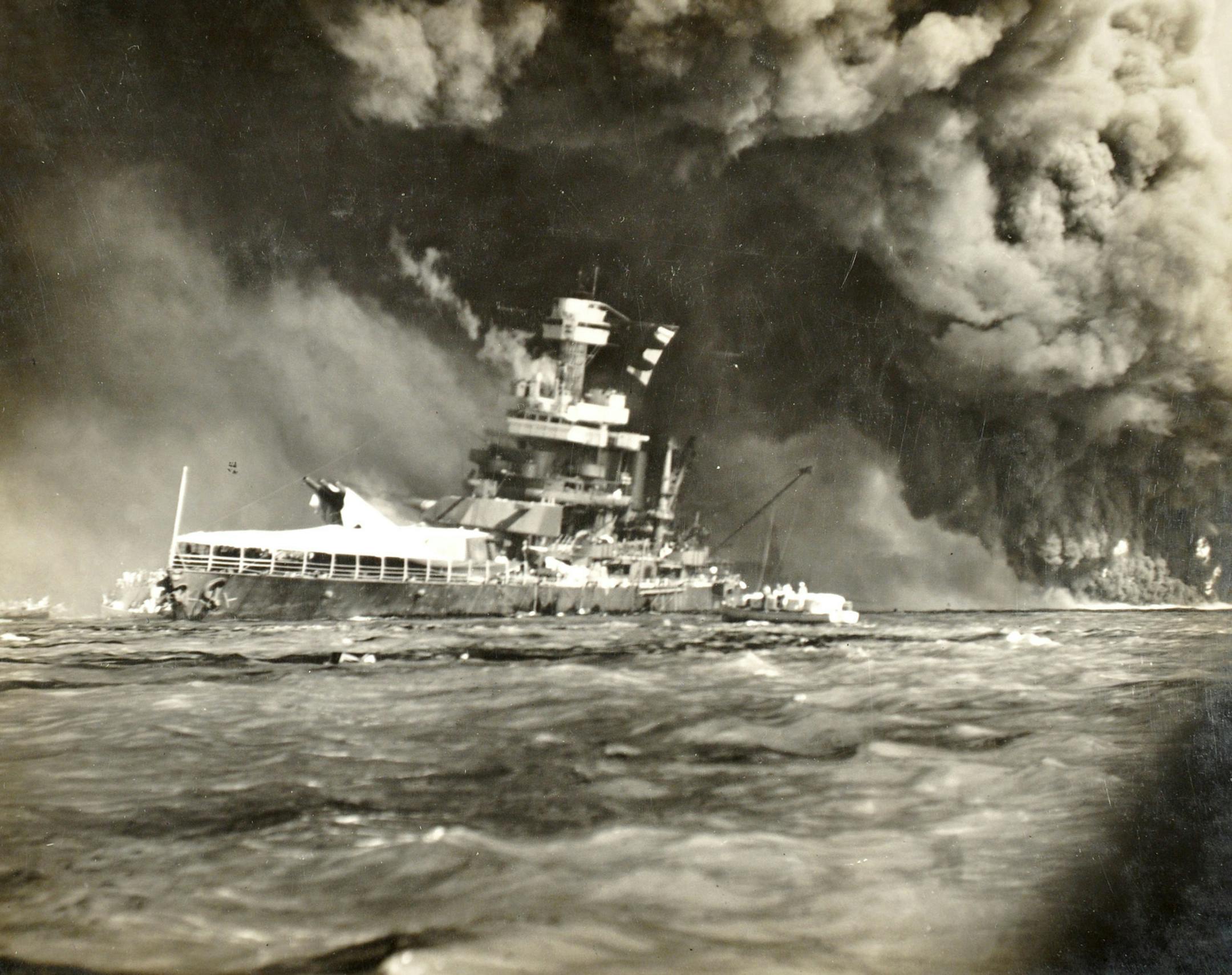
The bombs that fell on Pearl Harbor, more than the planes that struck on 9/11, are responsible for changing the White House and Washington into the place we now know.
Eleanor Roosevelt called the nation's capital "a completely changed world" in the wake of the attack. In the days after Dec. 7, the White House received a cache of submachine guns, FBI agents and plainclothes police officers patrolled nearby streets, and the Washington Post reported that a "special detail" with red lanterns was stationed on the mansion's perimeter, seeking to keep crowds away. The Post also warned Washingtonians to prepare for imminent air raids on the capital.
FDR and Eleanor — despite their devotion to the people's house — found themselves helpless to turn back the clock. The Easter Egg Roll was canceled. The White House closed its doors to the public, and it "will no doubt remain closed" until war's end, one correspondent learned.
Security concerns trumped the first family's desire to live and work in the open, democratic manner to which they had grown accustomed: The Secret Service nixed Eleanor's idea of hosting a White House tea for 350 foreign students. The Christmas tree was put not in Lafayette Park or on the Ellipse but on the White House grounds, where agents could check those who witnessed the lighting ceremony.


