

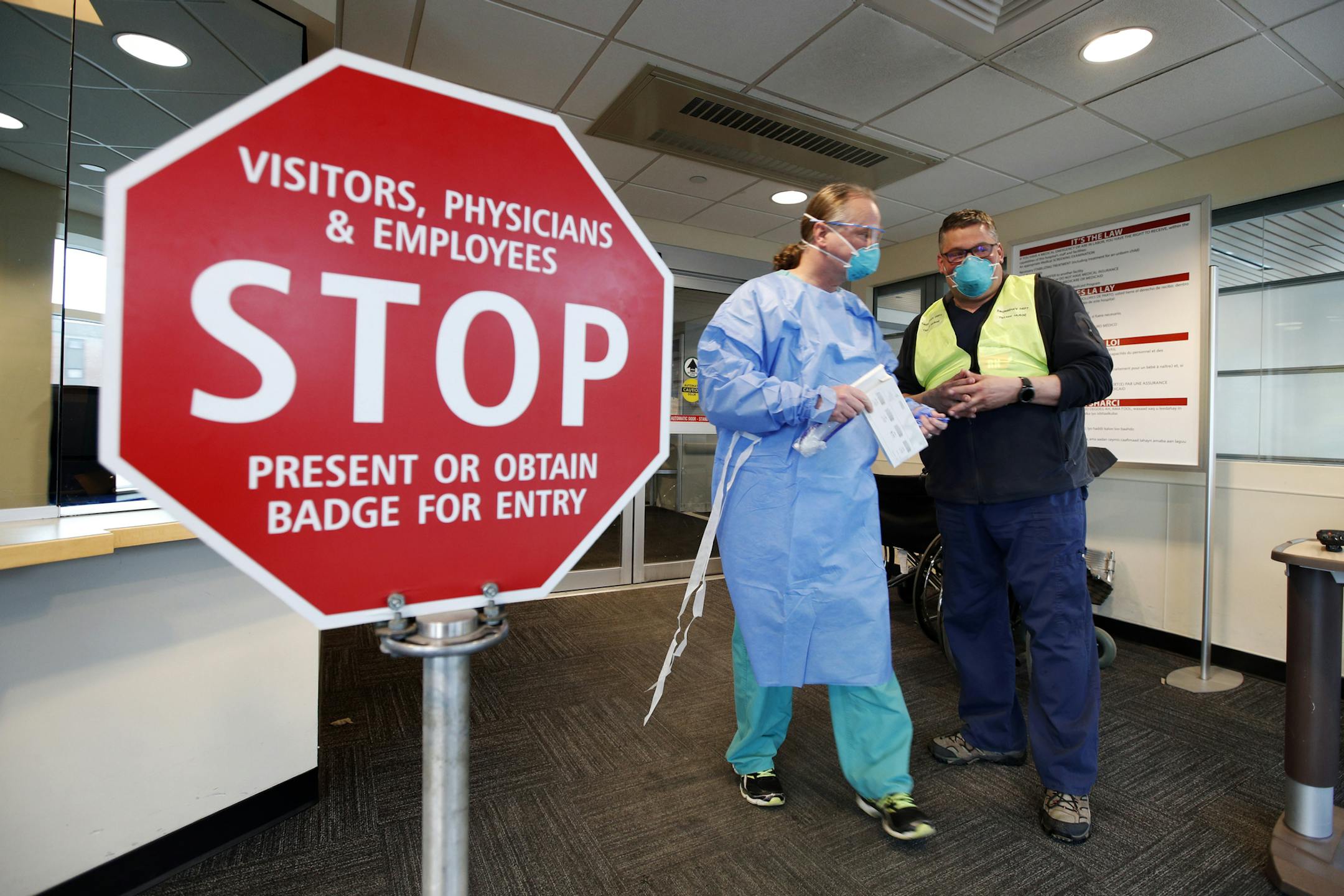
People say that health care workers are heroes in these times. Yet for many physicians that doesn't ring true. Although we chose to be physicians whose duty is to care for the sick, most of us never expected to work in a pandemic and cope with the profound changes COVID-19 has brought to our way of life.
Because we are both doctors, we are asked daily how we are doing. Here is what we feel (and what we've heard about from our colleagues).
Fear. We are afraid of catching the virus, too. We have witnessed respiratory failure and death up close, and we worry about our colleagues. Some of them have died.
Guilt. Some physicians are unable to work because of medical conditions that put them or their families at high risk. While it isn't easy working, it's also difficult for those who cannot work to see others carrying the burden.
Renewal of purpose. This is our moment to step up and make a difference. What was routine before is now essential. Physicians previously on the verge of burn out are now volunteering extra hours. Retired physicians are returning to help.
Discomfort. We are being asked to perform completely new tasks and the rules change daily. For some of us, putting on personal protective equipment is new. What we use and how to use it changes frequently. If you do it wrong, you are at risk. Primary care physicians trained during residency to care for hospitalized patients, but typically now only provide outpatient care. They are now relearning hospital medicine. And while we adjusted quickly to providing more care over the phone, diagnosing and treating patients we can't examine worries us. We lack evidence and experience to guide what we do. We must trust that every day's decision was our best decision.
Pride in our profession. We have always declared that medicine is a profession, not a job. Today, we reflect deeply on what those words mean as we enter emergency rooms, hospitals and clinics to care for our patients, face and acknowledge the risk to our health. As medical students in the mid-1980s we witnessed with shame physicians refusing to care for patients with AIDS. In contrast, today we are deeply proud of our profession and our health care colleagues as we step up to care for our patients and communities with COVID-19 knowing the risk to ourselves.
Intellectually stimulated. Our brains light up learning, exploring and researching the science of COVID-19 and its impact on public health, economics, psychology and social determinants of health.


