

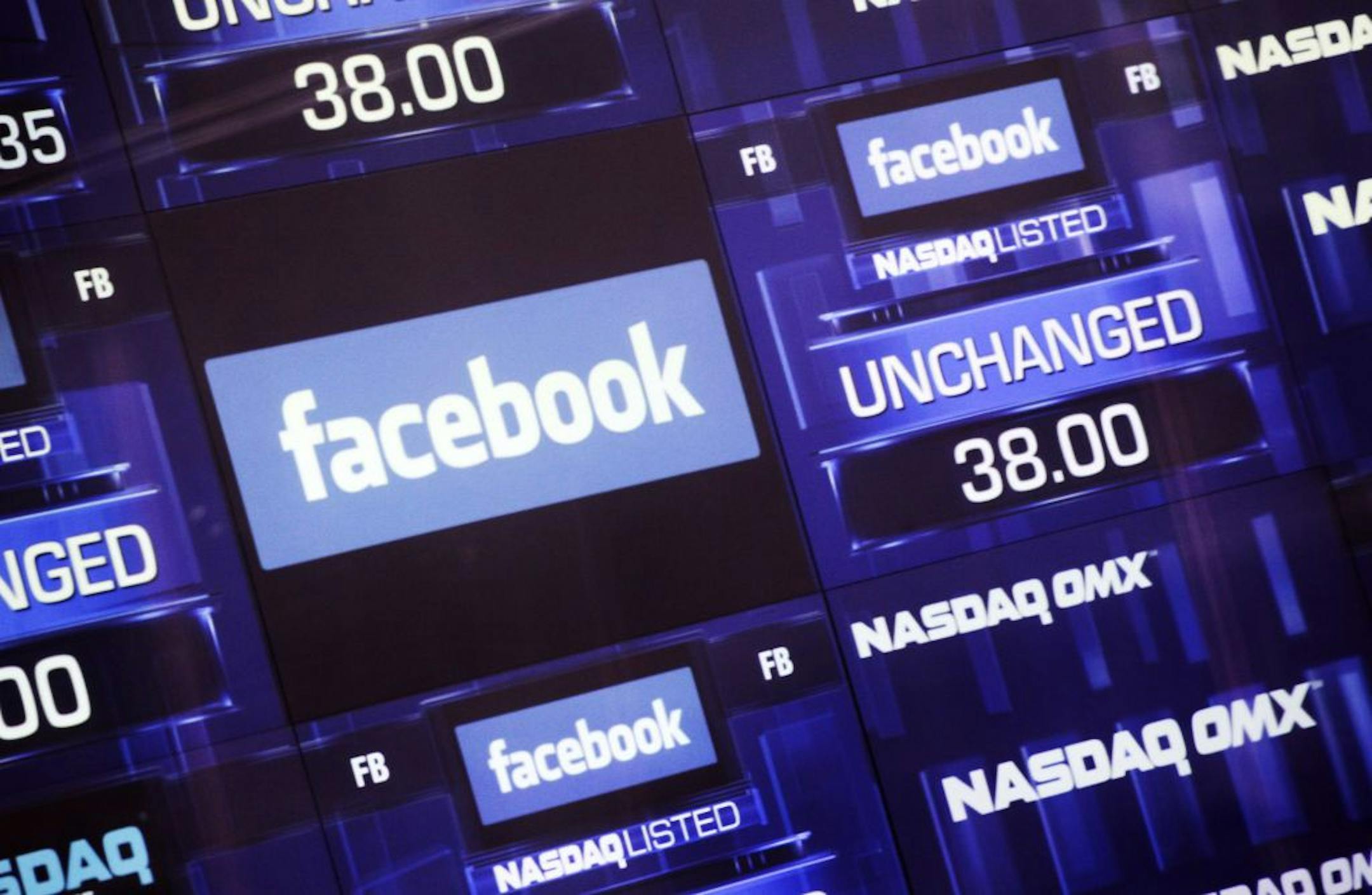
The unrelenting negative reports about Facebook are enough to rattle even the true believers among us.
Since the initial public offering in May, the beleaguered chief executive officer and founder, Mark Zuckerberg, hasn't found much to "like." The company's stock is down by more than 50 percent, an influential board member has unloaded shares, and Silicon Valley analysts are openly questioning the management.
Yet it would be premature to despair over the company's long-term viability and health. Facebook is still potentially the most valuable information-based business. It had 955 million monthly active users at the end of June, and benefits from a tremendous amount of attention.
More than any other company, Facebook is positioned to radically expand digital marketing, moving us from today's narrow, intent-based approach to a broader and more familiar persuasion-based model. For that to happen, it needs to step out of Google's shadow and embrace a strategy that plays to its strengths and unique position at the center of today's Internet. It must reinvent rather than replicate.
Google, as we know, came of age when our connection with the Web was largely individual. We searched for information, read news, bought a few products and traded stocks. Today's Internet is a vast digital space in which we live with our friends, family, colleagues and multitudes of slightly familiar strangers. Facebook controls the platform of this community; it mediates the digital link to our physical-space lives and owns the rich data trails that still might revolutionize our understanding of individual behavior and social interaction.
So why does it seem trapped in the older world of sponsored search and product placements? One answer is that Google's tremendously successful business model has created a perception that digital marketing requires being narrow and precise, matching superficial intent (as expressed by a few words typed into a search box) with a targeted low-bandwidth message, such as a 35-word sponsored search advertisement, whose effectiveness is then measured by counting click-throughs.
But even a casual viewer of the television program "Mad Men" realizes that successful advertising requires more than a carefully targeted message or generating leads or assessing intent. It requires persuasion, evoking a response, striking and maintaining a connection with the customer.
Facebook is ideally suited to expand into this terrain. It knows more about us than any company in history, information about what persuades each of us, what makes us react emotionally, what makes us sentimental and what turns us off. And persuasion doesn't end with the "what"; it also knows the "who." It can identify our friends and those whom we are likely to respond to, about what topics and in what contexts. It hosts user communities for most large brands, the starting point for digital customer retention. (After all, marketing involves more than just attracting customers: You also have to keep them.)


