

Opinion editor’s note: Star Tribune Opinion publishes a mix of national and local commentaries online and in print each day. To contribute, click here.
•••
President Biden, Donald Trump, Bernie Sanders and Nikki Haley all agree that America has a housing shortage. City halls across Minnesota offer clues as to why.
In 2023, my hometown of Eagan required any gardener planting flowers at a new apartment complex to be accredited by a specific school (the University of Minnesota), mandated the specific color of fencing a residential construction site must use to protect nearby trees (orange) and held multiple public meetings to decide whether a single homeowner should be allowed to build a backyard patio.
As a commissioner on Eagan’s Advisory Planning Commission — one of several regulatory bodies responsible for evaluating proposed developments in Eagan — it’s my job to advise on enforcement of these requirements. I often can’t help but feel embarrassed that they exist.
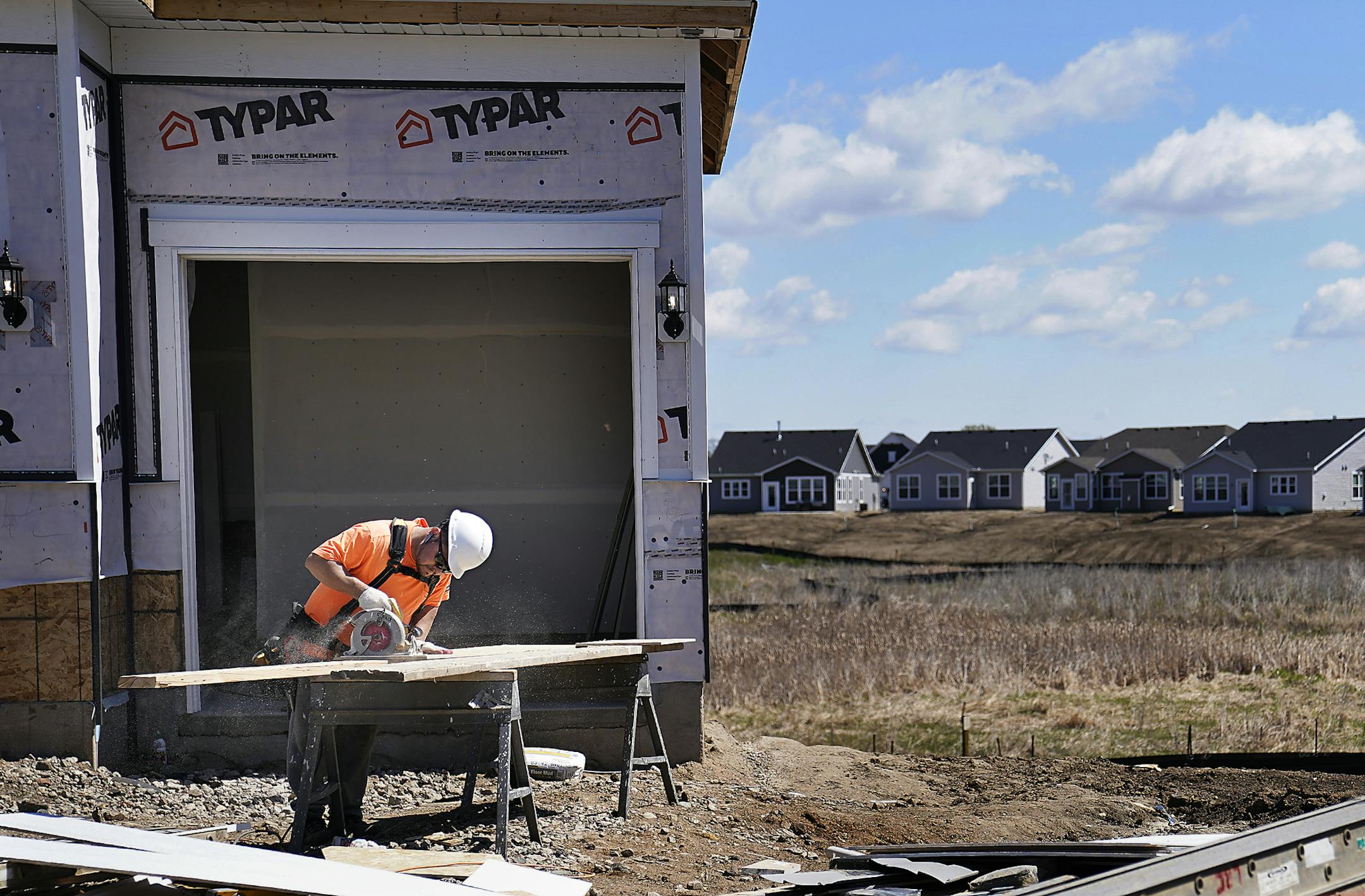
Like many communities in Minnesota, Eagan uses substantive and procedural zoning rules to sharply limit new residential development. The city prohibits the construction of multifamily housing in most areas, and even when new construction is allowed, developers must navigate a complex set of regulations through which administrators can delay, derail and micromanage projects.
As a result, viable proposals take years to approve, while others become more expensive or never get built. And because the supply of housing isn’t allowed to keep up with demand, prices for everyone go up.
Last year, the Legislature passed a $1 billion bill designed to address the rising cost of housing through vouchers, down payment assistance and incentives for developers. But it didn’t address the biggest driver of housing costs: barriers to new development imposed by local governments.


