

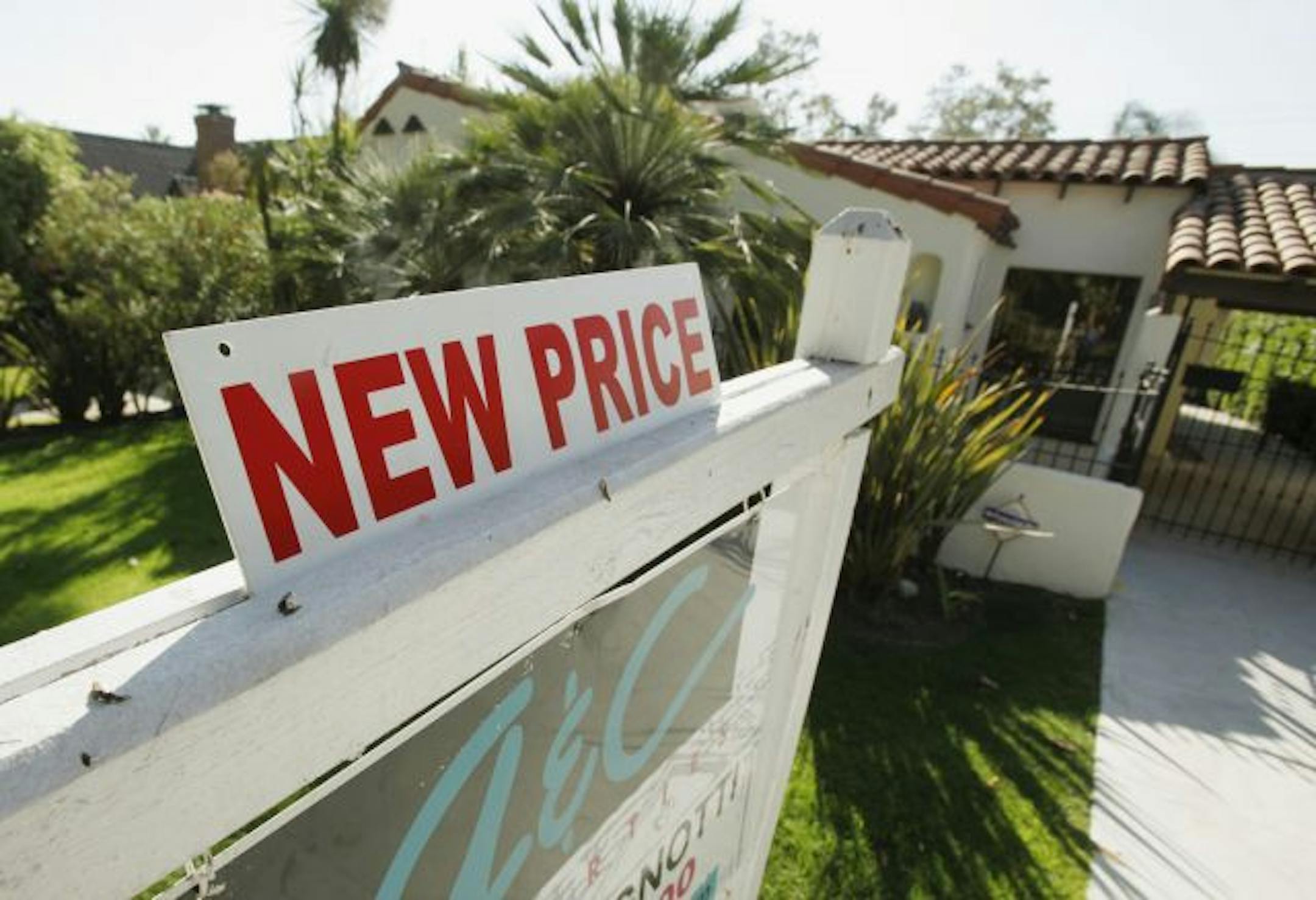
Home prices are under assault, and a flurry of reports released this past week suggest the pain will last longer than expected.
The widely watched Case Shiller analysis said that while the home price index rose 1.7 percent nationwide during August -- largely from an afterglow of expired federal tax credits -- rising inventory levels caused the market this summer to slip. Meanwhile, pending sales have dropped, while distressed sales -- foreclosures and short sales -- have increased.
That means more markdowns.
Falling home values have weighed heavily on consumer confidence. Homeowners who once thought they'd send their kids to college or retire on the equity they once had in their houses are now worried it's all evaporated. Price drops have forced many into foreclosure or short sales that have ruined their credit and can haunt their finances for years to come. Others feel stuck in their homes, unable to sell their current one at a reasonable price.
All of which weighs heavily on the economy.
Previously, the consensus among many housing experts was that the housing market would recover during 2011, but prospects for improvement now seem farther down the road.
The latest assessment of the market comes from 109 economists and housing analysts polled this month by MacroMarkets, a housing-futures firm, for the Wall Street Journal. About half expect home prices to bottom next year and rebound in 2012, in large part because inventories of unsold homes are rising in much of the country.
Still, low prices are good for buyers, who have been few and far between since federal tax credits expired in April, despite record low mortgage rates. "Buyers are still being highly cautious," said Jennifer Olstad, a real estate investor, who notes she's benefited when buying properties. But lower prices could hurt investors such as herself on the resale side, especially since the few buyers who are out there aren't afraid to make lowball offers.



