
House approves repeal of 20-year mining ban near Boundary Waters Canoe Area Wilderness

The resolution now moves to the Senate, where a simple majority can open 225,000 acres of land to mining operations.

The Minnesota Star Tribune
January 22, 2026 at 12:35AM
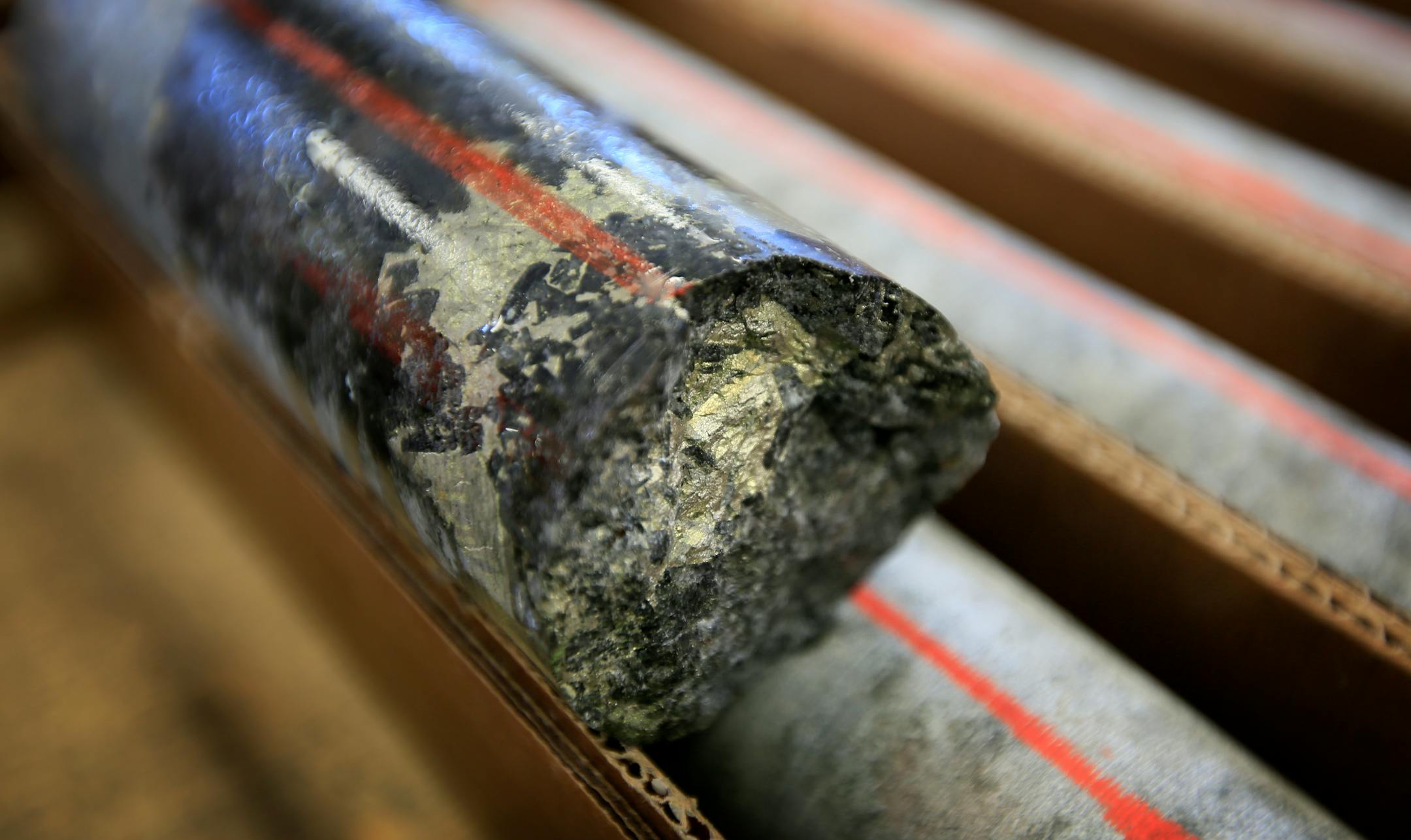
Core samples show the rich mineral deposits found in a rock.
Core samples show rich mineral deposits found in the rock outside Ely, Minn. (Brian Mark Peterson/The Minnesota Star Tribune)

Federal lawmakers have taken a major step toward opening a tract of land near Minnesota’s Boundary Waters Canoe Area Wilderness to mining. In a 214-208 vote, largely along party lines, the House of Representatives passed a resolution Jan. 21 to end a mining moratorium in the area.

Rep. Pete Stauber, the northeastern Minnesota Republican who introduced the legislation, said Wednesday the move would protect jobs, strengthen national security and “is good for my constituents.”

The resolution now moves to the U.S. Senate. Because it was introduced under the Congressional Review Act, the legislation will only require a simple majority to pass. If successful, it will move to President Donald Trump’s desk for his signature.

Former President Joe Biden passed the 20-year mining ban covering more than 225,000 acres of the Superior National Forest in northern Minnesota, on the edge of the Boundary Waters Canoe Area Wilderness, after a study concluded hardrock mining in the area risks carrying pollution into the BWCA.

In a statement after the resolution passed, Stauber’s office said Biden’s move prevented resource extraction from “the largest untapped copper-nickel deposit in the world” and “directly threatened our way of life.”

“This win allows for important proposed hardrock mining and helium projects to move forward in the state,” Stauber said in a statement.

Stauber and several legislators defended the resolution before Wednesday’s vote, claiming that Biden’s ban was federal overreach that harmed families across the Iron Range.

Paige Gilliard, an attorney for the Pacific Legal Foundation, said the resolution marks a big moment in the oversight of public lands.

“For decades, administrations have used Public Land Orders to unilaterally lock up millions of acres of federal land without any input from the people’s elected representatives,” Gilliard said. “This isn’t just about one mining project in Minnesota — it’s about establishing a durable framework where major land use decisions can’t be reversed on a political whim every four years."

Environmental groups decried the passage of the legislation and vowed to continue their opposition.

“We’ll keep fighting this terrible bill in the Senate, and we won’t stop until the Boundary Waters are permanently protected from toxic mining,” said Marc Fink, a Duluth-based attorney at the Center for Biological Diversity.

“This bill sacrifices America’s most-visited Wilderness for the benefit of a Chilean company that sends its concentrates to China,” Save the Boundary Waters Executive Director Ingrid Lyons said in a statement. “Now, we look to the Senate to protect the Boundary Waters, precedent, and public lands across the country.”

about the writers

about the writers

Kyeland Jackson

General Assignment Reporter

Kyeland Jackson is a general assignment reporter for the Star Tribune.

See Moreicon

Chloe Johnson

Environmental Reporter

Chloe Johnson covers environmental health issues for the Minnesota Star Tribune.

See Moreicon

More from Duluth

See More
Core samples show the rich mineral deposits found in a rock.
Brian Mark Peterson/The Minnesota Star Tribune

The resolution now moves to the Senate, where a simple majority can open 225,000 acres of land to mining operations.

card image