4:21
4:21HOLLANDALE, MINN. - Marc Schober likes to say that farmland is the new gold, a hot investment that offers protection from the whims of the stock market.
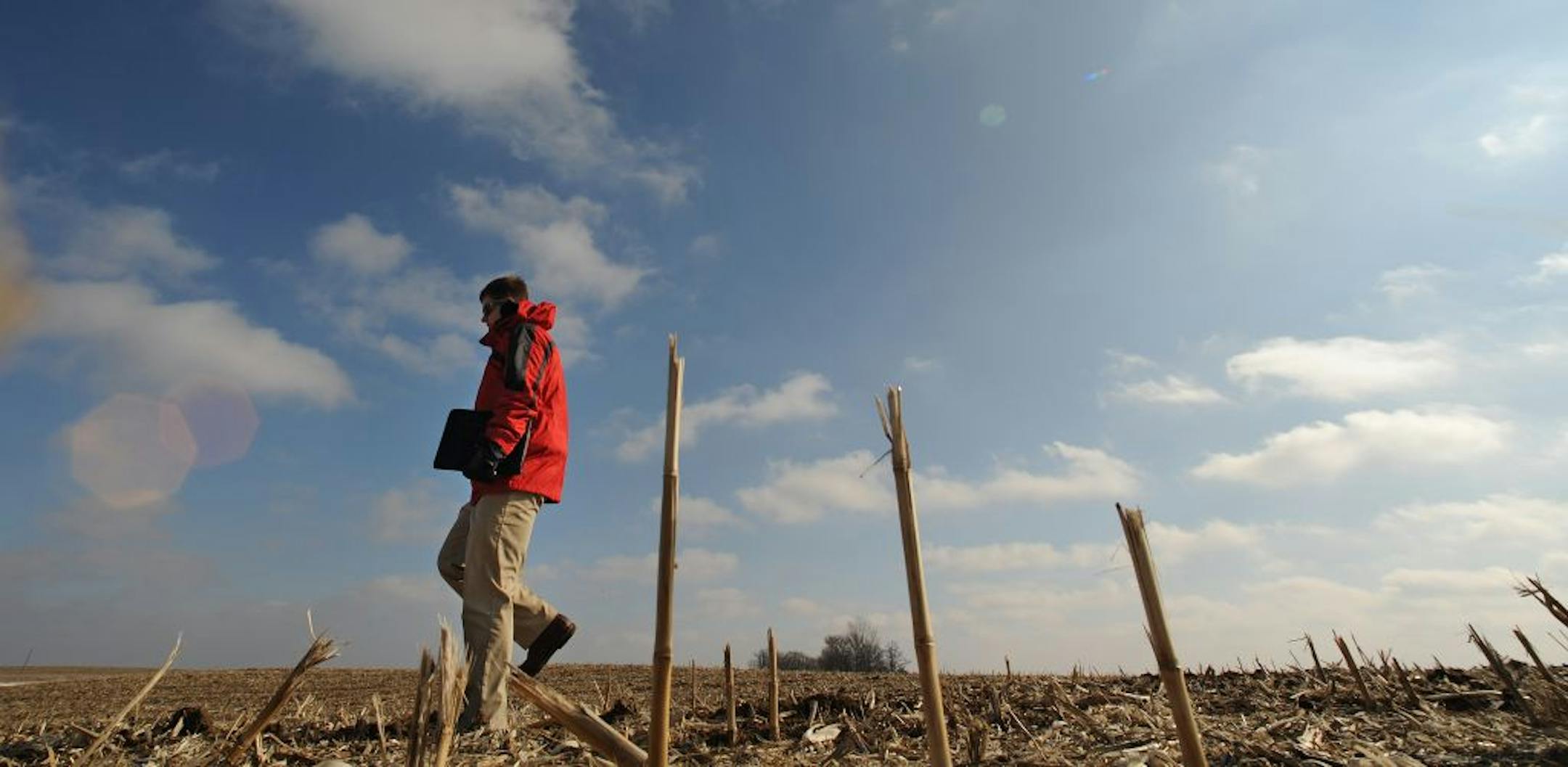
In fact, it's better than gold, the 25-year-old explains, tromping through a muddy field near Albert Lea that he's vetting for potential East Coast buyers. Cropland pays you money to hold it, he says. Gold bars don't produce anything, and you can't charge rent on them.
That type of bullish thinking has investors of every stripe flocking to farmland, plowing money into dirt from Australia to Brazil to the U.S. heartland. Compared to the volatile stock market and the feeble returns from bonds, farmland offers booming cash rents that have made it something of an "it" investment.
Schober's investors, some of whom are "Wall Street guys that run securities funds," see farmland as a hedge against inflation, he explains. "They're extremely turned on to the return profile -- it's such a steady increase."
Brian Briggeman, a former Kansas City Federal Reserve Bank economist now at Kansas State University, estimates that about a quarter of farmland buyers in Kansas and elsewhere are now investors, or non-operator buyers of some sort. How many are Wall Street-type players is impossible to say.
Even in Minnesota, which restricts institutional ownership of farmland, out-of-state investors are flexing their muscle, according to auctioneers, land brokers and assessors.
"There's absolutely been an uptick," said Glen Fladeboe, co-owner of Willmar-based Fladeboe Auctions, which is doing a brisk business in land sales. "We're seeing them as players in the market now. Demand for farmland is just huge."
The entrance of new money has fed fears of an asset bubble, although most see investors as more of a symptom than a driver of high prices.