

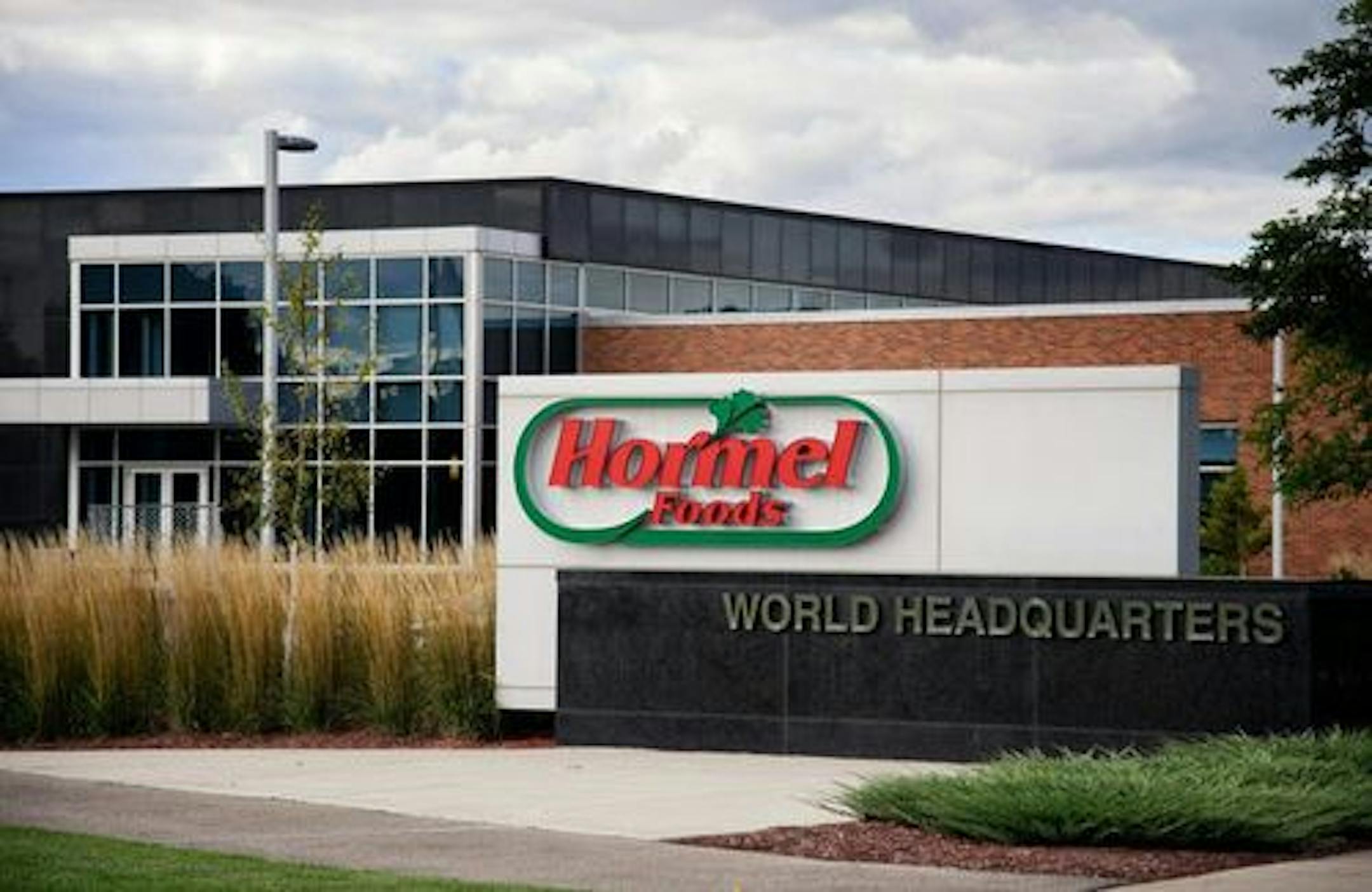
Hormel Foods Corp.'s latest profit fell 19%, slightly more than investors expected, but its sales soared as consumers forced to stay home by the spread of coronavirus stocked up on the company's bacon, turkey, peanut butter and other products.
The company said its operating expenses surged by $20 million in the February-through-April period, the second quarter of its fiscal year, because of costs related to the virus. Those include higher wages for its hourly paid workers and enhanced safety measures in its plants.
Hormel executives said they expect costs — driven by COVID-19 — to be about $30 million to $40 million above previous expectations for each of the next two quarters.
"We are going to have [personal protective equipment] costs, whether it's masks, face shields or dividers," Hormel CEO Jim Snee said in a conference call with analysts. "Those things are going to be there on a permanent basis."
Hormel's profit drop in part reflected a difficult comparison against a year-ago period when the Austin, Minn.-based firm experienced gains from the sale of some businesses. Eliminating the effect of that one-time gain, Hormel's profit fell 8.5% in the latest quarter.
Hormel said it gained market share in stores that were flooded with shoppers in March and April as stay-home orders across the U.S. drove a broad shift in food consumption.
Organic net sales, reflecting products Hormel currently owns, were up 20% in the company's grocery product segment, led by huge gains for Skippy peanut butter and canned goods like chili and Spam.
"We experienced exceptional growth from really every [grocery] brand," Snee said. He added that Spam, "a brand that is over 80 years old, is probably more relevant today than it has ever been."


