

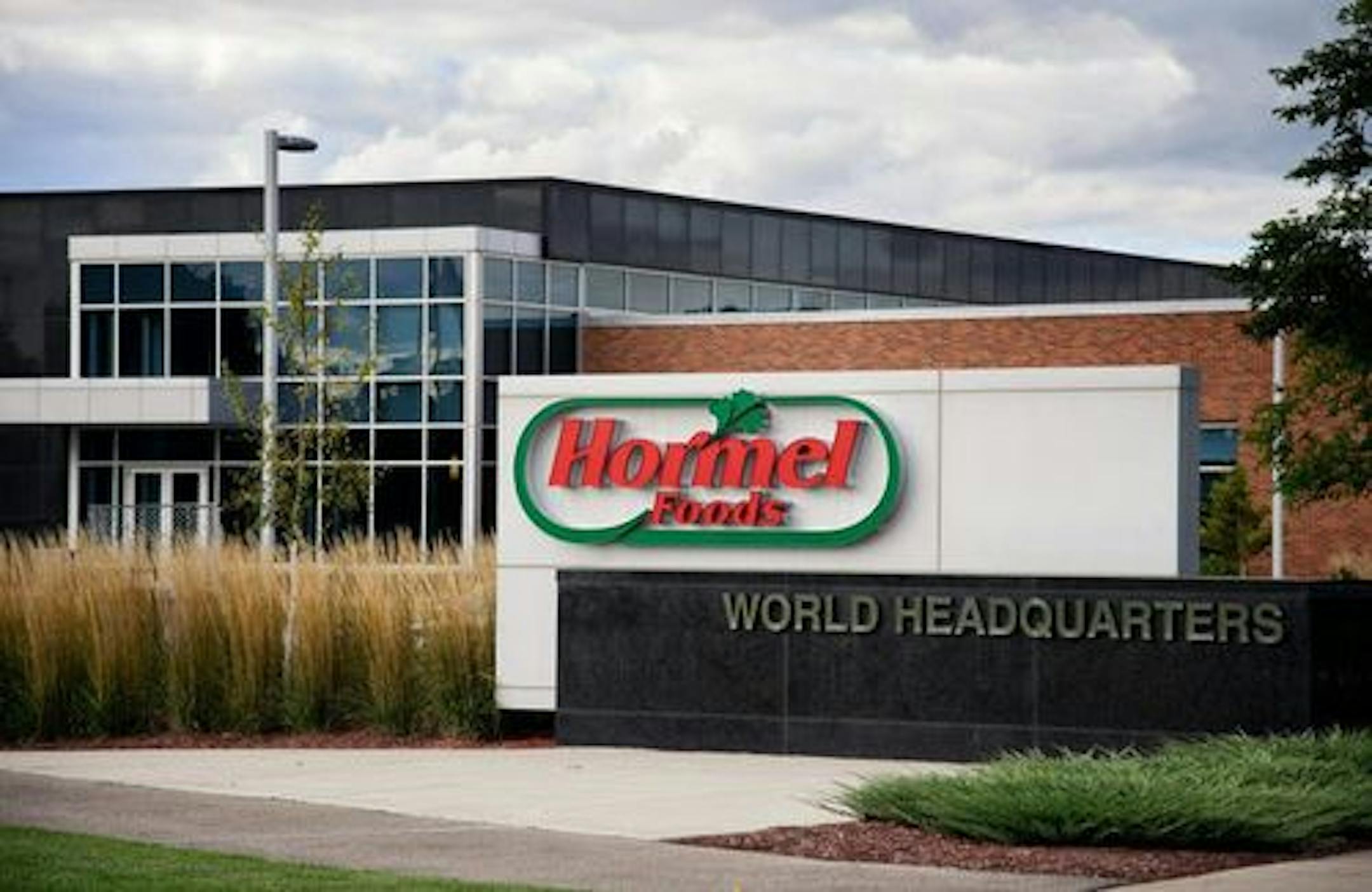
As Americans settled into life during a pandemic, Hormel Foods Corp. adjusted to changes in where and what they eat.
The company on Tuesday reported record sales during its summer quarter and a profit that beat expectations.
The results were shaped by demand changes, higher costs to keep workers protected against COVID-19 and the effects of production shutdowns at some of its suppliers.
Chief Executive Jim Snee said the Austin, Minn.-based firm is still facing challenges, particularly the prospect of more supply disruptions.
"The magnitude of additional recovery in the food-service industry, the performance of the entire food supply chain and the state of the broader economy remain highly uncertain," Snee said.
But Hormel has already adapted to a number of changes among consumers, chiefly the shift for more at-home consumption, including takeout orders from restaurants.
In grocery stores, Hormel has noticed shoppers are avoiding long interactions at the deli counter. They are now less likely to use the glass deli cases and are instead choosing prepackaged meats and cheeses. Hormel is beginning to see a trend emerge for "freshly sliced" deli meats where a butcher does the slicing and sets it in the cooler for customers to grab-and-go, reducing interaction time.
Its restaurant customers are rushing to improve their products' transportability and packaging to support more takeout dining, and are asking Hormel to help.


