Whether it's a computer virus, oil spill, tornado or flood, all companies should have a plan to keep operating when disaster strikes.
In the field, those are called "business continuity" and "disaster recovery" plans.
Patrick Dunn, a consulting manager for Eden Prairie-based Datalink Corp. in Atlanta, advises organizations on business continuity, disaster strategies and best practices. He has more than 20 years of industry experience working with Fortune 500 companies and Big Five accounting firms in both the United States and Europe.
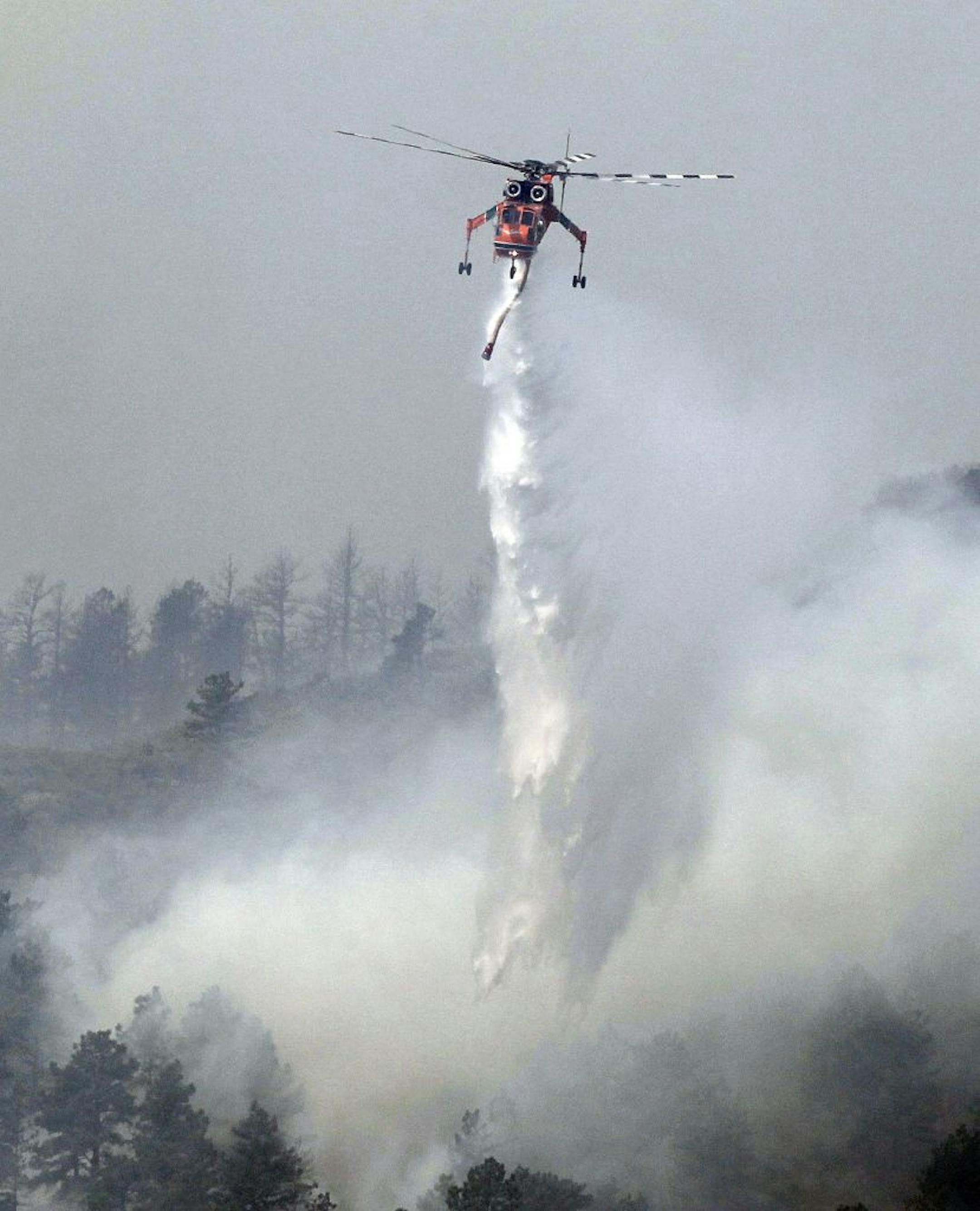
More organizations are planning and implementing business continuity and disaster recovery strategies, especially with regulatory practices that enforce more stringent safety measures. But headlines about Colorado wildfires, Texas droughts, flooding in Minnesota or the latest computer virus are daily reminders of the need for planning.
Yet some businesses don't put a priority on continuity and disaster recovery planning. That omission can prove fatal.
QTalk a little more about disaster recovery.
AAll companies should have a disaster recovery plan. For example, if you're on the East Coast and you have hurricane warnings, you have to be able to get people out of harm's way, and you have to be able to shut down your systems efficiently. You also have to have a strategy of how you're going to store your backup data so that you can recover it later.
Disaster recovery could have helped prevent the BP oil spill. Or BP could have used a recovery plan to clean up the spill more efficiently. Disaster planning could have also addressed events like the tsunami in Japan.