

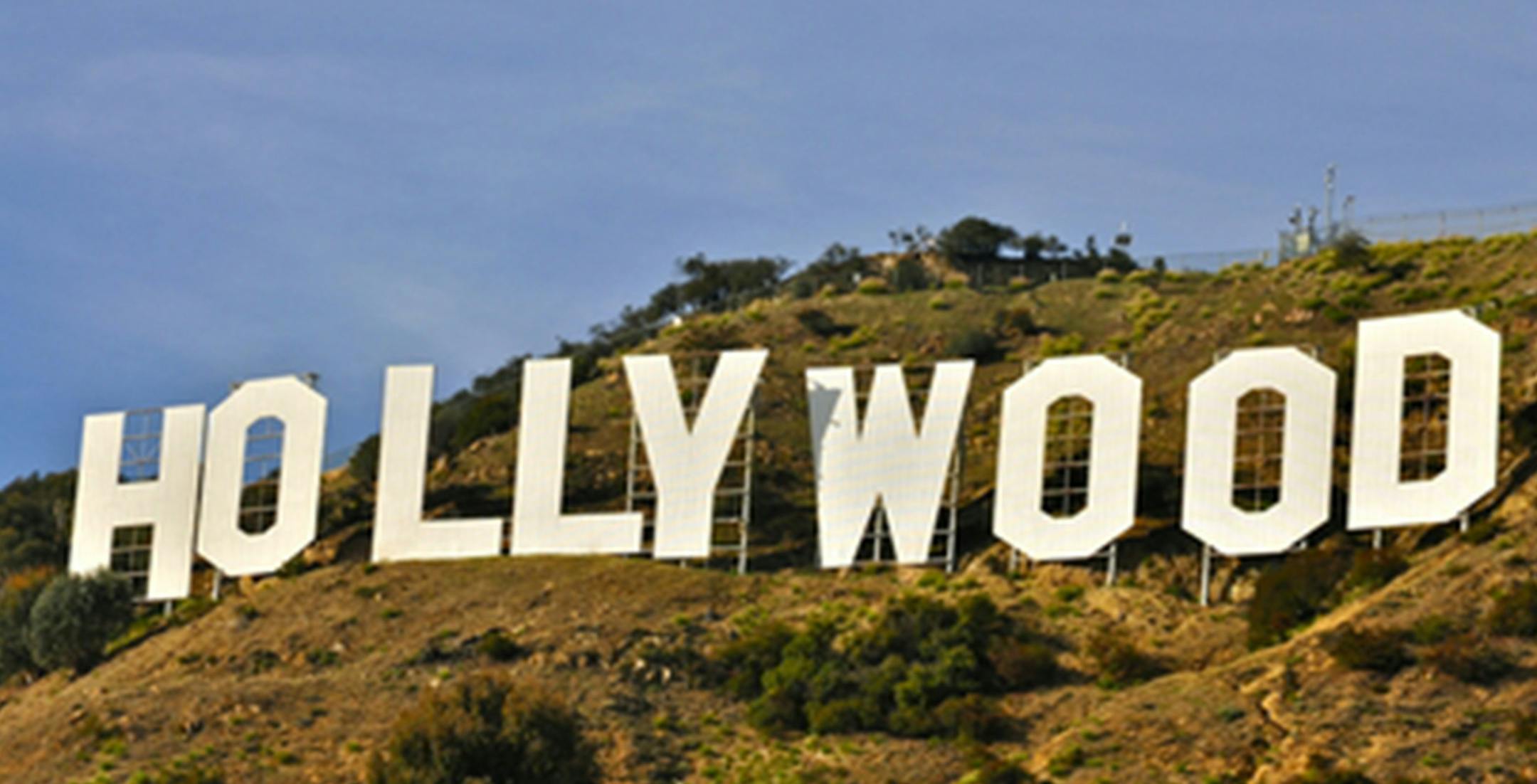
Over the past two years, Hollywood has been at the forefront of resistance to President Donald Trump.
After throwing their weight behind Hillary Clinton during the 2016 election to no avail, liberals in the industry have taken to the red carpet, the Broadway stage, the Academy Awards and social media to express their disgust with the president and promote issues such as immigration, a free press, gun control and sexual-harassment prevention.
These efforts have proved deeply polarizing, infuriating conservatives, who scream about politics overrunning everything, and invigorating liberals.
Thanks to Trump, celebrities also seem to capture Americans' political imaginations, spawning fantasies of future presidential campaigns from candidates such as Oprah and the Rock.
But this chatter reveals the mistaken tendency of the industry to focus on the biggest political prize: presidential elections. If Hollywood really wants to make a difference, it should seize on the lower-profile midterm elections not only to spotlight issues and candidates but also to use glitz and glamour to persuade people to vote.
And while Michelle Obama's organization "When We All Vote" has teamed up with superstars such as Lin-Manuel Miranda, Tom Hanks and Janelle Monáe to encourage voting in the midterms, the key to Hollywood's impact this election depends on whether the effort continues off-camera.
Hollywood has loved electioneering since the earliest days of the silver screen. Since the 1920s, studio executives have eagerly forged relationships with presidential administrations. Louis B. Mayer proudly slept in the Lincoln Bedroom after helping Herbert Hoover get elected, and Jack Warner used his dollars, his studio and the silver screen to promote Franklin Roosevelt's election and New Deal programs.
But during the 1940s, it was Hollywood's rank and file, many of whom were passionate about issues, who figured out how to achieve real political impact, burrowing down to the grass roots and demonstrating the value of entertainers in party politics.


