

Opinion editor's note: Star Tribune Opinion publishes a mix of national and local commentaries online and in print each day. To contribute, click here.
•••
On industrial pig farms in the United States, mother pigs are confined for their entire lives in barren cages barely larger than their bodies. In these "gestation crates," these intelligent animals are tortured. They cannot turn around or even fully lie down, causing them to develop painful sores and cramped muscles. Their piglets are born into a densely packed environment ripe for disease and infection.
For years, the majority of calves raised for veal and hens raised to produce eggs suffered lives of similar deprivation. Medical research shows that such confinement threatens the health and safety of consumers by compromising the animals' immune systems and facilitating the transmission of disease-causing pathogens from the slaughtered creatures to humans. It's almost as though their suffering can be turned into a perversely poetic punishment for their human tormentors.
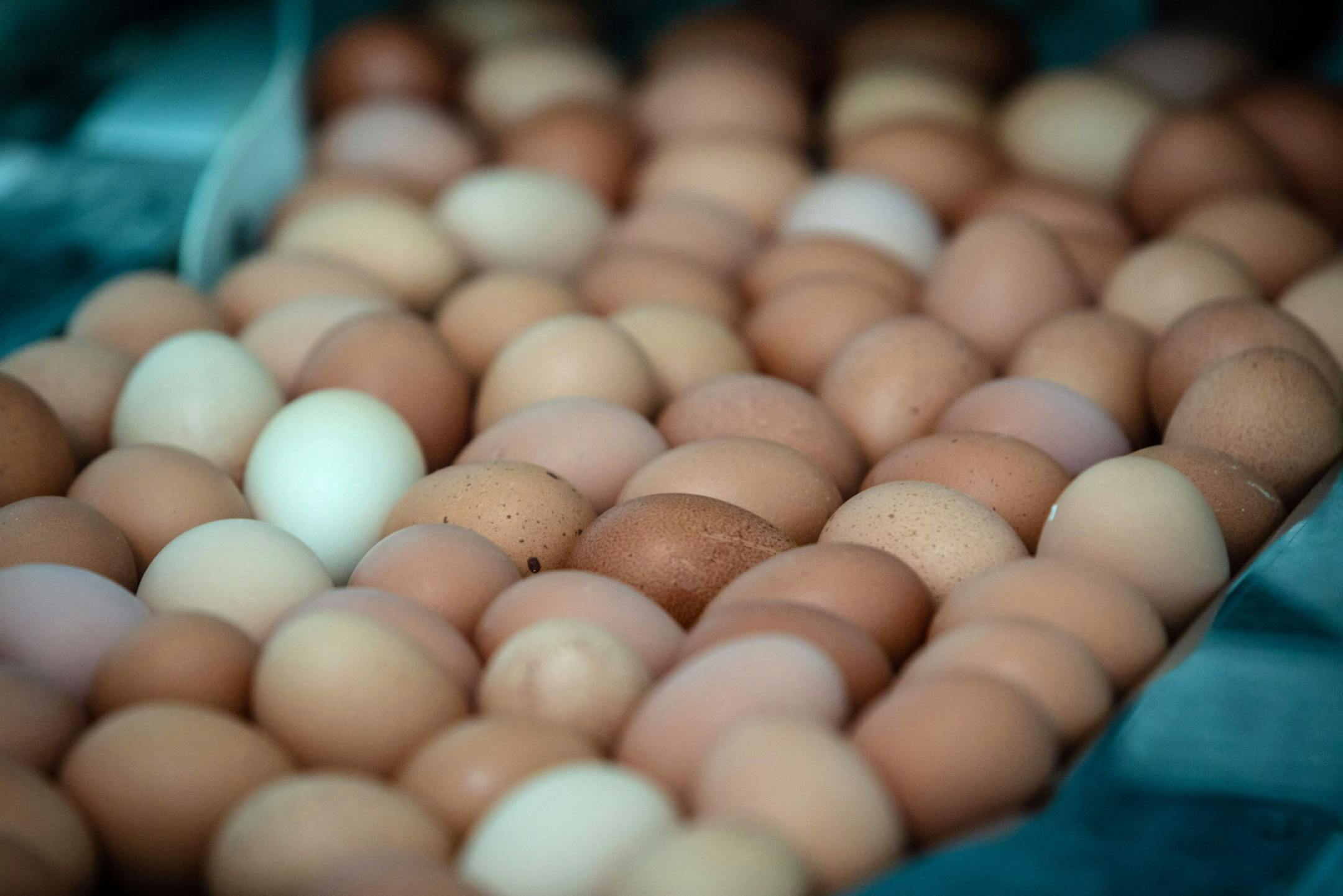
No wonder the people of California in 2018 overwhelmingly approved Proposition 12, the Prevention of Cruelty to Farm Animals Act, which bans the extreme confinement of mother pigs, calves raised for veal and egg-laying hens, and prohibits the in-state sale of pork, veal and eggs produced with such cruel farming methods.
By setting a standard for products sold in the California market — a standard to which all in-state and out-of-state producers must adhere — California acted in the best tradition of states as laboratories of democracy, adopting requirements that other states might then emulate and that might eventually be adopted by Congress as a nationwide requirement. So far, six states have passed similar legislation, following California's lead, just as California had followed that of Massachusetts.
The pork industry challenged the California law, claiming it violates the Constitution's Commerce Clause because it improperly regulates interstate commerce. The federal district court and the Ninth Circuit Court of Appeals rejected this argument. But the Supreme Court took the case, National Pork Producers Council vs. Ross, and heard oral arguments Tuesday.
Under long-standing legal principles, states are free to adopt reasonable rules to regulate what may be sold to people in those states — including how the goods are produced — as long as the regulations don't discriminate against out-of-state products or irrationally burden interstate commerce.


