

Opinion editor’s note: Strib Voices publishes a mix of guest commentaries online and in print each day. To contribute, click here.
•••
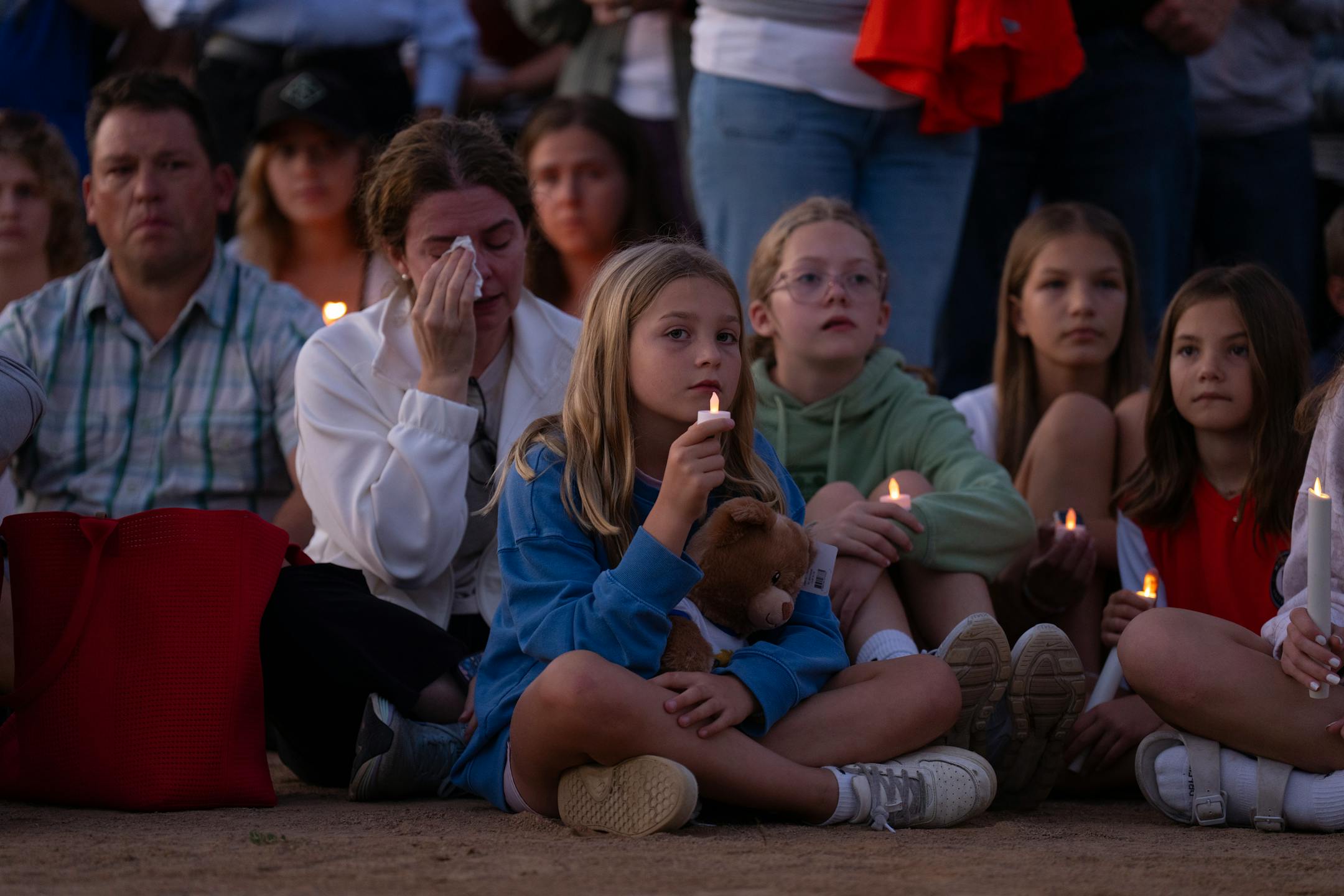
The pain and grief from the shooting at Annunciation School last week will stay with all of us for some time. As an adult and child-adolescent psychiatrist, I’ve had the privilege over the years of walking alongside many individuals overcoming trauma — from war veterans to young people devastated by the tragedies of addiction. Despite all my training, and perhaps because we’ve all been somewhat desensitized by the frequency of such tragedies, I found myself unexpectedly overcome with emotion when this one struck our own community. And I know many feel the same way.
Even we adults are searching for answers and a sense of security after the events at Annunciation. The shattering of innocence, the violation of sacred places and sacred moments in the school year — all of that leaves us not only grappling with our own emotions, but also wondering how we help our children make sense of what happened and how they move forward. Here are some helpful tips for talking with your kids:
Use open-ended questions, and just let them talk
Closed-ended questions invite simple “yes” or “no” answers, while open-ended questions invite narratives. Sometimes, we instinctively ask kids closed questions because we want them to reassure us that they’re OK — like asking, “Are you feeling safe?” or “Are you OK?” Instead, try saying, “How are you feeling about what happened?” or “What kind of thoughts have you been having about it?” That way, you give them the space to express themselves in their own words.
Normalize the range of reactions and emotions
Young people experience trauma in many different ways and on different timelines, just as adults do. It’s important to acknowledge that there’s a whole range of feelings they might have. Some kids might still be in a kind of blissful ignorance, while others might feel a range of strong emotions right away. Letting them know that all these reactions are valid helps them feel understood.
Be clear, reassuring and developmentally appropriate
Young people develop through a kind of scaffolding: They observe and learn from adults, and need clear and reassuring information to understand safety. We need to be sensitive to their age, but also clear about our commitment to their safety. And believe me, they observe everything — even if they don’t seem troubled, they’re watching how people react and are looking for guidance from those observations. Over time, as they grow, that scaffolding evolves.
Watch for prolonged distress
Young people are often more resilient than we give them credit for, and there’s a real beauty and strength in that. But some kids may be deeply affected for longer periods of time, and those children should get help. Keep an eye out for warning signs like disturbed sleep, refusal to do certain activities, changes in attitudes or patterns of avoidance that last more than a few weeks. If you notice those, it’s important to reach out for support. A good place to start would be the American Academy of Child & Adolescent Psychiatry’s Disaster and Trauma Resource Center or the Substance Abuse and Mental Health Services Administration’s "Tips for Talking to Children and Youth After Traumatic Events.”


