
Health, wealth, kindness and the pursuit of happiness

While the meaning and ways to feel happy can be subjective, the end goal is to find contentment.

For the Minnesota Star Tribune
October 8, 2025 at 10:30AM
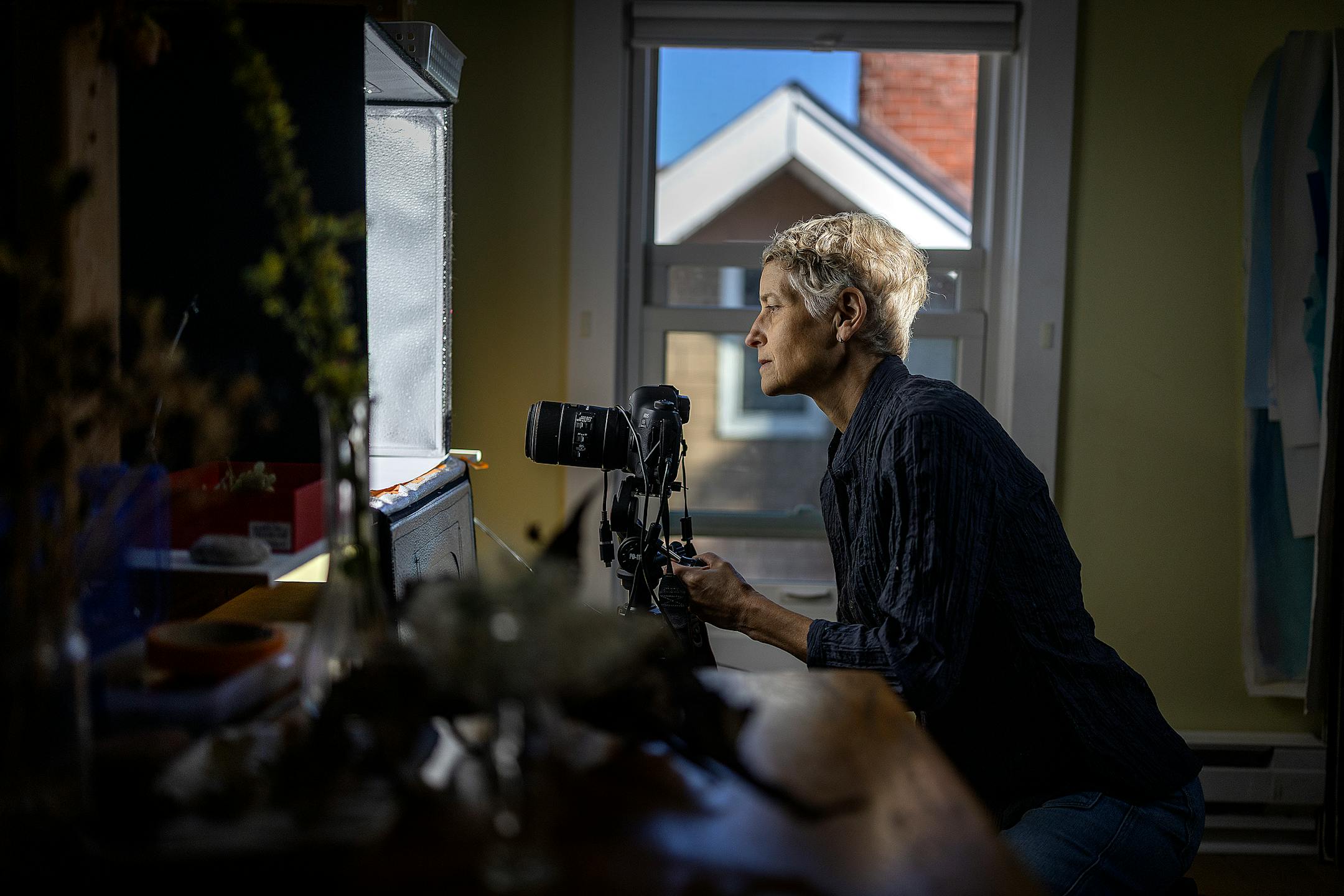
Artist Elizabeth "Lilly" Crawford works from her home studio. (Elizabeth Flores/The Minnesota Star Tribune)

Most people want to be happy — or at least happier — but it often remains an elusive quest.

“For the majority of people, there’s no reason they can’t be happy,” said Bill Pavot, a psychology professor emeritus at Southwest Minnesota State University. “The common approach is to do things that are exciting, feel good and generate a lot of positive emotions. But what really sustains us, especially as we age, is contentment.”

Happiness — or contentment, fulfillment or life satisfaction — carries different meanings for different people.

For some people, happiness may be sitting in their garden surrounded by friends and family, feeling respected and loved. For others, it may be material prosperity, such as wealth or a high standard of living that makes life easier or more comfortable.
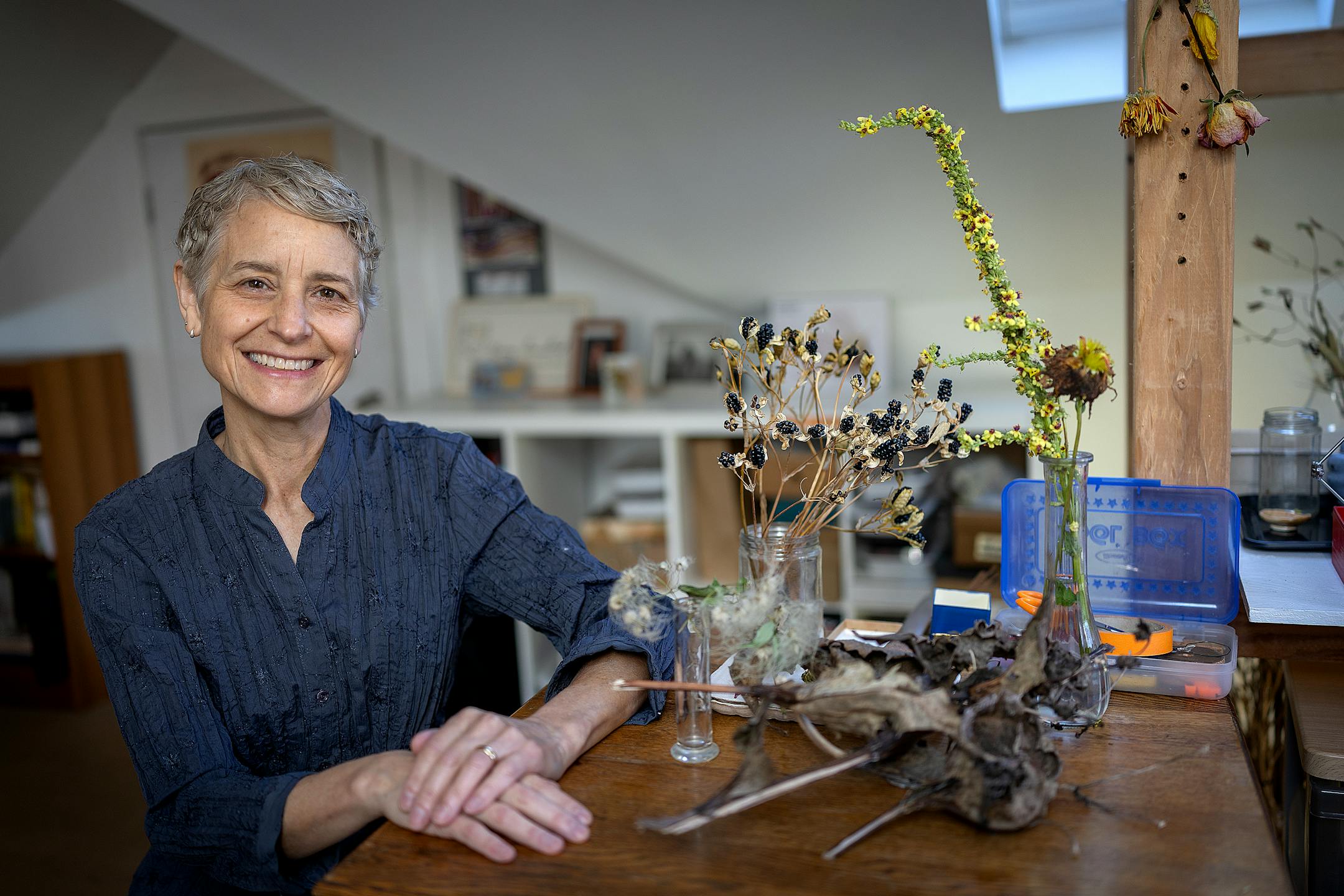
Artist Elizabeth "Lilly" Crawford, in her home studio, says “It’s about how often you touch that happiness texture.” (Elizabeth Flores/The Minnesota Star Tribune)

Minneapolis artist and children’s book illustrator Elizabeth “Lilly” Crawford, 60, sees happiness as a texture.

“It’s about how often you touch that happiness texture,” she said. “Right now, I bump into it quite a bit. That doesn’t mean that’s the only texture I experience, and some of the other textures are really devastating. How do those encounters hold sway against each other?”

Studies show that older adults tend to be happier than their younger counterparts, partly because they have less stress and fewer uncertainties in their lives.

“Many things that happen earlier in life are mixed events, but life tends to stabilize in our 60s and 70s,” Pavot said. “Older people tend to be somewhat happier because they’ve learned what works” and what doesn’t work, he added.
In addition, many older adults are retired, resulting in less stress and more time to do what makes them happy, said Dr. Ben Rosenstein, an assistant professor at the University of Minnesota Medical School who specializes in geriatric medicine at M Health Fairview Clinic Phalen Village.

Genetics account for up 50% to 80% of happiness, which means the rest is in your control. The study of positive psychology, or what makes people happy and resilient, finds that how people live — through decisions and activities — can make a big difference.

Health consultant Dr. Amy Stenehjem of Champlin, who helps clients achieve newfound health and happiness, believes the brain can form new pathways to change. It’s called positive neuroplasticity.

“Experts have shown that despite significant trauma, negative experiences or struggles, we can teach our brains and bodies to feel more contentment,” she explained. “It takes a lot of work and awareness to get the brain to notice the positive around you. Our brains literally are wired to identify and be aware of negative things in our environment because of our ancestral need to protect ourselves and survive.”

The adage “money can’t buy happiness” may be partly true. Studies show that higher income increases happiness for some people but has limited effect on the unhappiest people.

“Money is good, but it can be toxic if we get lost in the pursuit of it,” said Pavot, who did groundbreaking research on life satisfaction with the late psychologist and author Ed Diener.

So, how can one become happier?

Review your life. What are you satisfied with and what would you like to change?

“One of the things I ask older adults is what’s important to them or what brings them joy,” Rosenstein said.

Also, it helps to focus on these four pillars of happiness:

1. Relationships: Family — whether that be relatives, friends or neighbors — can have a profound effect on your happiness. “One of the things that brings people joy is family” and spending more time with them, Rosenstein said.

2. Health: “Happiness tends to correlate with decreased depression and anxiety,” Rosenstein said. “And people who are happier tend to have greater mobility.”

Furthermore, research shows that happiness correlates with improved overall well-being, which is linked to a lower risk of dementia and may even protect against cognitive decline.

3. Interests: Some people find the transition from work to retirement, especially in the first year, difficult as their decades-old routine or sense of purpose changes.

“One thing you can do before retirement is start cultivating some new interests,” Pavot said. “What do I want to do? How do I want to redirect my life?”

4. Faith: A strong link exists between happiness and religion or spirituality. Faith fosters a sense of belonging, which can boost mental health. And religious communities often provide social activities, which contribute to happiness.

“As an adult, I started going to church far more often,” said Jeff Nordeen, a 59-year-old digital marketing executive who lives in Victoria. “It’s a lot easier to go through life, knowing what’s going to happen. And I try to start every day with prayer … quickly going through why I feel connected with God.”

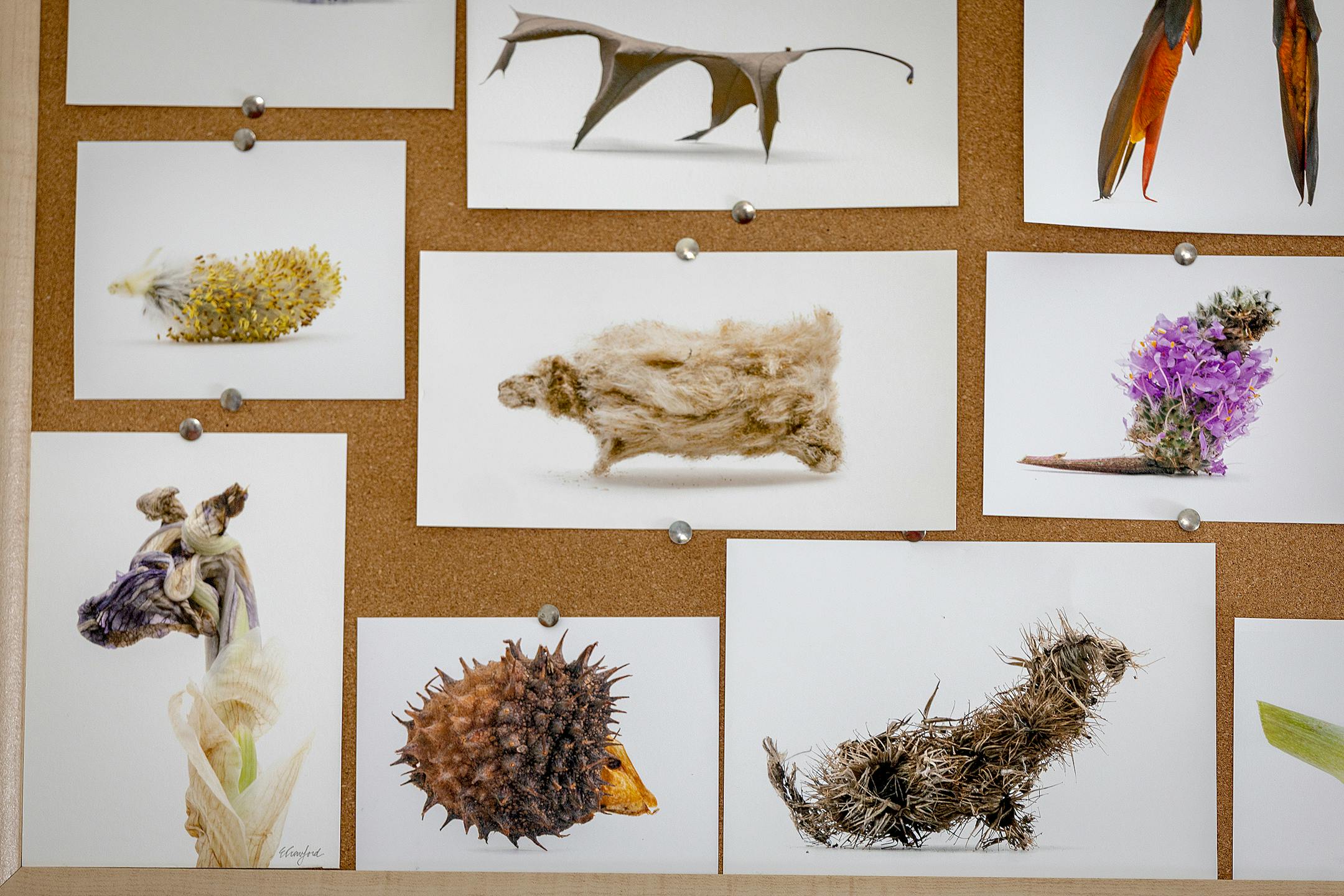
Cards that Crawford hopes to use for children’s books are displayed in her home studio. (Elizabeth Flores/The Minnesota Star Tribune)

How to become happier

Retirement itself — no longer working or spending more time on meaningful activities — can boost happiness. But consistent small practices can do the same.

Focus on relationships: “Earlier in life because we’re busy, we may lose track of friends and family,” Pavot said. “Really work on re-establishing relationships.”

Crawford’s 13-year-old daughter Lila, the only one of four children living at home, is a source of joy. “It’s incredibly rejuvenating — this young energy,” she said.

Increase social interactions: “One of the strongest factors in older adults for unhappiness is loneliness or isolation,” Rosenstein said. A 2024 Gallup poll found 20% of U.S. adults feel lonely. And people living alone tend to be less happy.

Social connections, whether from hobbies or moving to a retirement community, can reduce the risk of many health conditions and boost happiness.

Be kind: Researchers have found that kindness — small acts of caring, such as sharing a meal with a friend who lives alone or mowing your older neighbor’s lawn, can boost happiness for recipients and givers.

“I have found the axiom ‘it’s better to give than receive’ is spot on,” said Nordeen, who coached youth soccer for decades and just finished a 23-year stint as a volunteer firefighter. “When somebody actually invests time and does a project that has no benefit for them whatsoever, they come out with this inner happiness that they did something great for someone.”

Exercise: Whether it’s walking, dancing or playing pickleball, physical activity releases endorphins, or mood-boosting hormones. Exercise also boosts energy and enhances mobility, which correlate to happiness.

Reduce stress: A major cause of many health problems and unhappiness is stress, Rosenstein said. Regularly exercising, sleeping well and practicing meditation can reduce stress.

Stenehjem recommends breathing techniques to calm the mind. “When you slow down your breathing, you literally give a signal to your brain to reset your autonomic nervous system,” which regulates bodily functions like heartbeat and blood pressure, she said.

Be mindful: Mindfulness can reduce stress and boost happiness by training the mind to be in the present and reduce anxiety and negative thoughts.

Crawford likes to stroll through her neighborhood, photographing plants, which she uses in her work.

“When I am more able to focus on what I’m actually doing as opposed to what I imagine I should be doing, then I’m happy,” Crawford said. “I feel intensely satisfied and fulfilled in that moment.”

Mindfulness can include practicing gratitude daily.

“It’s important to have a gratitude practice when you wake up and when you go to sleep,” said Stenehjem, who has autoimmune diseases and Lyme disease. “Every day, I look for things to be grateful for, that are going well. Even if I feel sick, there still are many things going right. Be grateful that the sun is shining or you have shelter or you have a pet.”

Stenehjem sees happiness as the cultivation a “lifestyle state of mind — contentment, peace, acceptance — that can carry you through struggles in life, including illness,” she said. “You also don’t want to feel pressure that you have to be positive and joyful all the time. That’s not necessarily the goal. The goal is to find a place of peace or acceptance.”

about the writer

about the writer

Sheryl Jean

More from The Good Life

See More
card image
card image