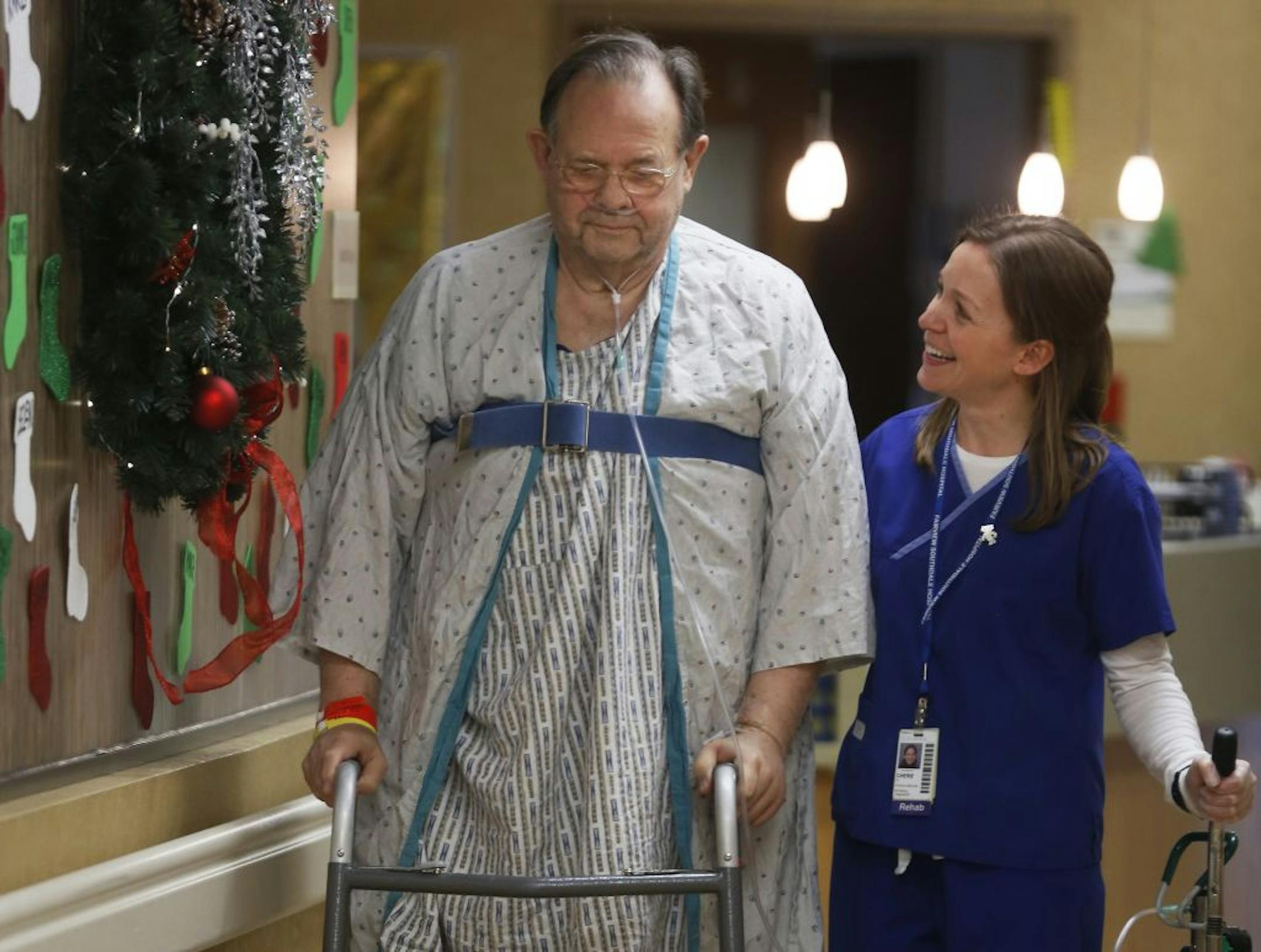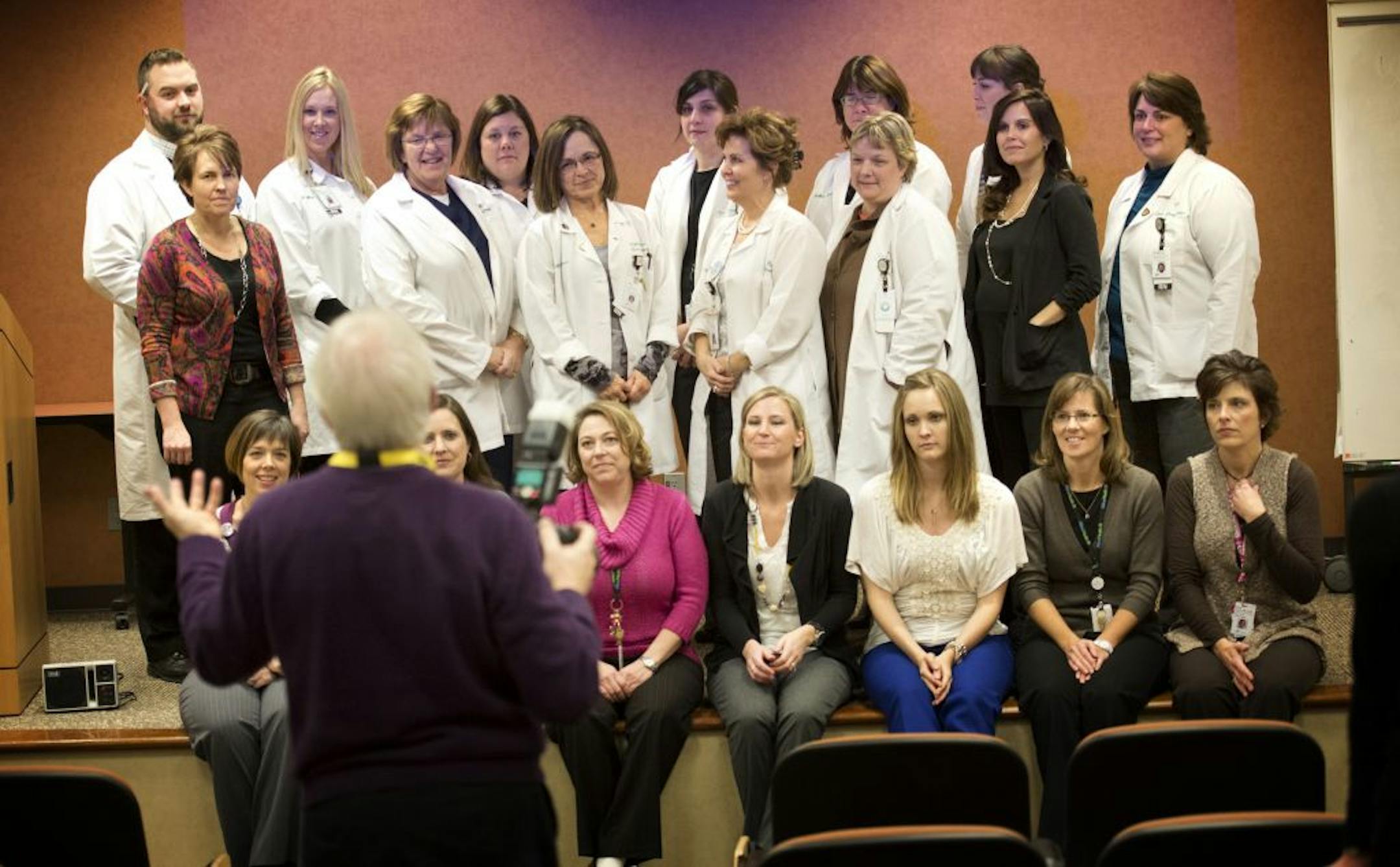
Minnesota's hospitals and clinics are on a hiring spree, and they're not just looking for the usual MDs and RNs.
New demand for data analysts and specialists who steer patients through the system has helped make health care the strongest engine driving Minnesota's jobs recovery. That's on top of a growing need for doctors and nurses as baby boomers hit their retirement years.
"We have a shortage of health care providers in the state of Minnesota," said Laura Beeth, system director for talent management at Fairview Health Services. "We have not slowed down in the last two years at all."
When manufacturers and other companies started cutting people during the Great Recession, health care providers kept hiring.
Since February 2008, the high point for Minnesota's job market before the downturn, medical providers have added 39,000 jobs, according to the latest state data. By comparison, the state lost 39,000 manufacturing jobs over the same period.
Jobs in health care -- not including work at health insurance companies -- have gone from 9.7 percent of all Minnesota jobs in 1990 to 15.5 percent today. If the current trajectory holds, one in five Minnesotans will work in the field by 2032.
"We've got a population that's aging, that consumes more health care," said David Heupel, an analyst for Thrivent Financial. "In general that's been a tailwind that we'll continue to see for quite some time."
Health providers are hiring new kinds of workers, such as data analysts and care coordinators, both to comply with the federal health care overhaul and to better understand their customers.